

How can we manage mimosa stumps and resprouts?
Started 1y. Edited 10moStarted almost 2 years ago. Last edit 11 months ago



Landscape
Completed
Landscape
More Information


%20--%3e%3csvg%20version='1.1'%20id='Layer_1'%20xmlns='http://www.w3.org/2000/svg'%20xmlns:xlink='http://www.w3.org/1999/xlink'%20x='0px'%20y='0px'%20viewBox='0%200%2064%2063'%20style='enable-background:new%200%200%2064%2063;'%20xml:space='preserve'%3e%3cstyle%20type='text/css'%3e%20.st0{fill:%23231F20;}%20%3c/style%3e%3cdesc%3eCreated%20with%20Sketch.%3c/desc%3e%3cg%20id='Page-1'%3e%3cg%20id='OA-Logo-Black-Background'%3e%3cpath%20id='Shape'%20class='st0'%20d='M14.1,30.1c-1.5-0.8-8.6-3.8-14.1-7.8c1.8-3.4,3.1-5.6,5-9.1c2.7,1.1,1.9,0.5,4.6,1.7%20c0.8,0.4,10.1,4.5,13.8,6.2c2.4,1.1,4.7,2.2,7,3.3L43,30.5l8.1,3.9c4,2,7.2,3.5,11.3,5.5c0.5,0.3-3.7,9.4-3.7,9.4%20c-1.7-0.6-3.9-1.8-5.5-2.5c-4.7-2.1-9-3.9-13.7-6c-4-1.8-6.7-2.9-10.8-4.5C25,34.9,17.1,31.6,14.1,30.1z'/%3e%3cpath%20id='Shape_1_'%20class='st0'%20d='M12.1,54.9c-0.8,0.6-1.6,1.2-2.5,1.6c-0.4-0.5-0.9-1-1.3-1.5c-0.3-1.2-2.3-4.9-2.7-6.2%20c-0.1-0.4-0.7-2.2-0.8-2.6c0,0,5-3.4,8.2-5.9c3.2-2.6,6.2-5,9.3-7.5c1.4-1.1,3.9-2.5,5.3-3.5c2.5-1.7,13-9.1,15.6-10.5%20c5.4-3.3,11.1-6.3,16.8-9c1.7,3.5,1.8,3,3.8,6.9c0,0-17.8,13.5-22.7,17.1c-3.8,2.8-7.5,5.7-11.3,8.5c-1.7,1.3-3.5,2.4-5.2,3.7'/%3e%3cpath%20id='Shape_2_'%20class='st0'%20d='M20.8,2.9l-0.2-0.8C25,0,31.2-0.3,31.4,0.2c0.4,1.1,0.9,2.2,1.2,3.4c1.4,4.4,2.7,8.7,4,13.1%20c0.4,1.4,2.8,10,2.9,10.5c0.5,2.8,1.2,5.6,1.6,8.4c0.8,4.7,1.4,8.6,2.3,13.3c0.6,3.1,1.3,6.3,2.3,11.3c0,0-5.8,1.4-7.5,1.8%20c-0.8,0.2-1.5,0.4-2.4,0.6c-0.3-1.1-0.2-1.2-0.5-2.1c-0.9-3.7-1.8-7.3-2.6-11c-1.5-6.4-3-12.9-4.4-19.3%20c-1.2-5.4-2.6-10.7-4.4-15.9c-1-3.1-1.8-6.3-2.7-9.5C21.1,3.8,21,3.8,20.8,2.9z'/%3e%3c/g%3e%3c/g%3e%3c/svg%3e)


1
What is the current method?
Published 1yPublished almost 2 years ago

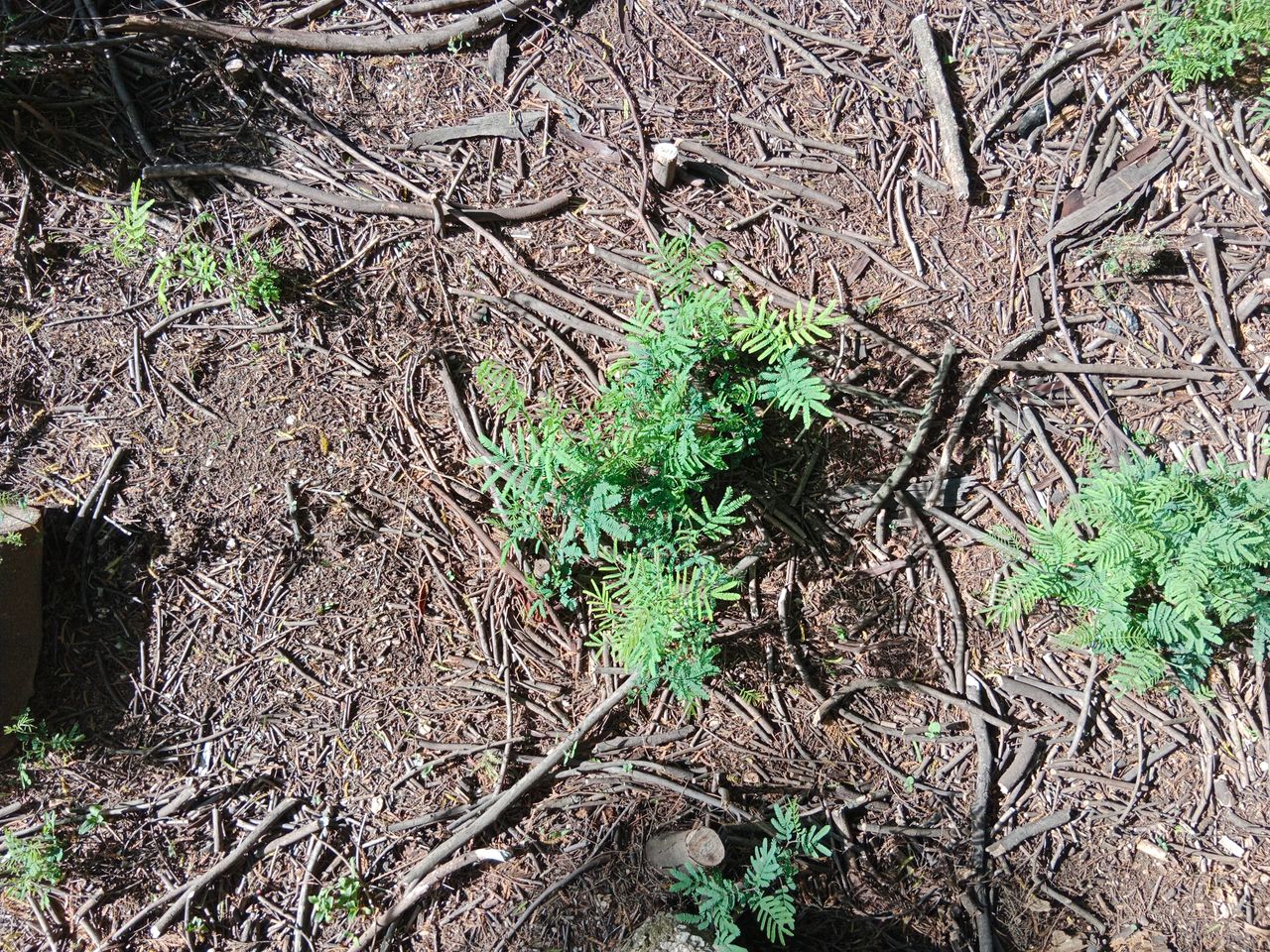
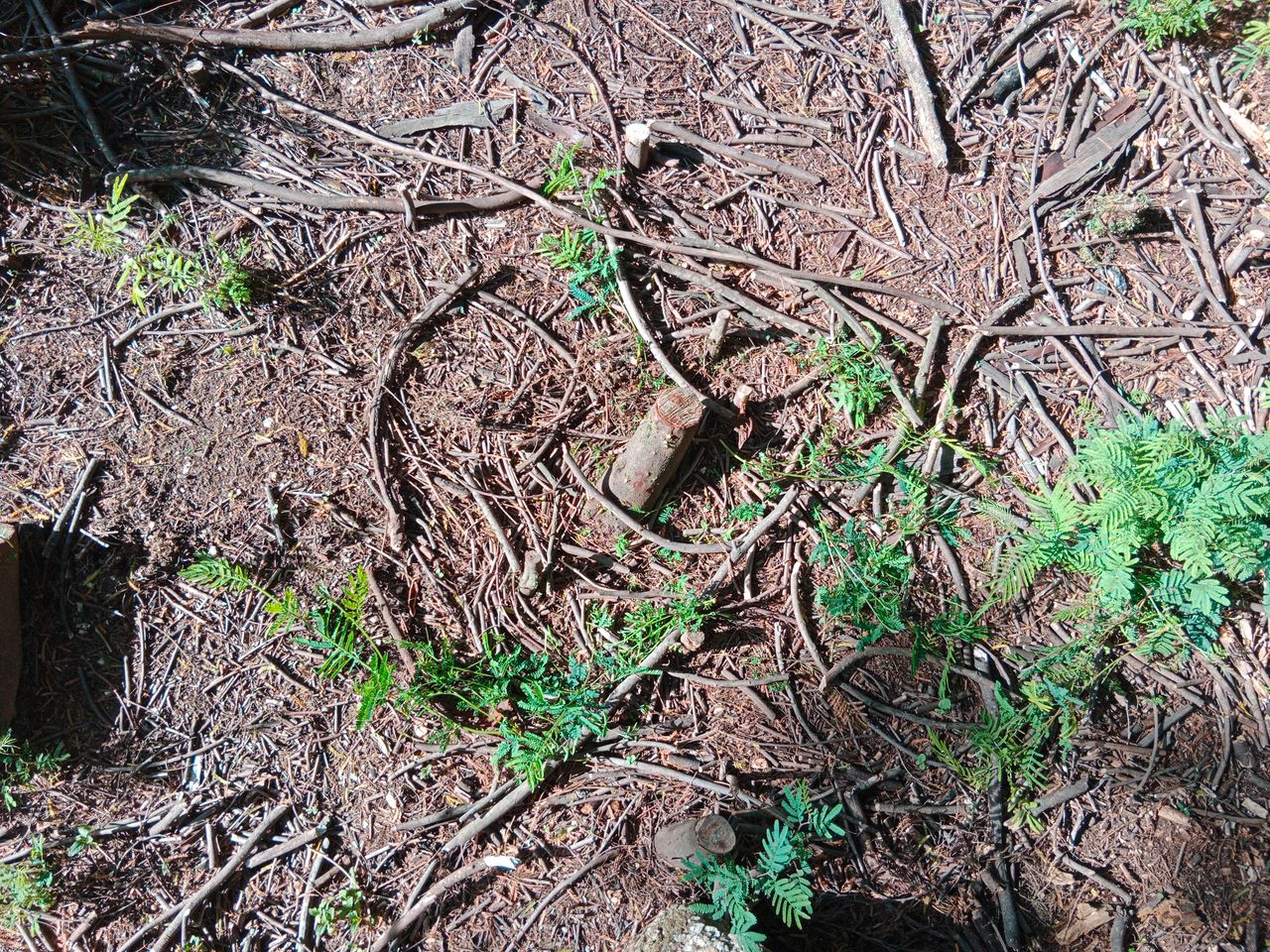
The current method consists of cutting the mimosa we want to remove low to the ground and leaving the stumps. When the stumps inevitably resprout, we remove the new shoots by hand or with a brush cutter. Unfortunately, with so many mimosas cut this season as well as in previous seasons, this involves quite a bit of labor and attention and often resprouts have the opportunity to grow back. Also, this method then has to be repeated multiple times before the tree dies.
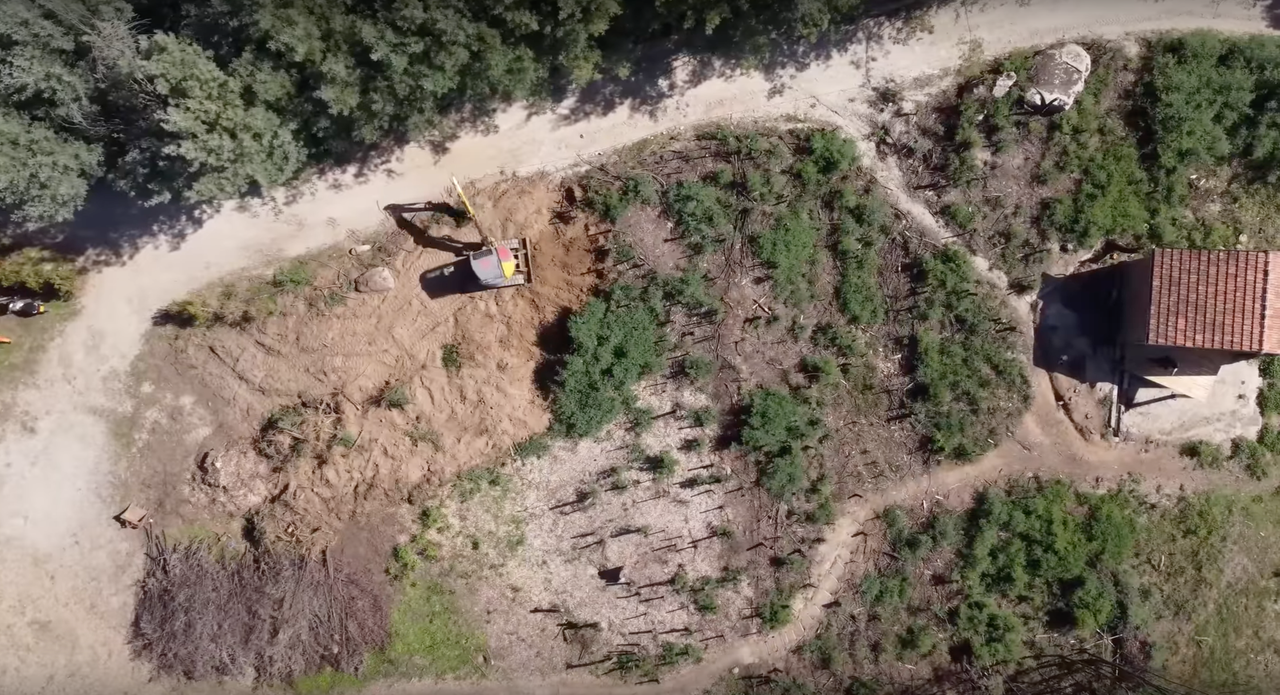
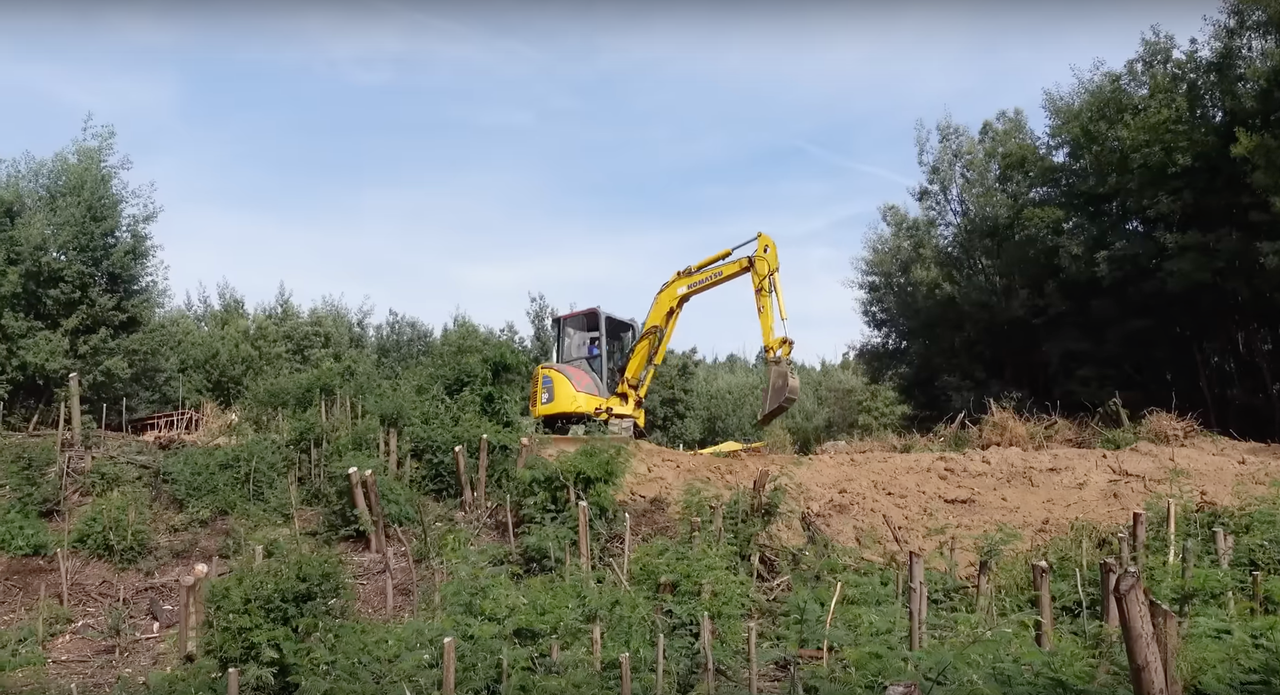
In season 3, we trialed using a digger to dig up cut stumps in one test area. This worked well with removing the stumps completely however it disturbs the soil quite a lot and is only viable in large accessible areas where all the mimosa are being removed.
2
What other methods could we use?
Published 1yPublished almost 2 years ago
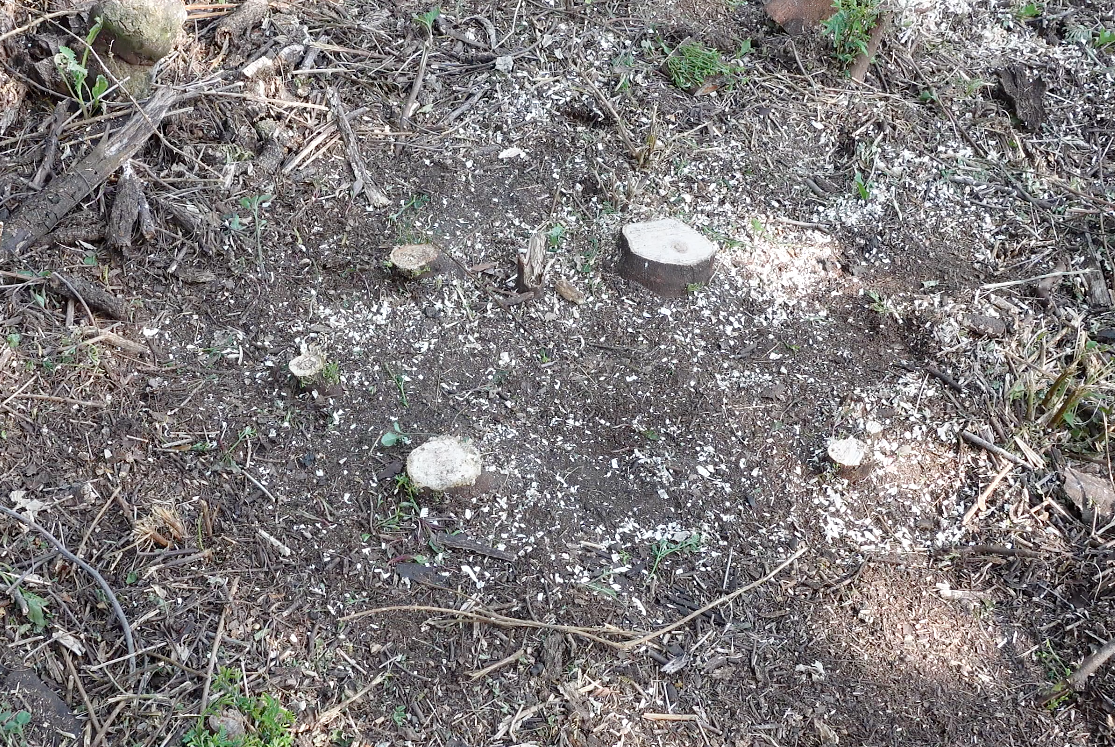
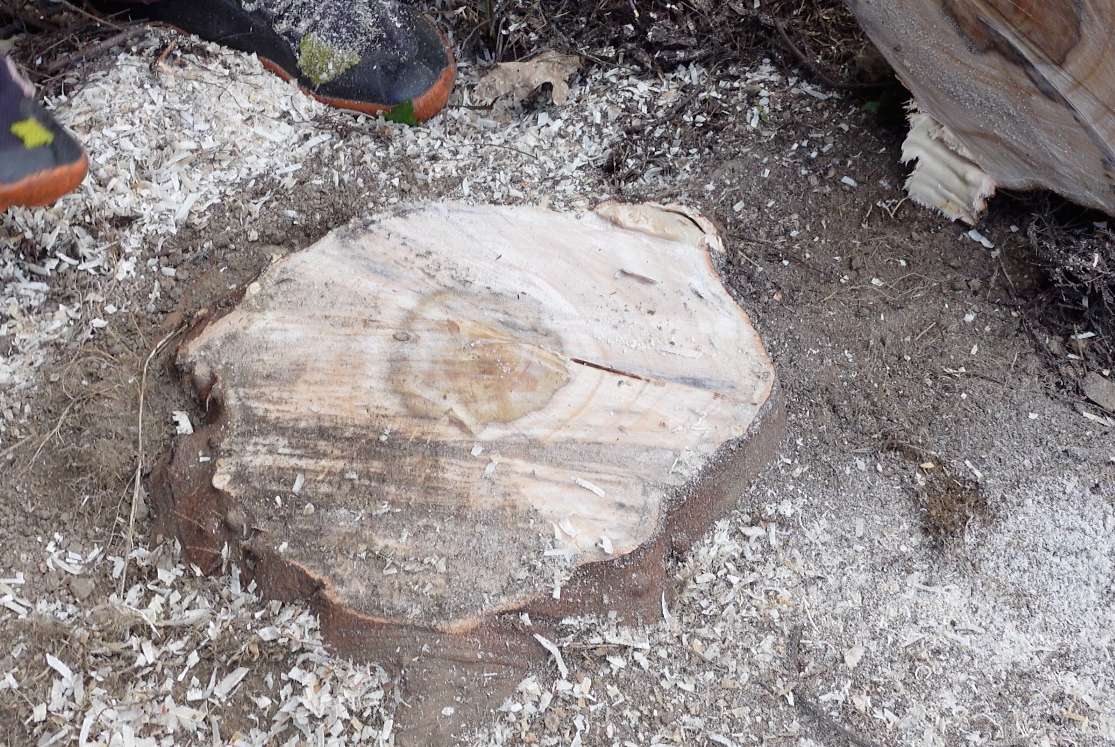
After doing some research and brainstorming, we decided on 5 methods we would like to try that could stop mimosas resprouting. These methods are Epsom salts with and without a tarp to cover, just a tarp, woodchip mulch, and wool mulch. We chose these methods because they included materials which were easily accessible, they are fairly low maintenance, and more environmentally friendly than methods such as chemical herbicides. We then devised an experiment which would involve testing each of these methods on a small scale to get an idea of how they work and how effective they are. We wanted to see how they interact with different sizes of stumps, so part of the experiment will be conducted on smaller clusters of stumps and part on single very large stumps.
3
Preparing the experiment space
Published 1y. Edited 1yPublished almost 2 years ago. Last edit almost 2 years ago
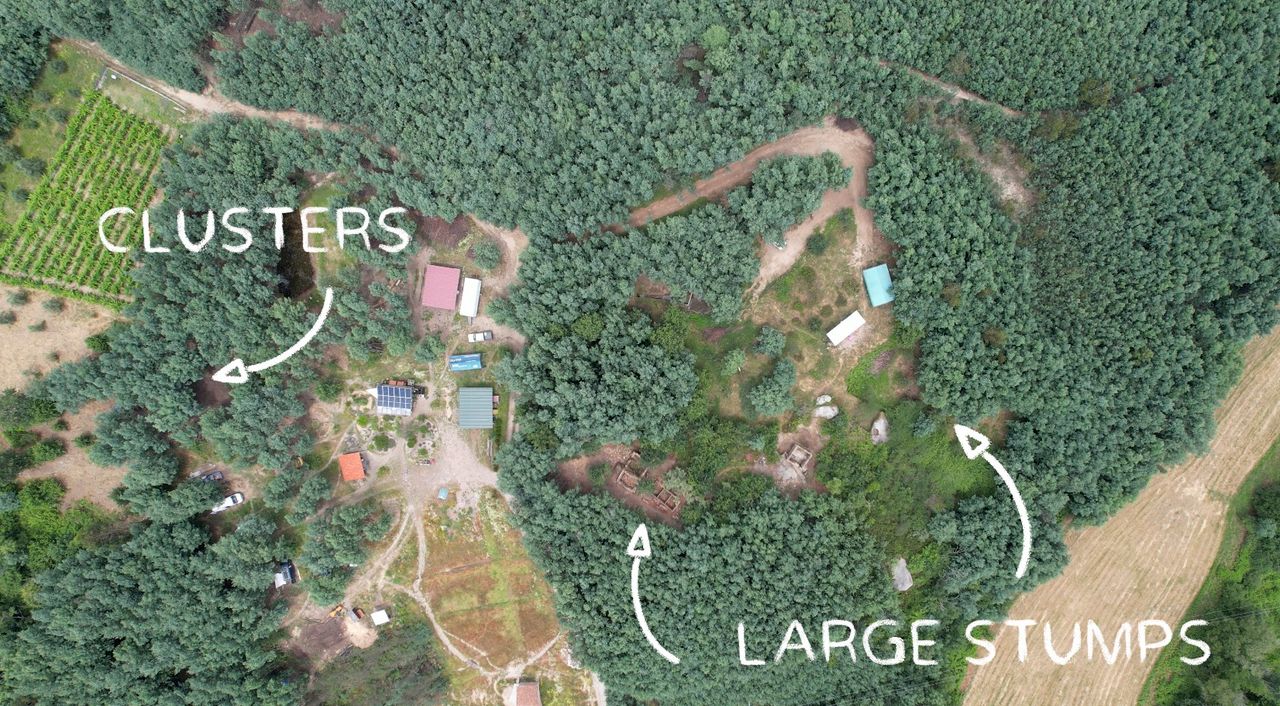
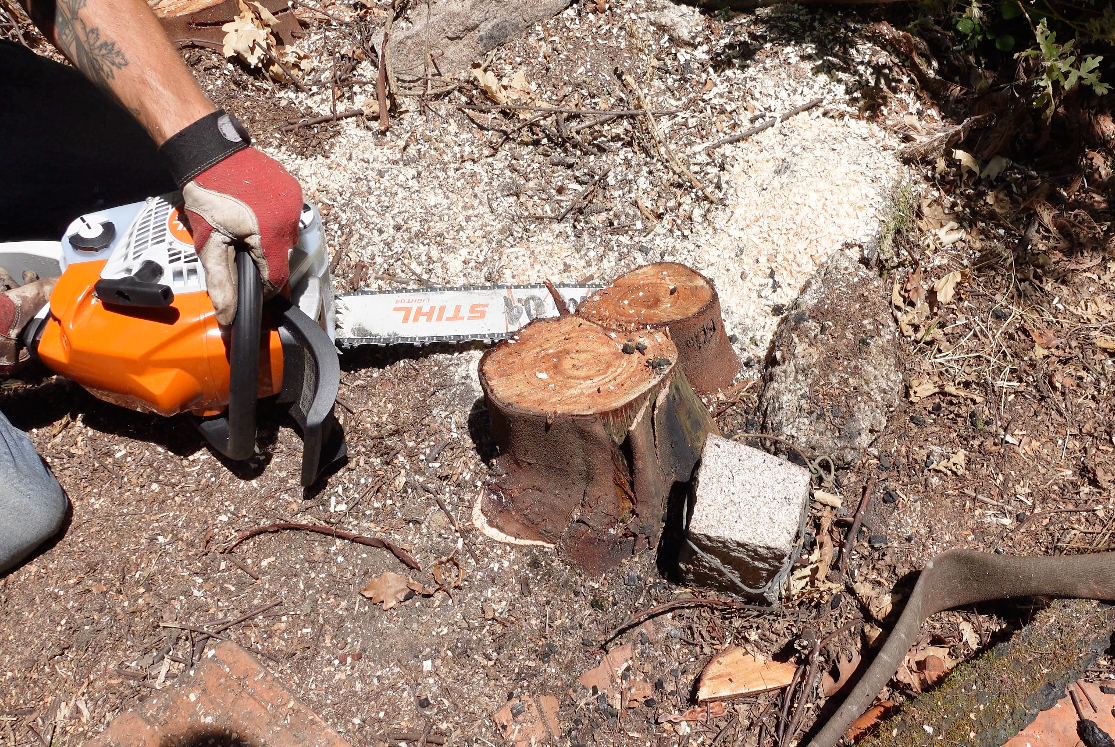
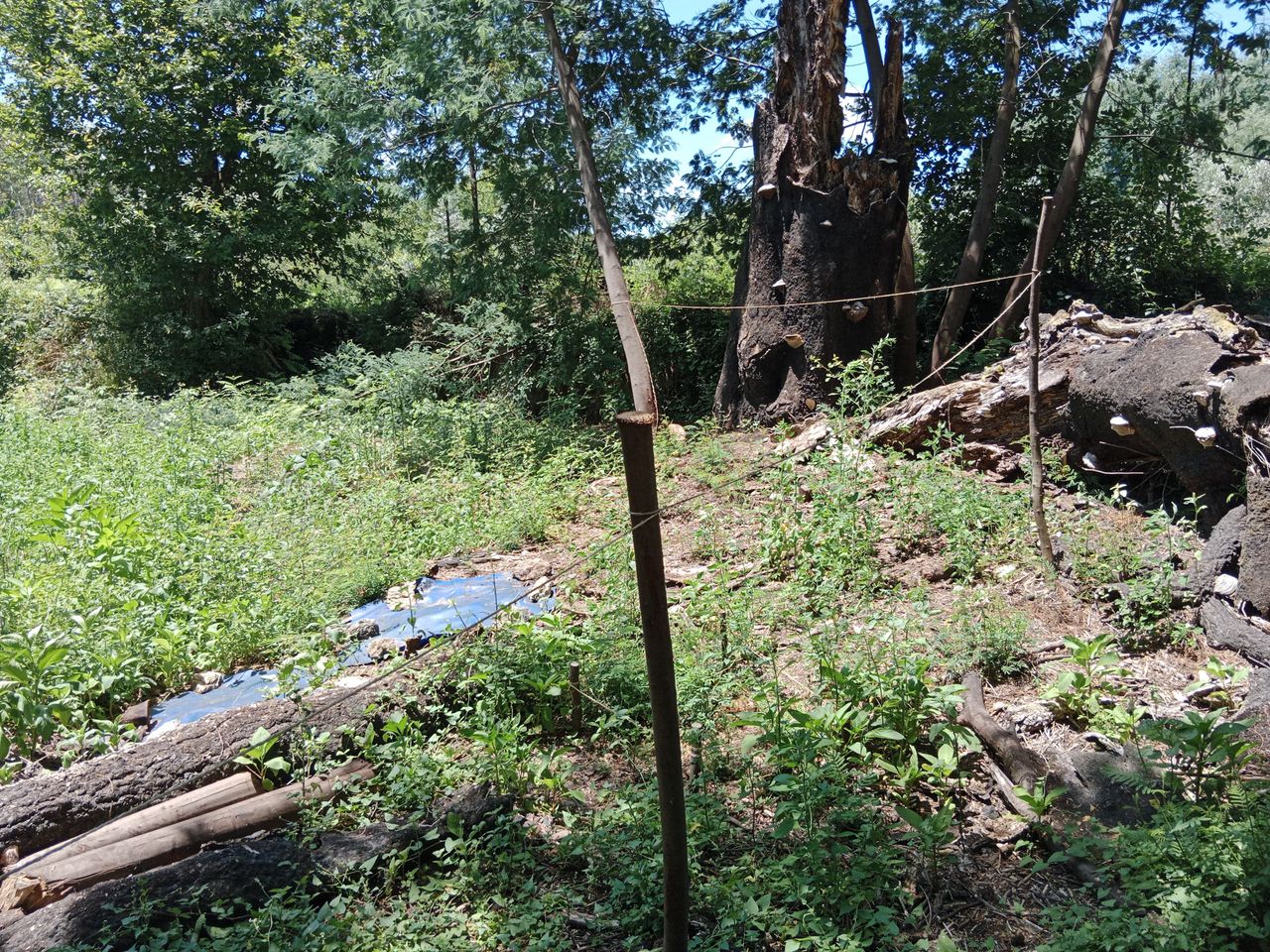
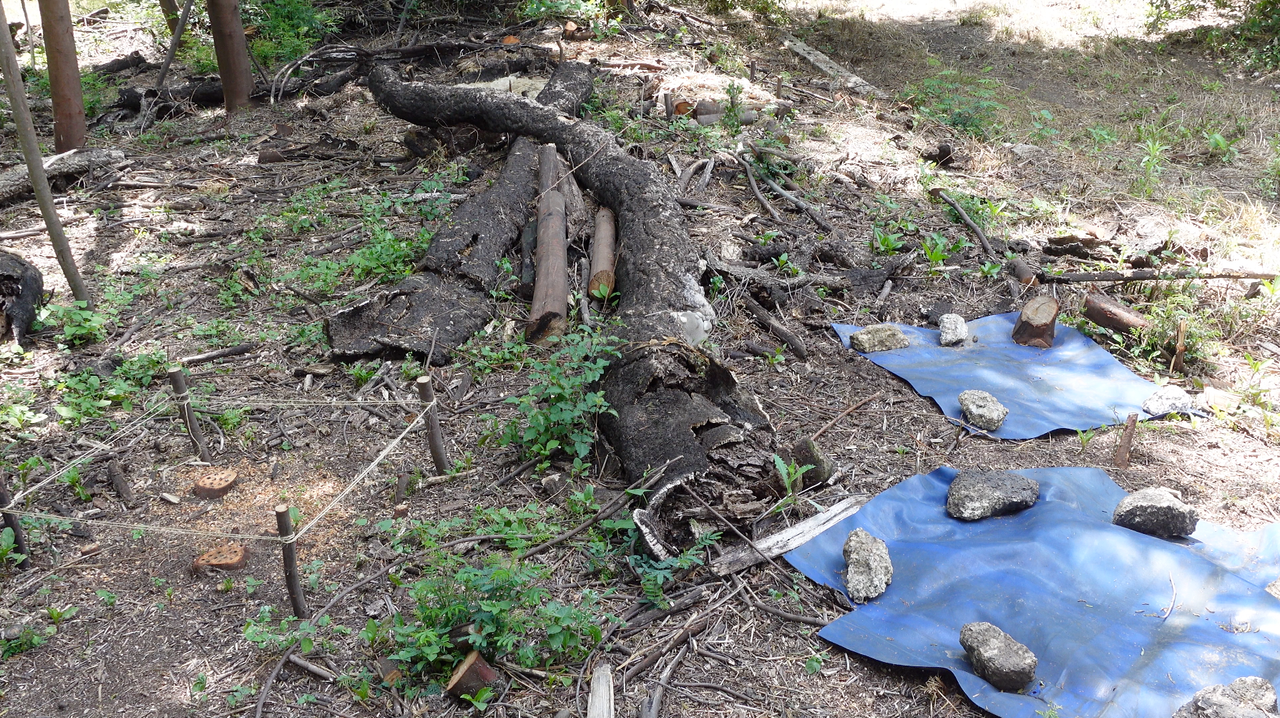
For the small stumps we decided to use an area where multiple clusters were next to each other. This was in an area far enough from our current living space that it would be out of the way, but close enough that the experiment could be maintained and monitored easily. We prepared the stumps by cutting them as low to the ground as we could and roped off the area to hopefully keep the experiment as undisturbed as possible.
For the larger stumps we chose two areas closer to the middle of our land which had suitably sized stumps fairly close to one another and in an area that has very little foot traffic (so there was no need to rope it off).
4
Epsom salts method
Published 1y. Edited 1yPublished almost 2 years ago. Last edit almost 2 years ago
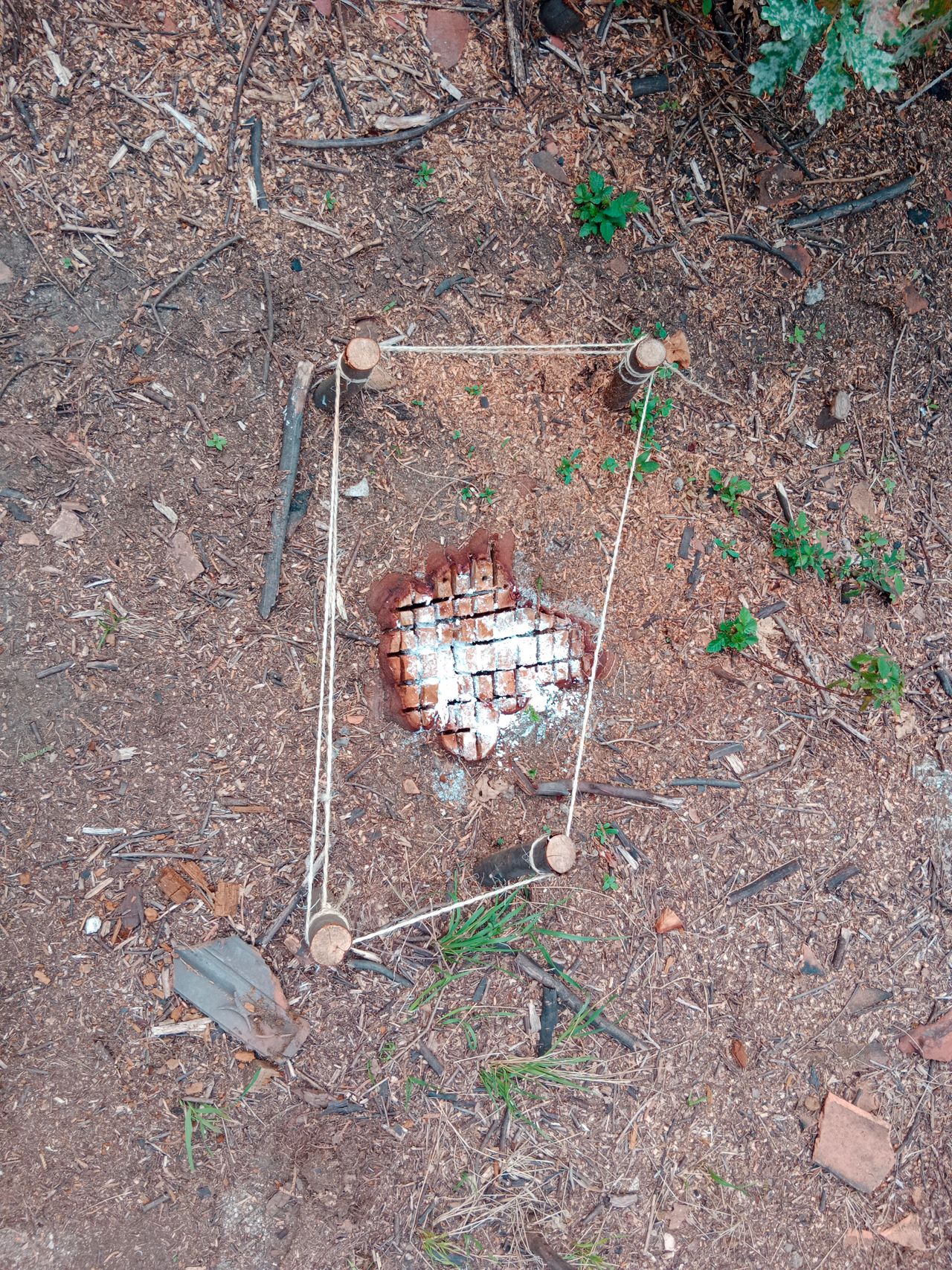
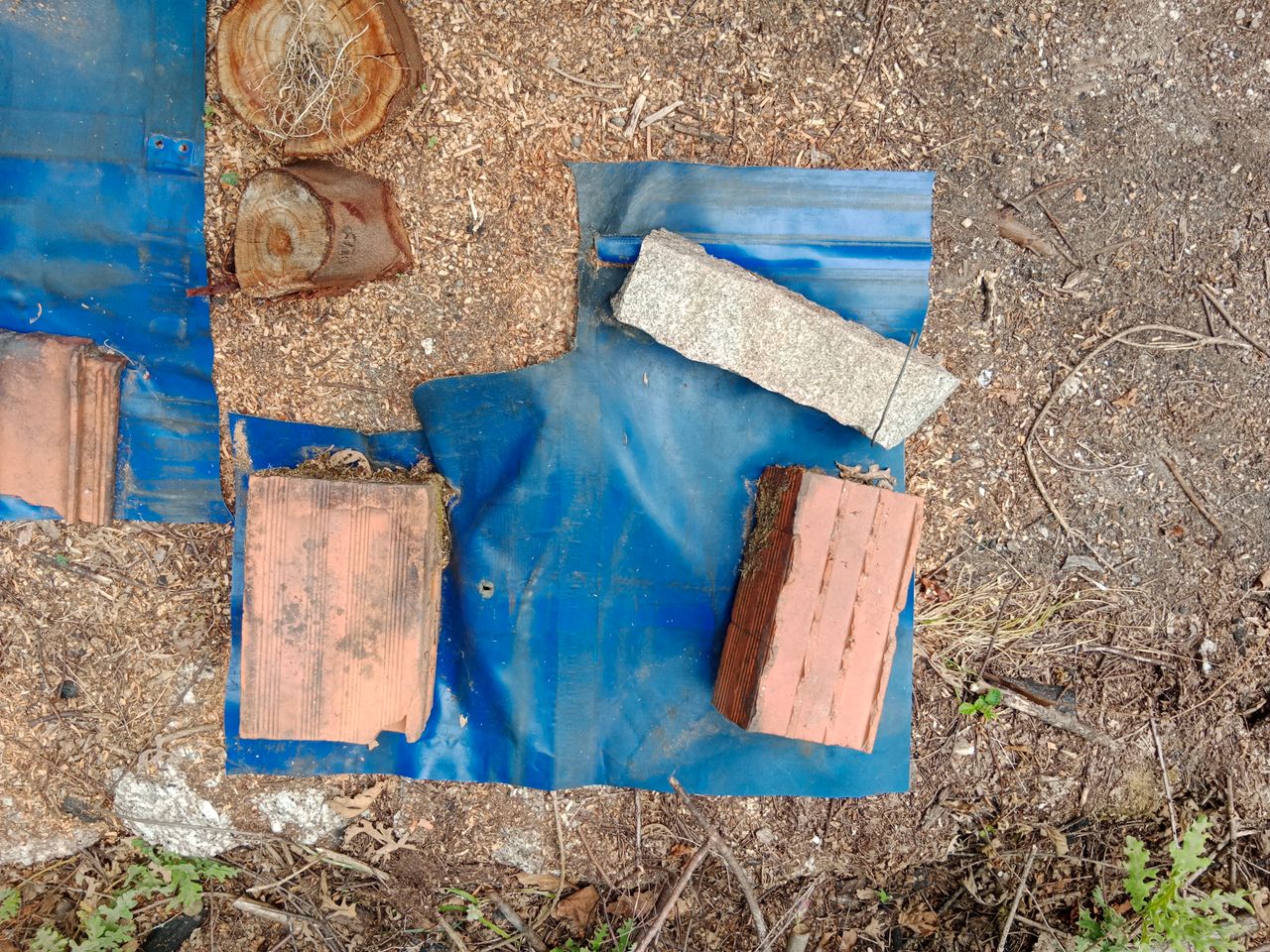
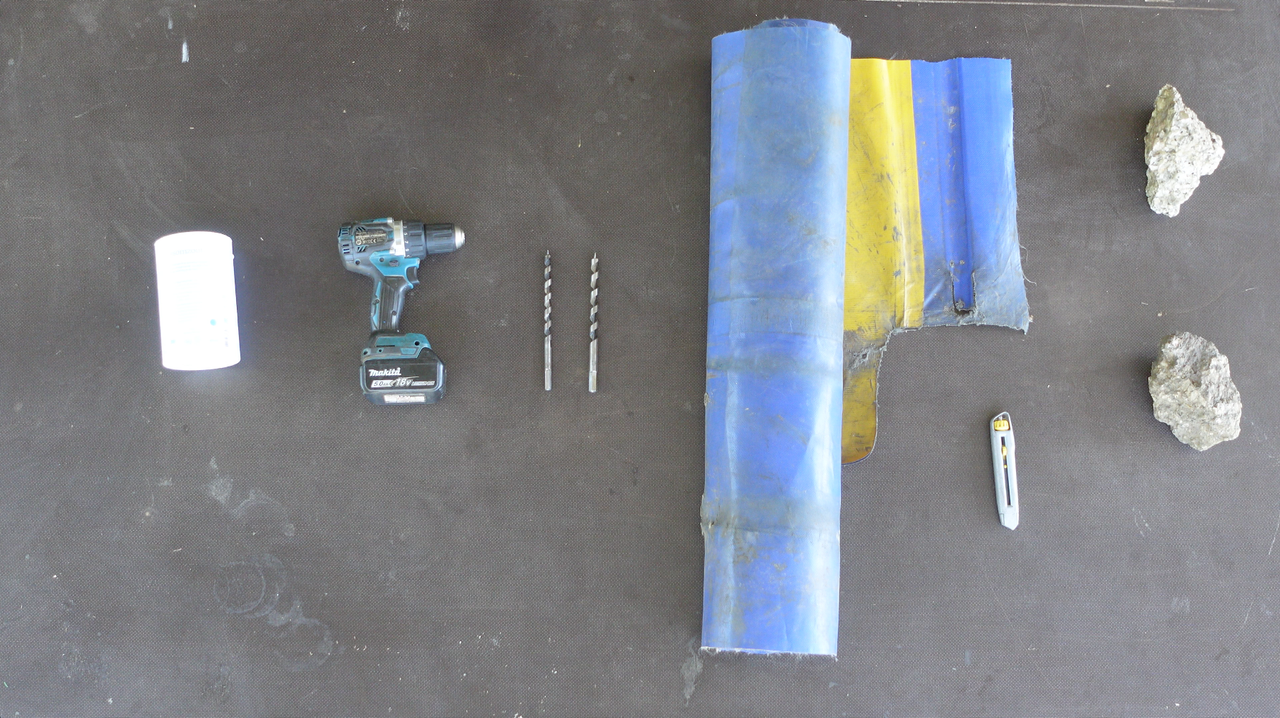
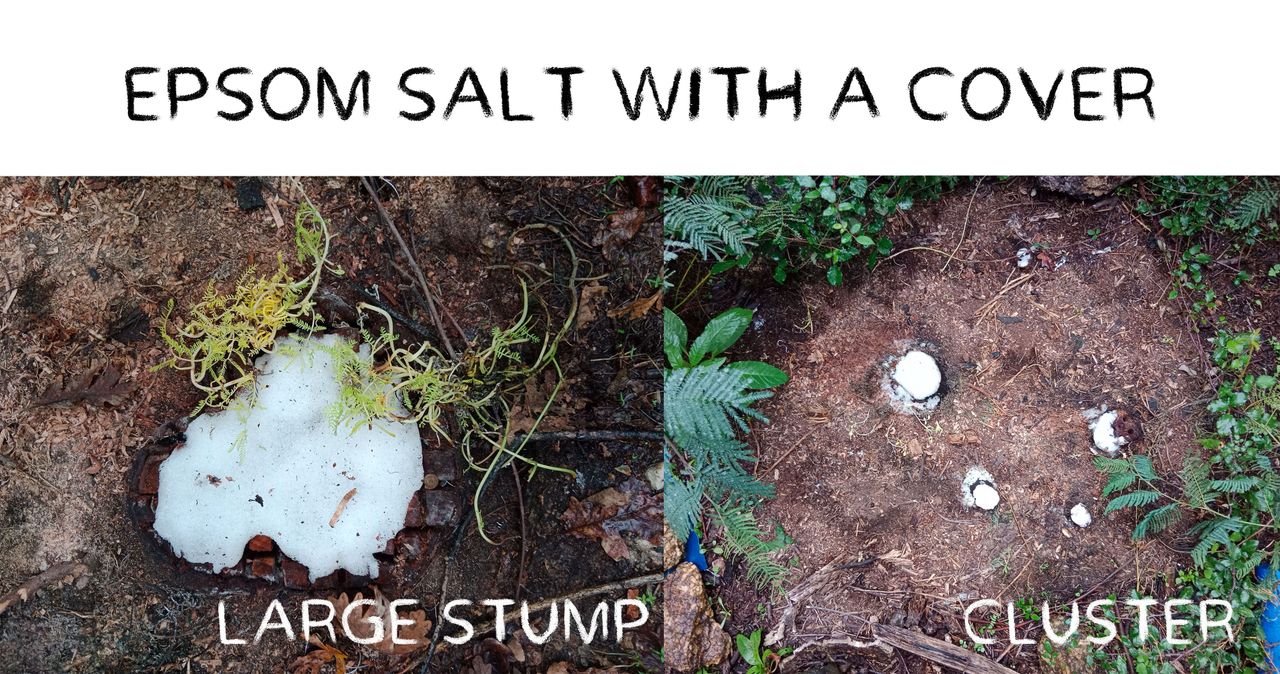
This method involves drilling or cutting into stumps and then filling the holes/grooves with Epsom salt. Epsom salt is made up of magnesium and sulfur which most plants need to grow, however concentrated amounts can result in the plant dying and decomposition of the stump being accelerated. This is probably the most aggressive method but as Epsom salts are naturally derived, it is still less harsh than chemical herbicides. We decided to try leaving the stump exposed and covering it with a tarp because sources recommended both and we were not sure which method best suited the environmental conditions in our area. This method requires reapplication of the salts, potentially multiple times before it dies. Upon trying the drilling method on the smaller stumps, we found it was difficult with the tools we had available. It was much more labor intensive than expected so on the large stumps, we cut deep grooves into the stump with a chainsaw instead and found this method to be more efficient.
5
Tarp method
Published 1yPublished almost 2 years ago
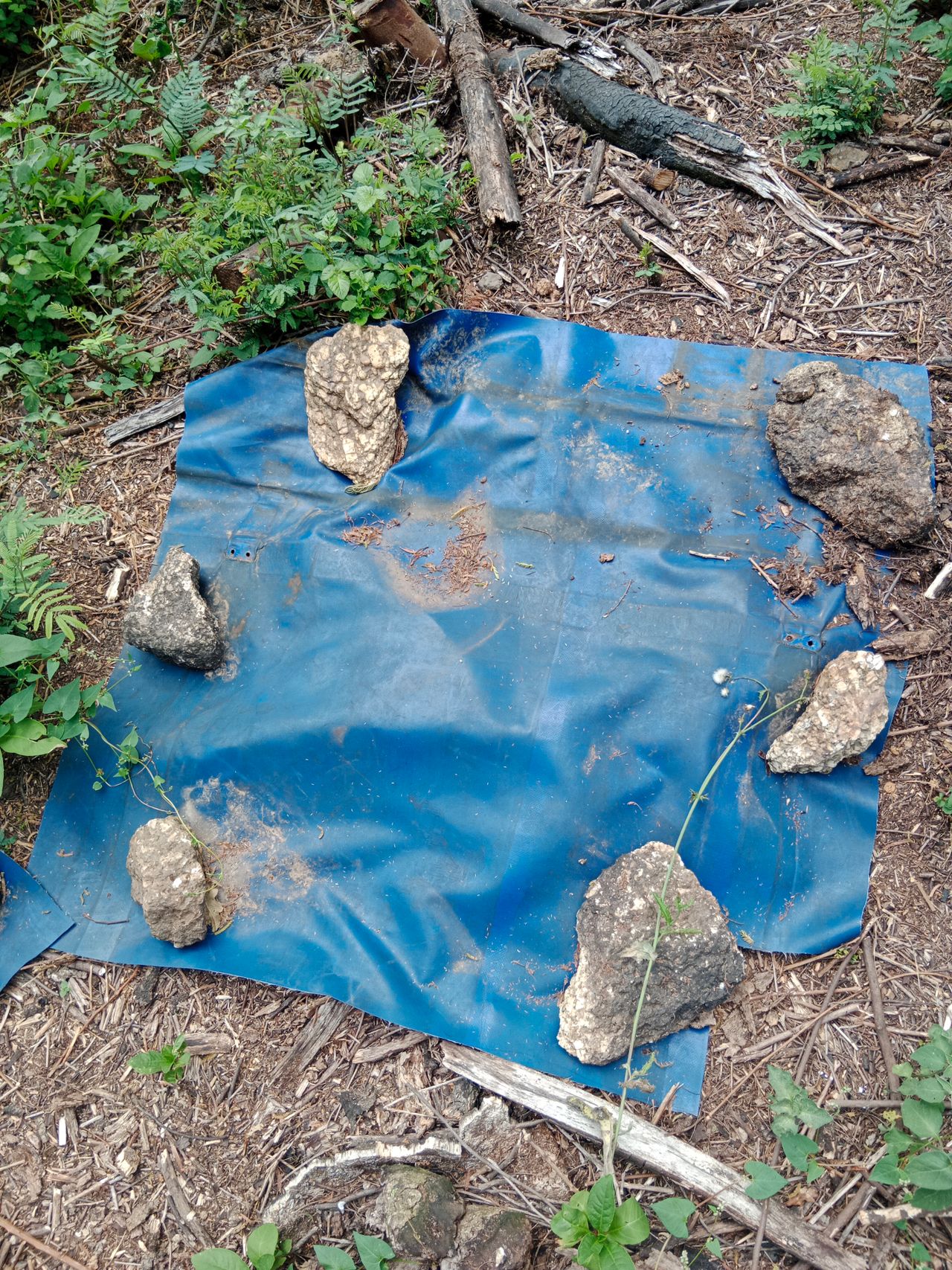
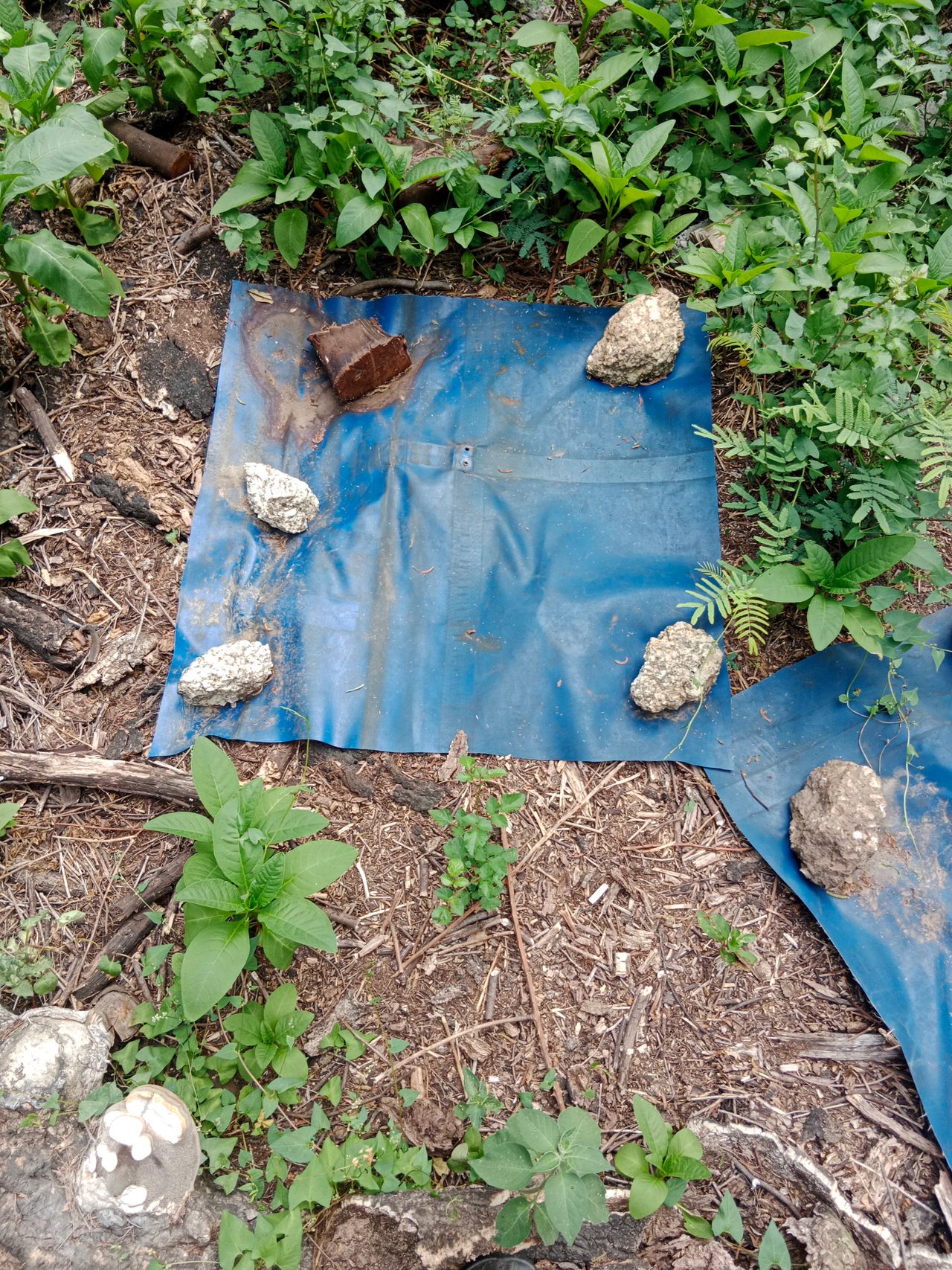
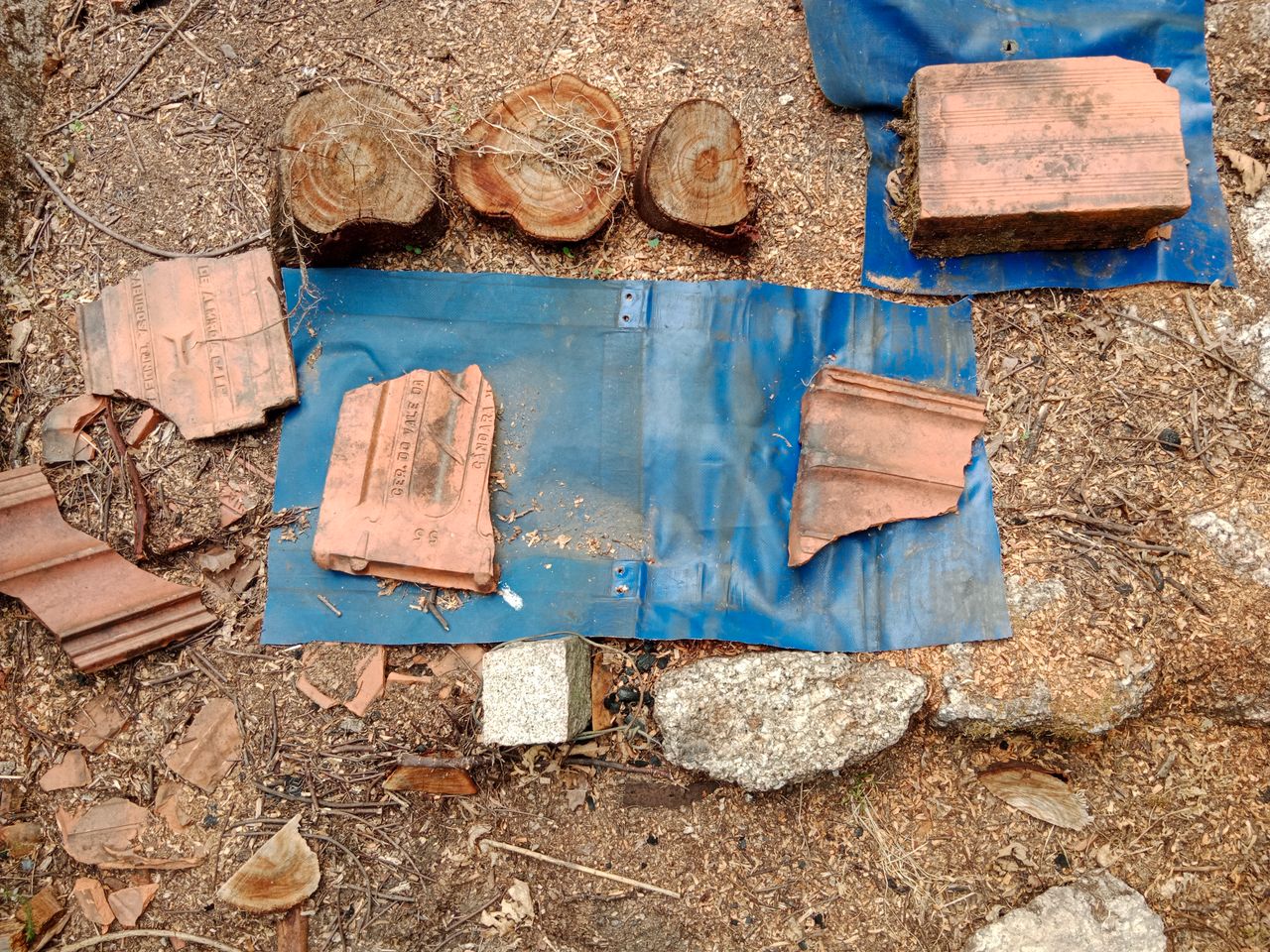
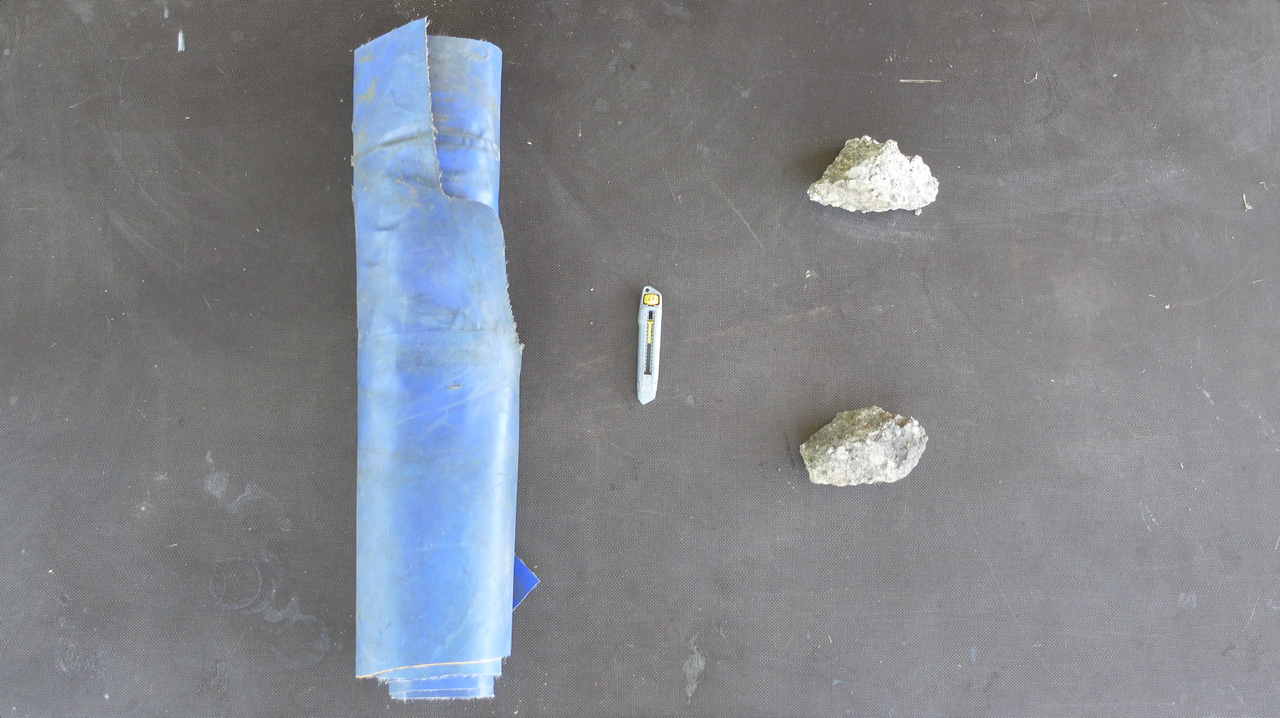
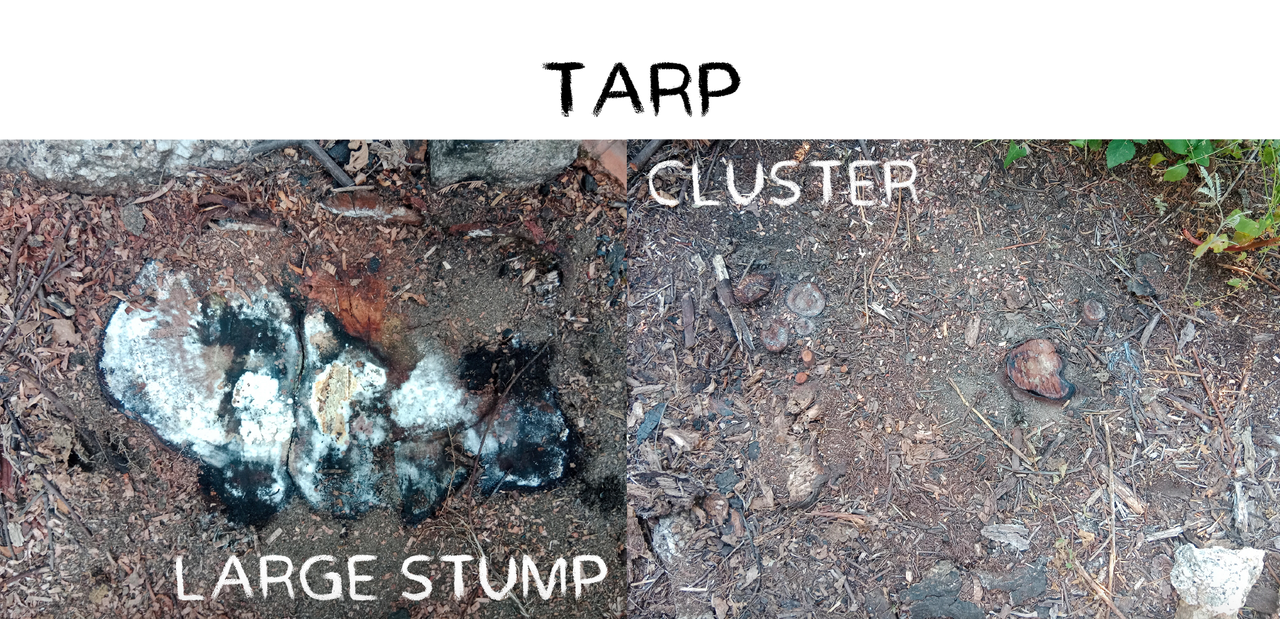
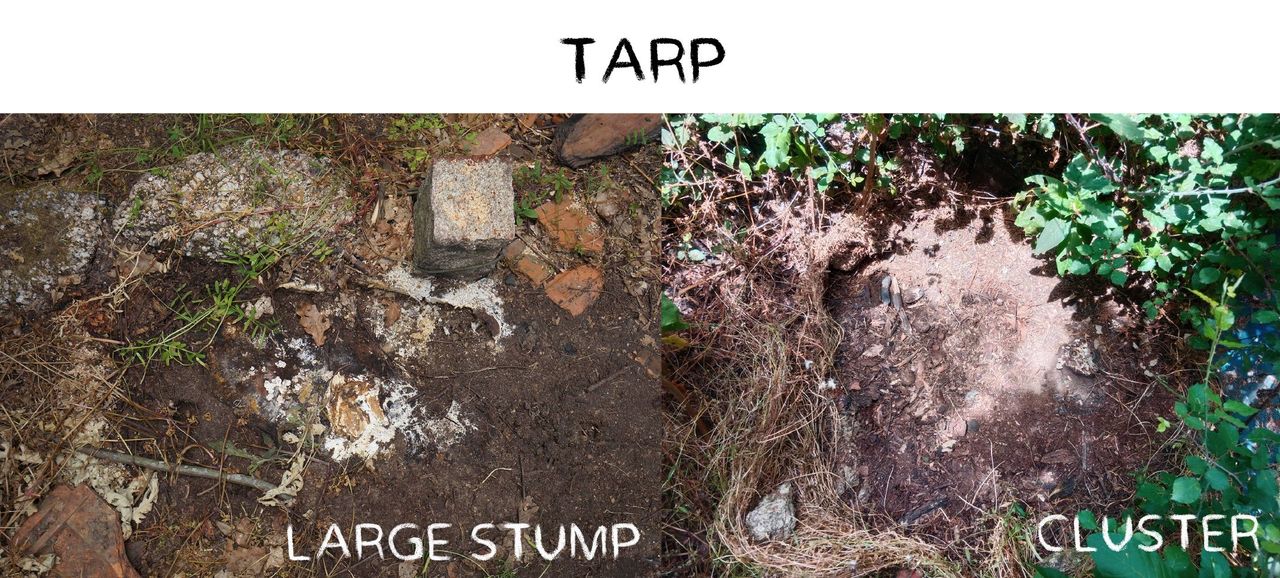
This method involves simply covering the stumps with a tarp and leaving it. The idea behind this method is the tarp blocks all light from reaching the stump which will hopefully discourage resprouting. It also creates a moist environment which will potentially promote decomposition of the stump. In this method and the covered Epsom salt method above, we used repurposed truck cover material left over from a previous project and secured the pieces of tarp with heavy rocks on the corners.
6
Woodchip mulch method
Published 1yPublished almost 2 years ago
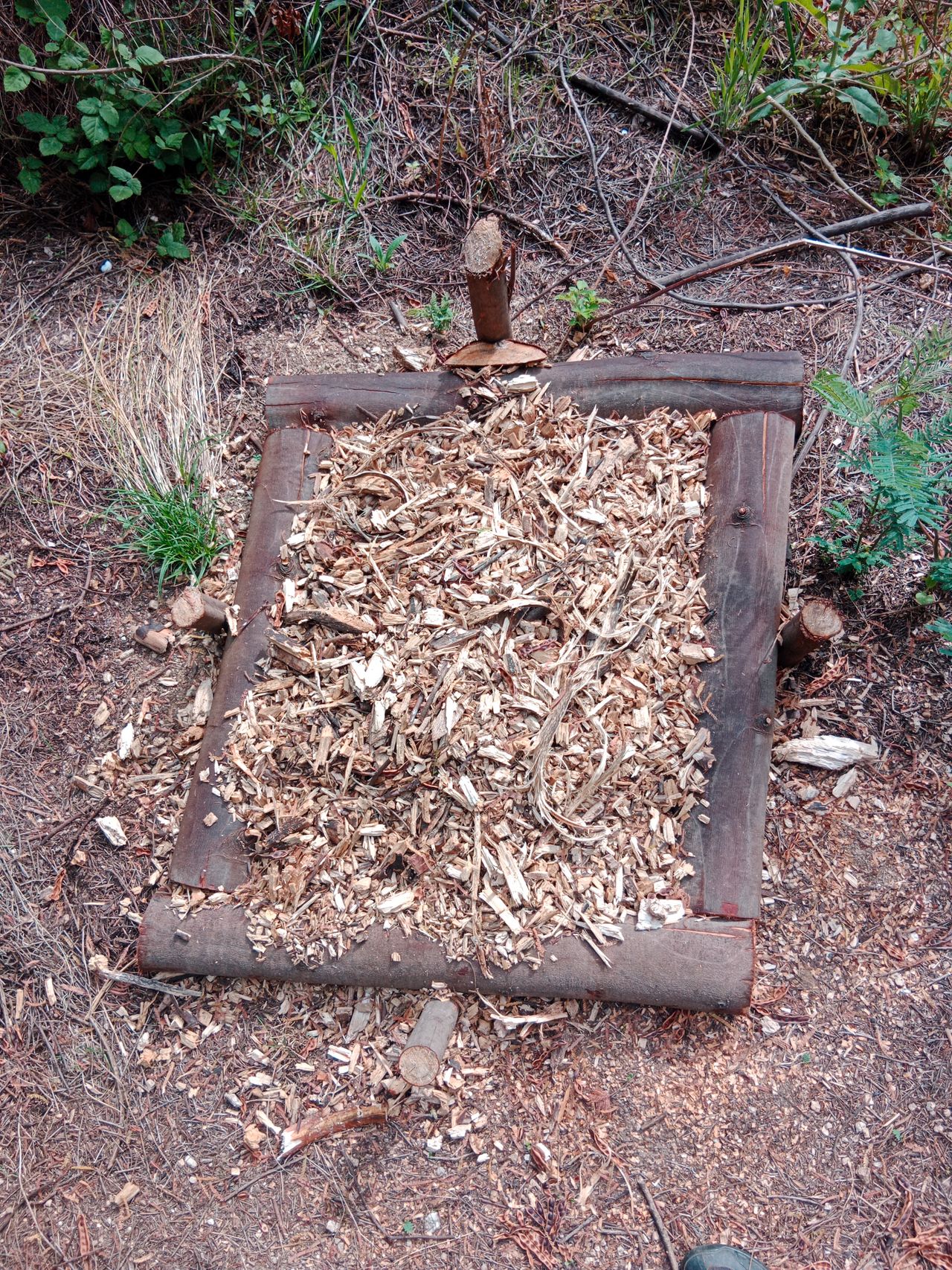
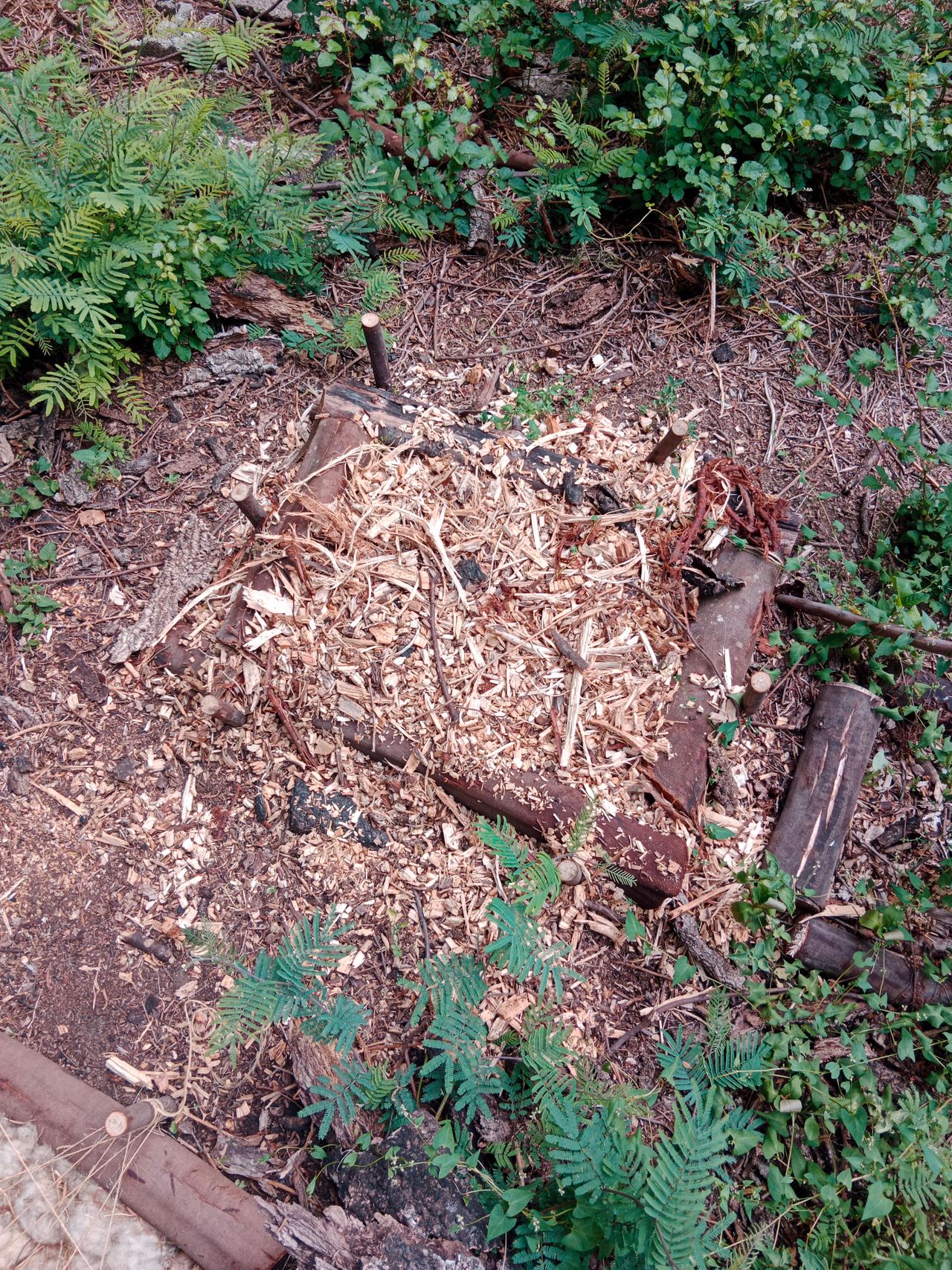
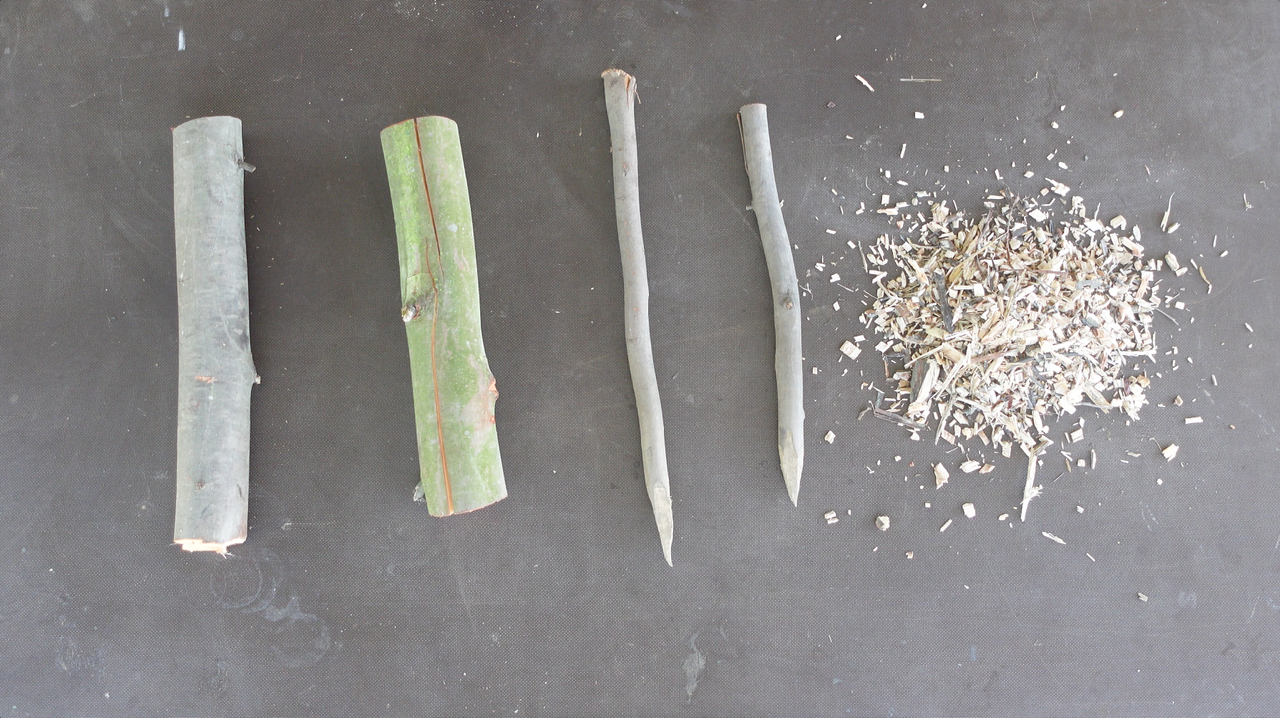
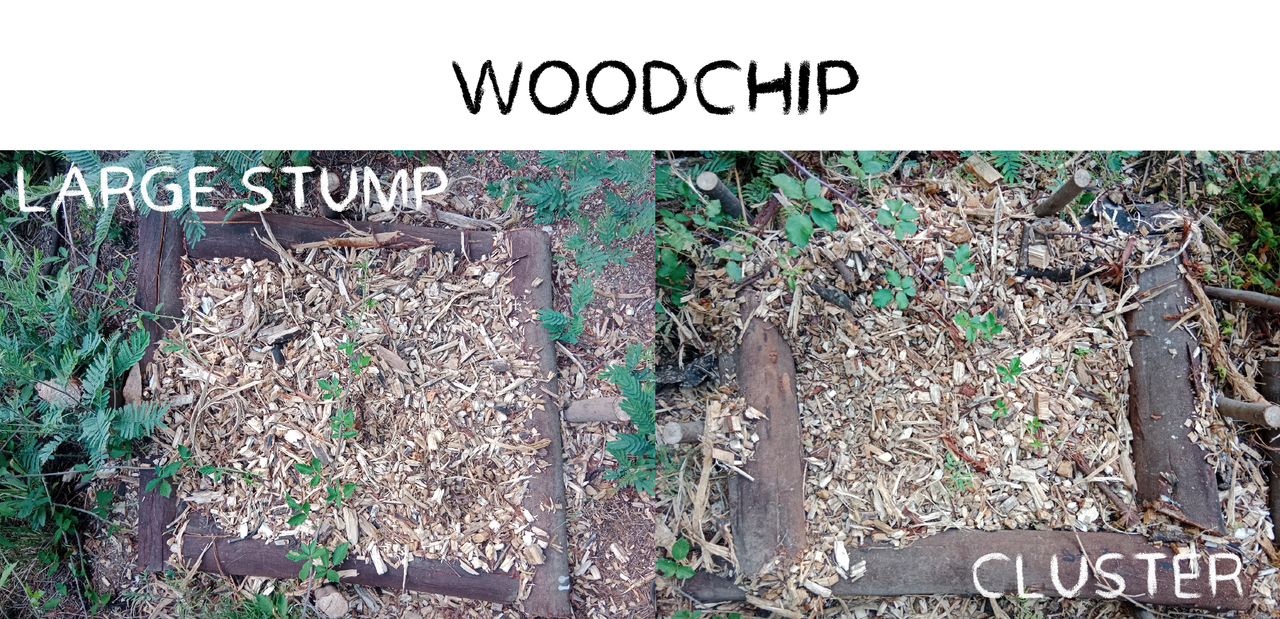
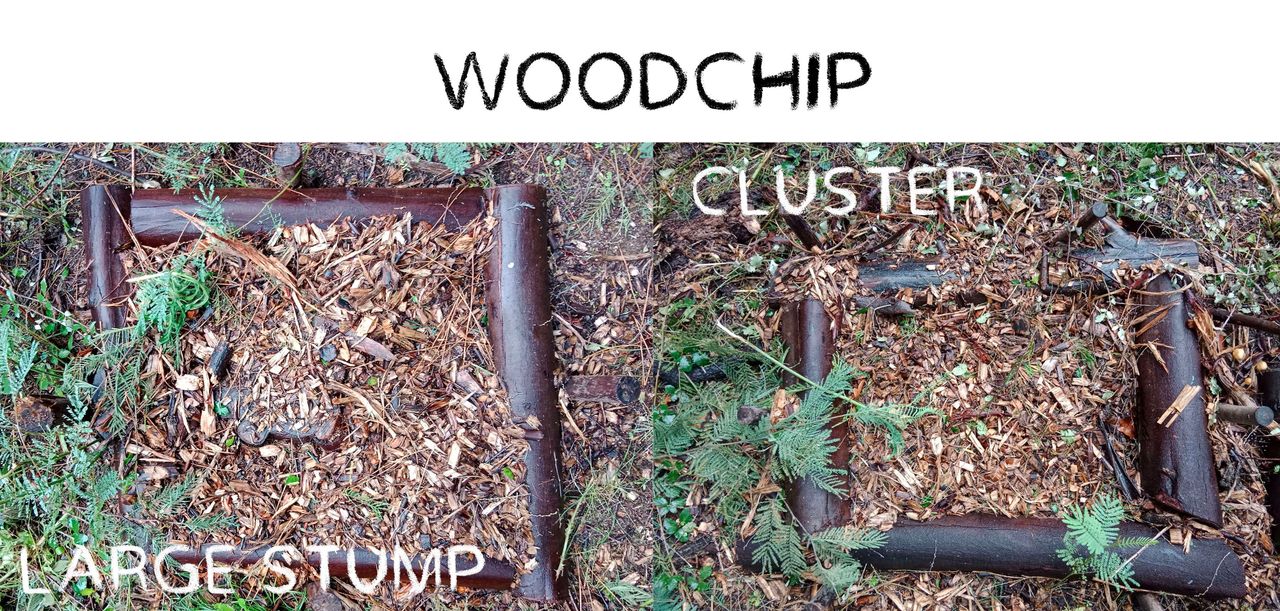
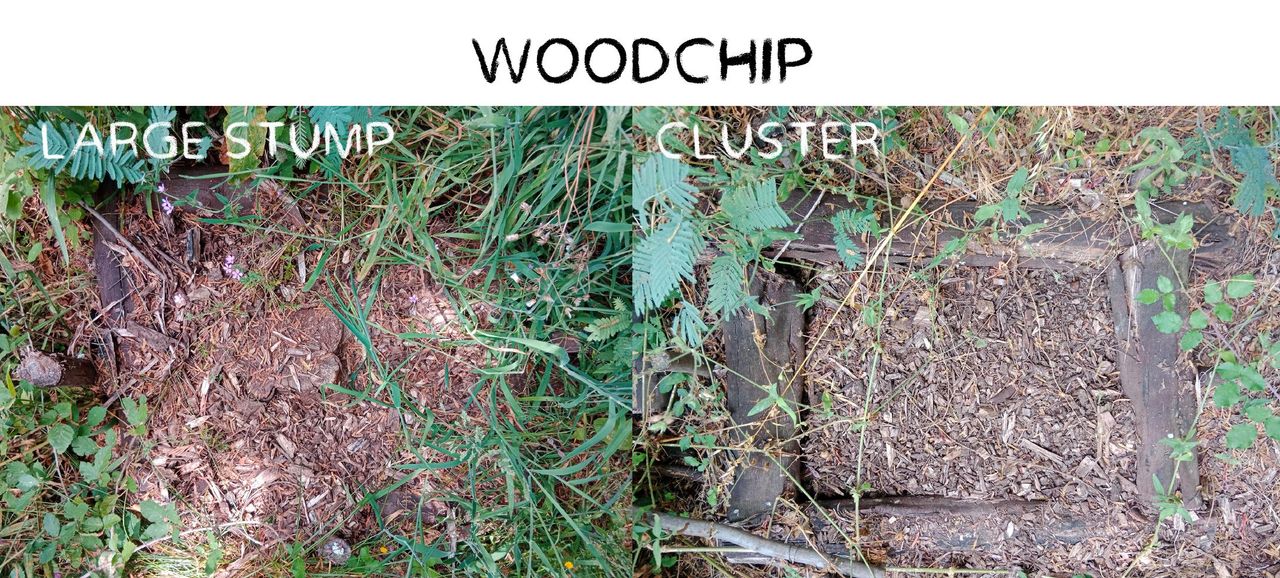
This method involves covering the stumps with wood chip mulch and leaving it. The idea behind this method is similar to the tarp method above, to block light from reaching the stump and create a moist environment to encourage decomposition. This method is especially nice because the material used (wood chips) is something that we have a lot of around Project Kamp as a byproduct of all our recent landscaping work. This makes good use of all the mimosas we cut down and the chips themselves will eventually also decompose and promote healthy soil. For the purposes of the experiment, we constructed small walls (using cut mimosa logs) around the stumps to keep the mulch from blowing or washing away.
7
Wool method
Published 1yPublished almost 2 years ago
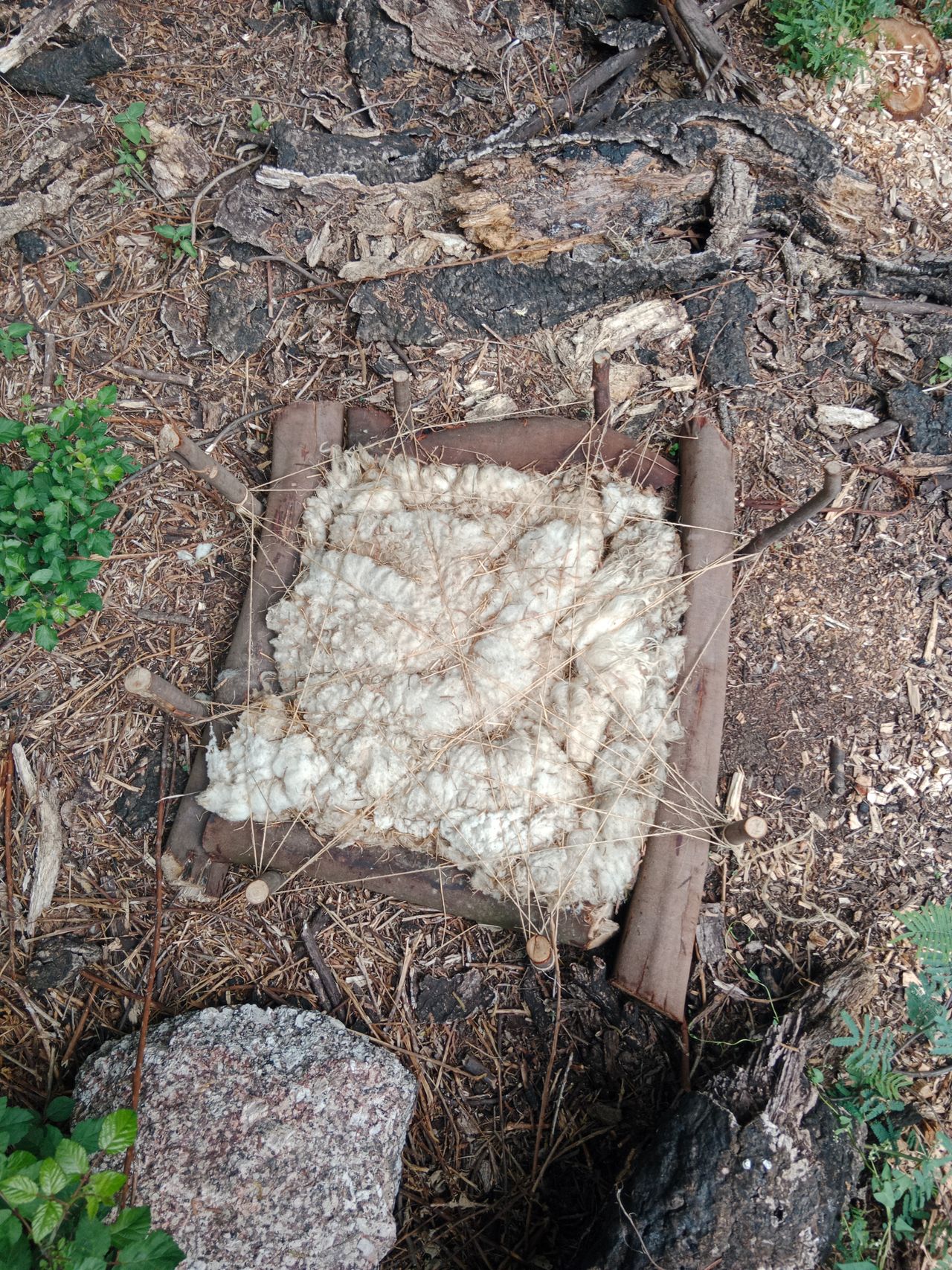
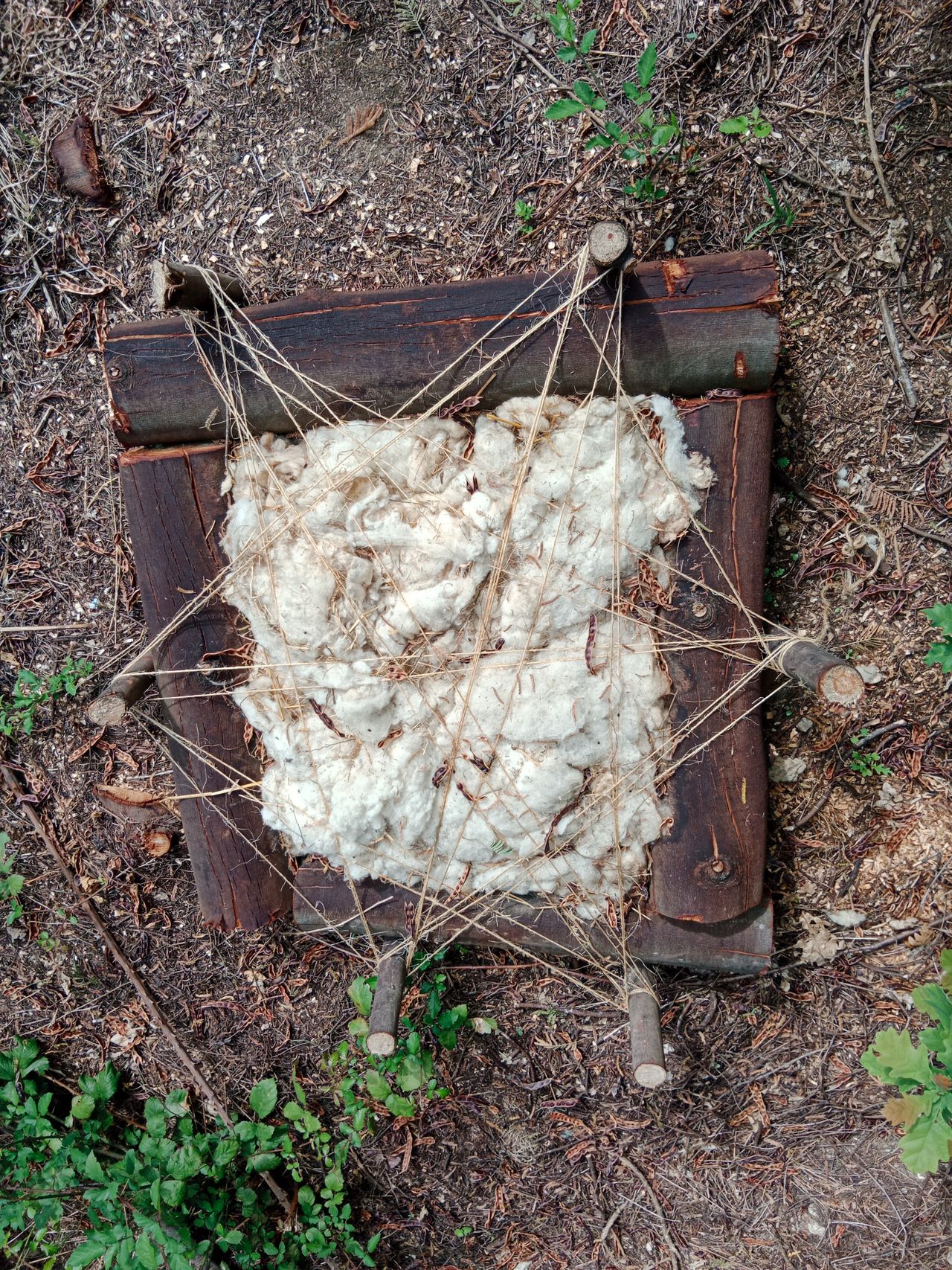
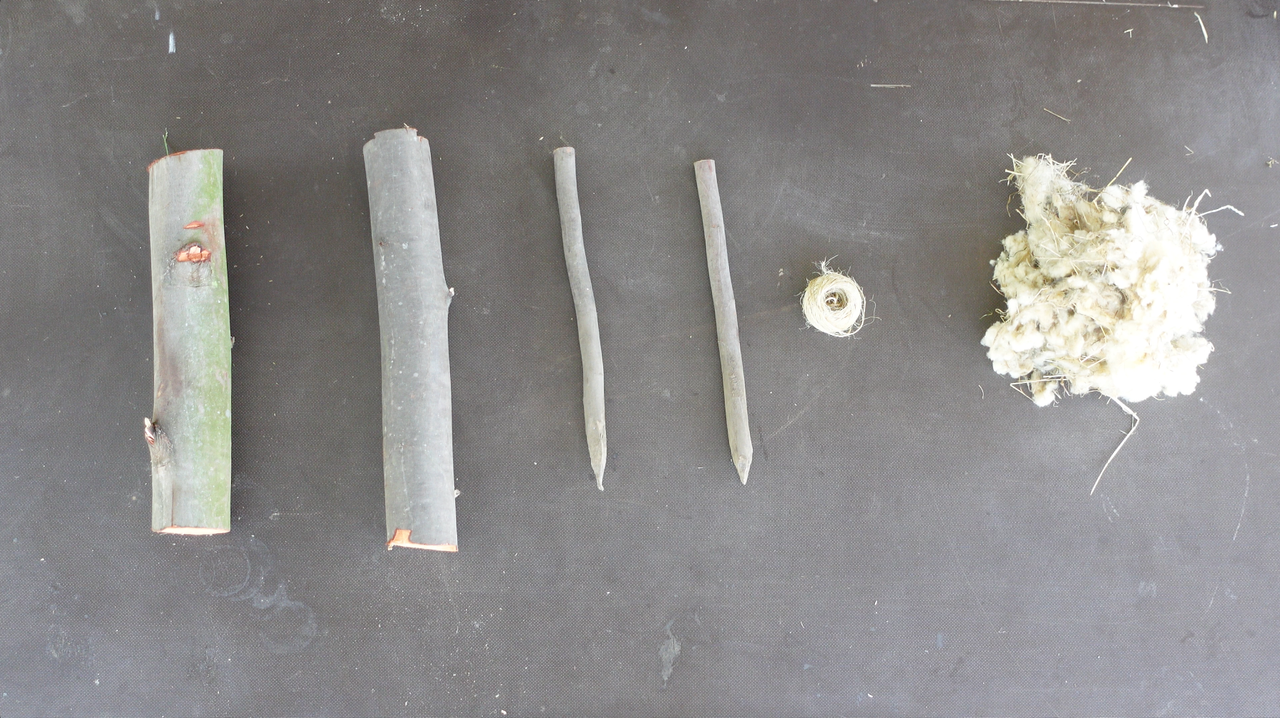
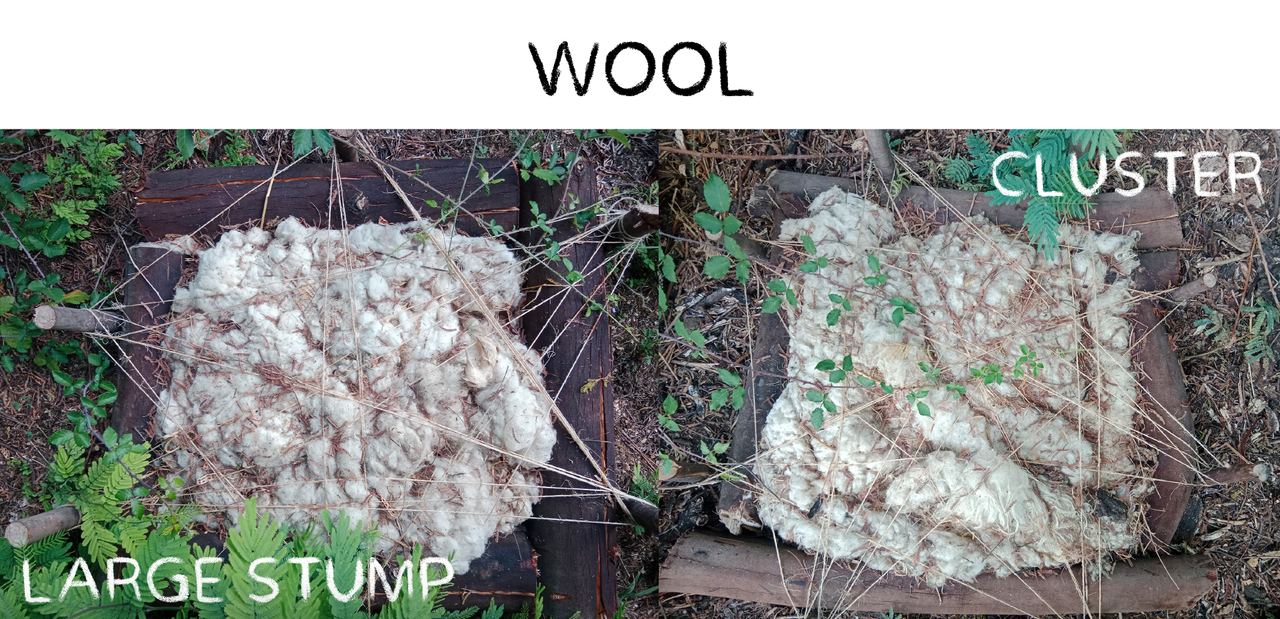
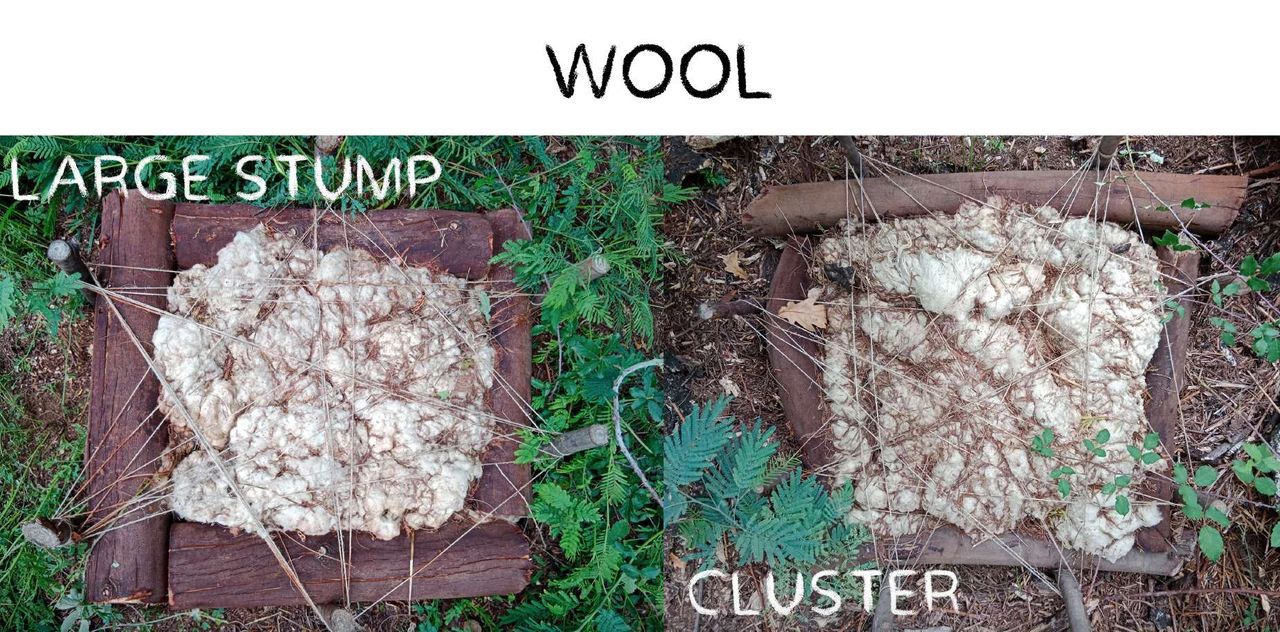
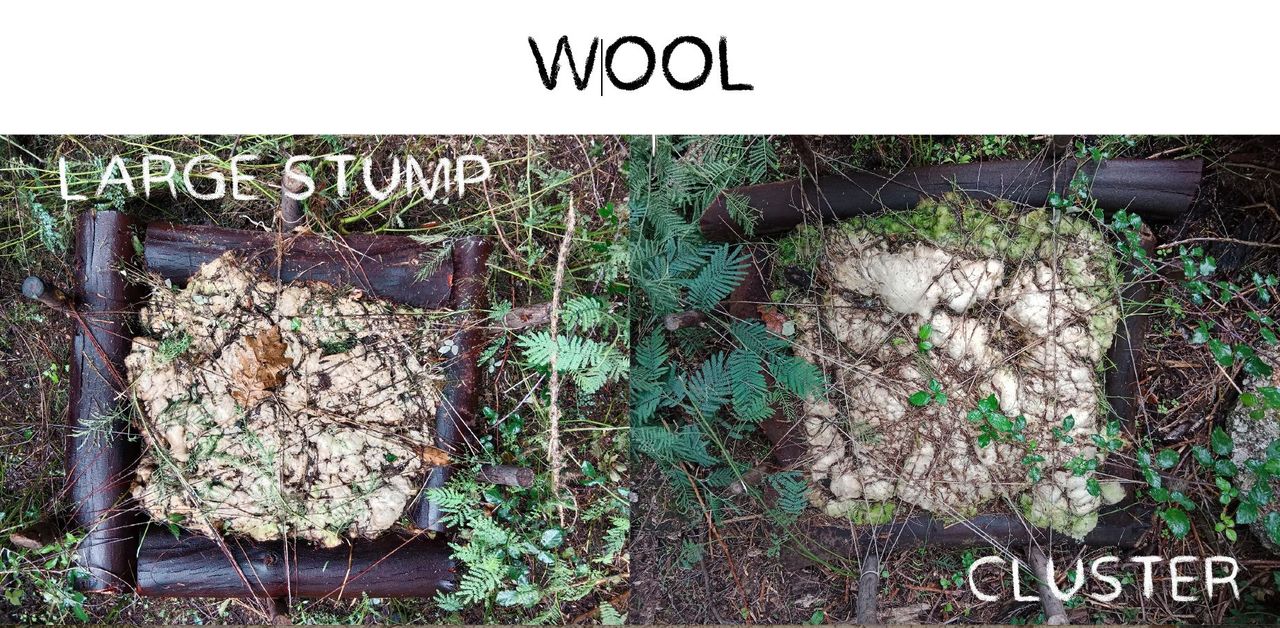
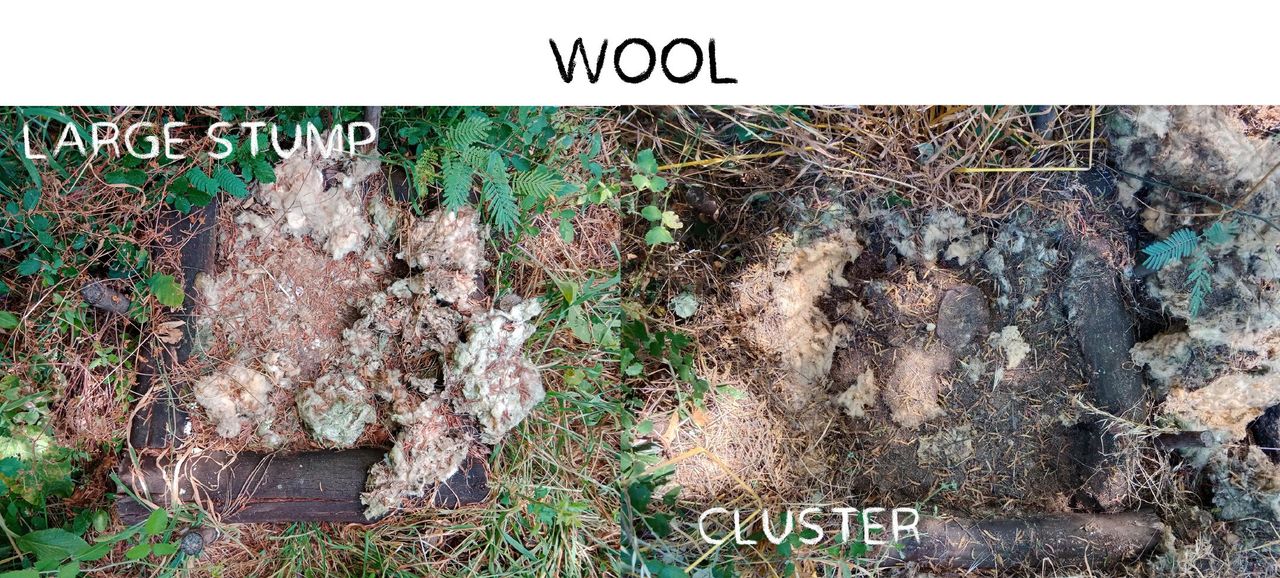
This method involves covering the stumps with sheep’s wool and leaving it. In our research we discovered wool is a good mulch material so we hope it will work like the woodchip mulch method. A benefit of wool is it decomposes very slowly and retains water very well (potentially better than the woodchip method) which would further promote decomposition. Wool is also a waste product in our surrounding area and our neighbors have sheep, so we were able to easily obtain and repurpose the material. Similar to the wood chip method we built a walled structure around the stump to hold the wool in place and further secured it with twine to keep it from potentially blowing away.
8
Continue to monitor progress
Published 1yPublished almost 2 years ago
For the next year, the stumps will be left undisturbed, except for a monthly check in for the first 5 months. During these checkups, more Epsom salt will be applied, and the progress of the different methods will be recorded.
Feel free to share which you think will be the most effective and if there's anything we could do to improve our experiment. Let's see how it goes!
9
1st Update - July 2024
Published 1y. Edited 1yPublished almost 2 years ago. Last edit almost 2 years ago

Epsom Salt with a cover
Wet, slightly moulding, and stumps have salt on them. In the clusters, some have sprouts that are yellow. The large stump doesn't have sprouts, but probably because it was started little later. During the check-up, more salts were added.
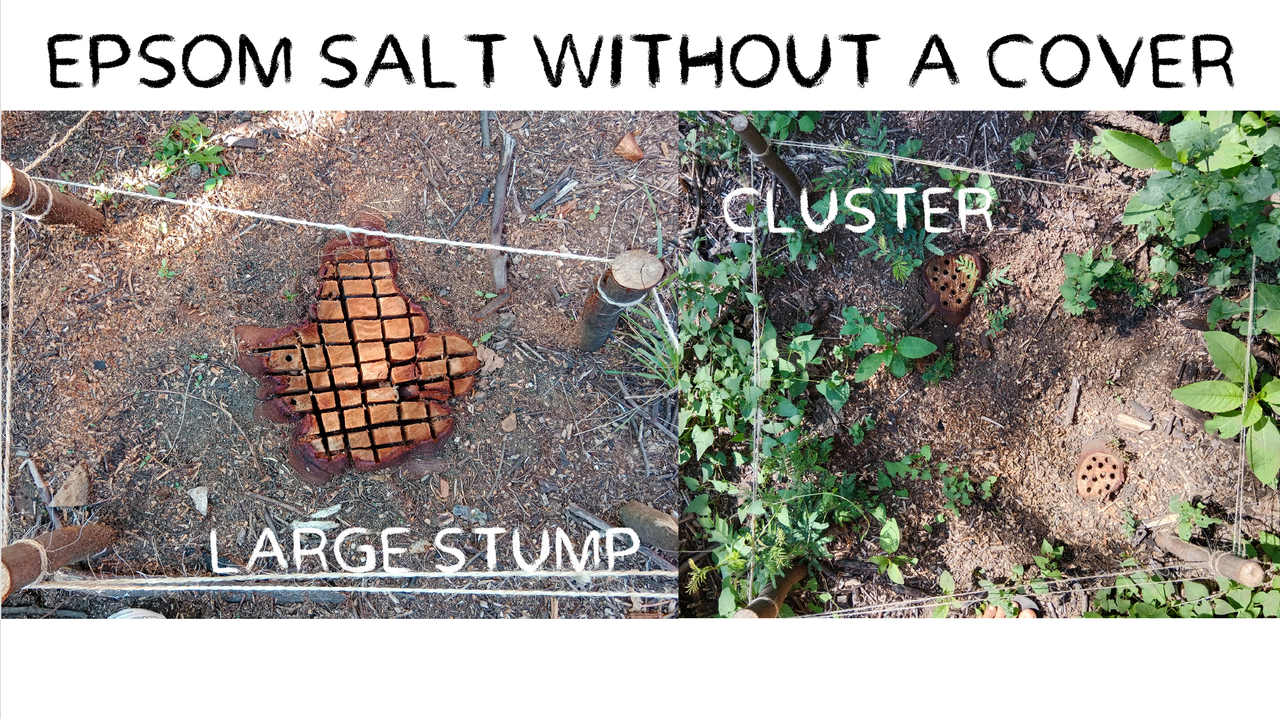
Epsom Salt without a cover
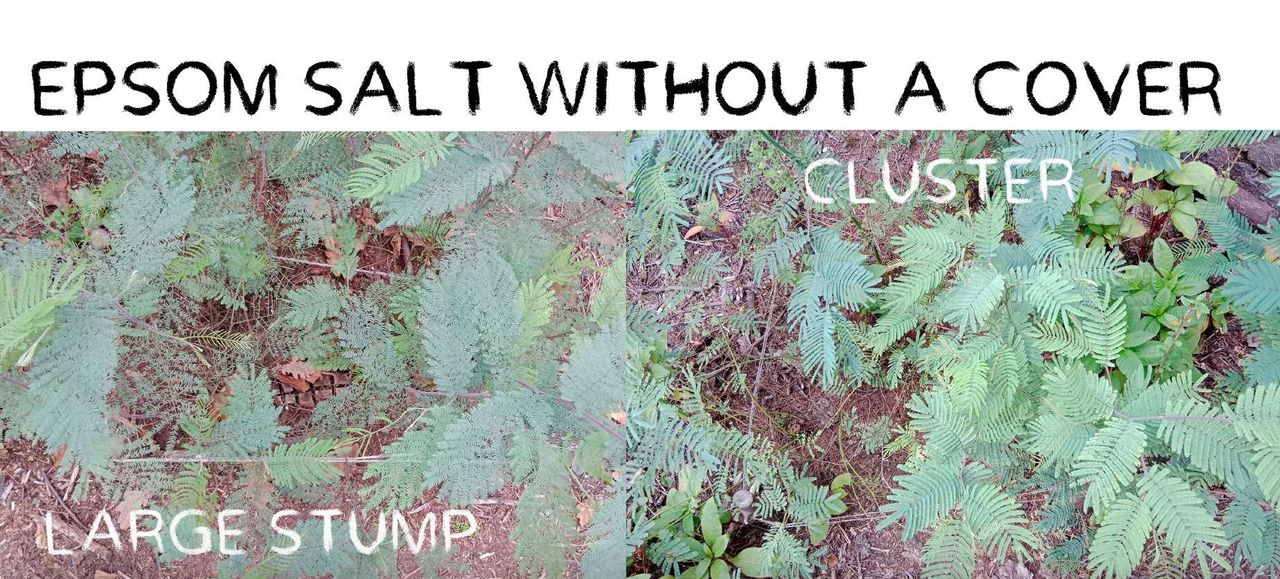
None of the stumps have salt left on them. They were probably washed off by rain. The clusters have resprouted healthily. The large stump doesn't have sprouts, but again, it was prepared later. There is some discolouration in the grooves of the large sump.
Tarp
As with Epsom with a cover, it's wet under the tarp and there are some mouldy parts on all the stumps.
Woodchip mulch
This was wet at the bottom and no sprouts were visible. The clusters have mould around the edges and the large stump is smelly, and slimy.
Wool mulch
Like the woodchip. Moist on the ground and stumps underneath. Some yellow resprouts on the clusters and the large stump has the same smelly slimy coating as the woodchip.
Bye!



10
2nd Update - August 2024
Published 1y. Edited 1yPublished almost 2 years ago. Last edit almost 2 years ago
Epsom Salt with a cover
More mould, green, black and white in colour. Resprouts on the clusters are still small and yellow. Large stump has one very small resprout. Visible salt layer on top.
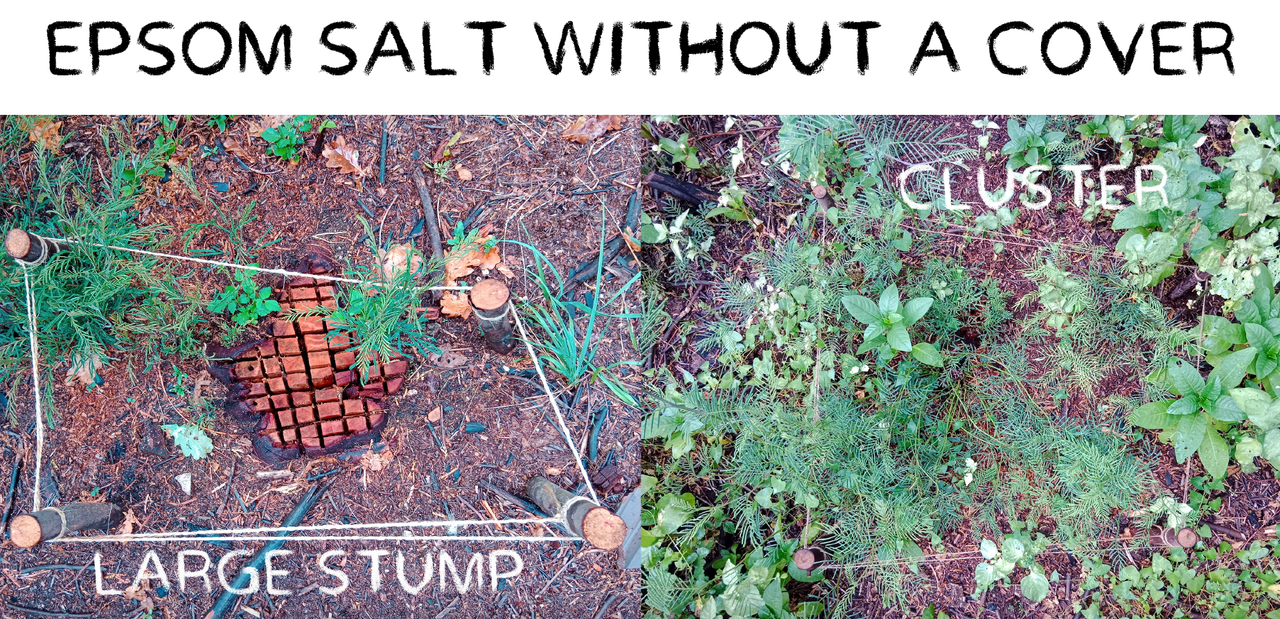
Epsom Salt without a cover
No mould on either treatment. Both treatments now have resprouts approx. 15cm tall. Some sprouts are growing from roots by the large stump. No visible salt.
Tarp
More mould, same as with a cover. Resprouts on the clusters are black and dead, individual stump still has none.
Woodchip mulch
Some green spots and black patches of mould visible. Clusters have resprouts and roots under the chips. Lots of insect life in the woodchips.
Wool mulch
Some white and black mould, less on large stump. Cluster resprouts are still white but now 5cm tall, none on the large sump. 5-7 large flies were living on the wool of the clusters. Wool was sticking to the surface of the stumps.
From now on we won’t remove the wool and woodchips. We'll observe from above to reduce disruption. Bye!



11
3rd Update - September 2024
Published 1y. Edited 1yPublished over 1 year ago. Last edit over 1 year ago
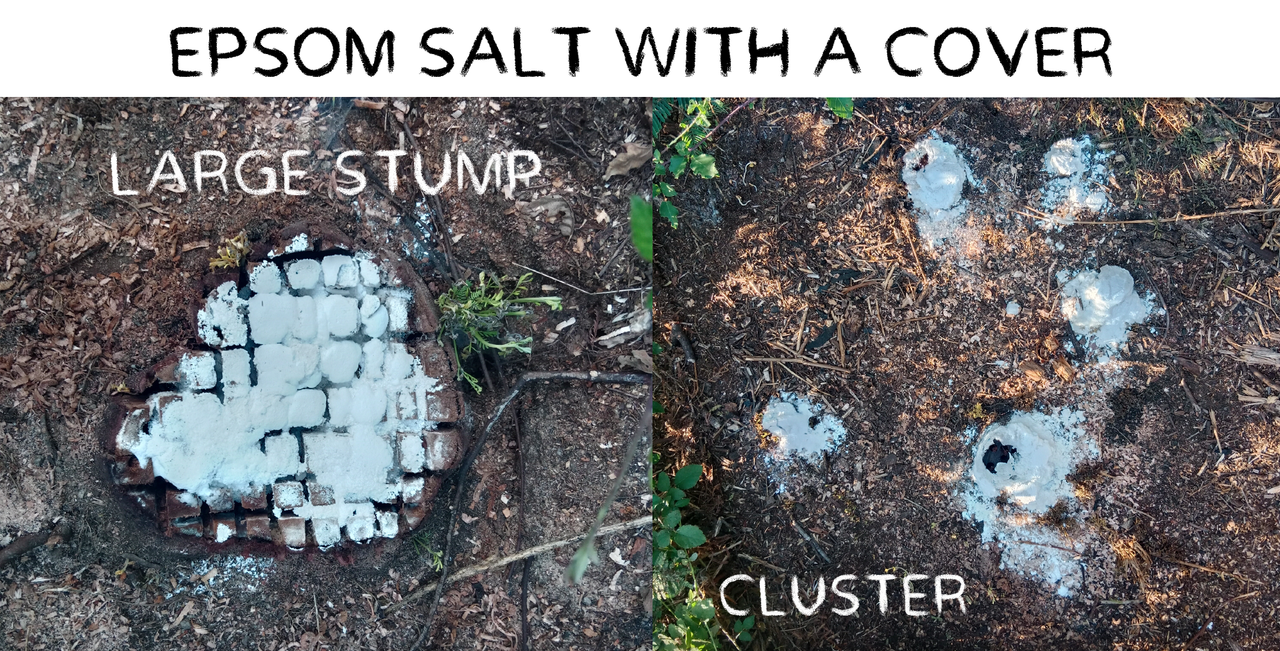
Epsom Salt with a cover
More mould, but not very visible due to the thick layer of leftover salt. Resprouts on the clusters are like last month. Large stump has one resprout approx. 7cm and 3 new buds.
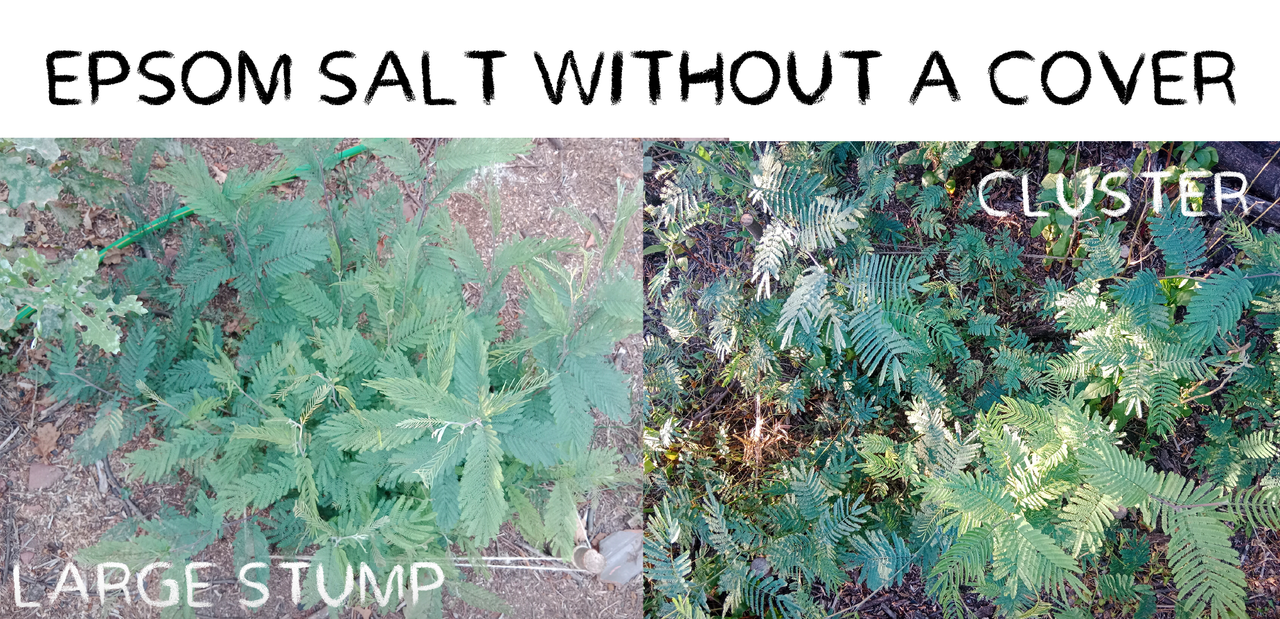
Epsom Salt without a cover
Some small black mould spots on the large stump. Resprouts are approx. 25cm tall. Some visible salt.
Tarp
Clusters are like previously; large stump has abundant mould of a variety of types. Resprouts are the same.
Woodchip mulch
Clusters have resprouts poking above the woodchips (max. 5cm). Woodchips seem to have been moved by animals. The large stump has one corner exposed, which I left as is.
Wool mulch
No change visible from above. Brambles are reaching over the wool.
That’s all, see you next month!
12
4th Update - October 2024
Published 1y. Edited 1yPublished over 1 year ago. Last edit over 1 year ago
Epsom Salt with a cover
Mould is like last check-up and there is still a thick layer of salts covering bigger stumps. Resprouts on the clusters are unchanged. Large stump has light green resprouts that are approx. 15cm and are bent. A small snake was sheltering under the tarp!
Epsom Salt without a cover
Some discolouration on the clusters and one tiny fungus on the large stump. Resprouts for both are approx. 50cm tall. Less dense than last time as some have died and others have lost leaves. Some salts were still on the bigger cluster stumps.
Tarp
Mould on the clusters has slightly increased. On the large stump, it has increased to cover around 90% of the surface, with a variety of colours. No resprouts.
Woodchip mulch
Resprouts are now approx. 20cm tall in the clusters. Some resprouts (approx. 10cm) have appeared at the edge of the large stump area. Woodchips have been more spread by animals and more of the large stump is visible.
Wool mulch
No resprouts. I moved the brambles off the wool. No other changes.



13
5th Update - November 2024
Published 1yPublished over 1 year ago
Epsom Salt with a cover
Mould is like last check-up and salts were covering all the stumps. Resprouts on the clusters are unchanged. Large stump resprouts are still approx. 15cm and are bent, although there are a few more. No snake this time...
Epsom Salt without a cover
Mould is similar to last month, possibly less. Resprouts for clusters are approx. 175cm tall and large stump approx. 100cm tall. Sprouts are thicker than before. String marking the test clusters has broken.
Tarp
Mould on all the stumps has slightly increased again. No resprouts.
Woodchip mulch
Due to the end of season, people have been active in landscaping. Unfortunately, both tests have been brushcut nearby and I am not sure if the stumps were directly affected. The tallest sprout in the cluster is still standing however, it has lost all its leaves. I think probably an animal ate them. The large stump still does not have any sprouts growing directly from the stump and the ones visible last month have disappeared, probably because of the brushcutting.
Wool mulch
Still no resprouts. Grass and mould are growing on the wool. A string on the large stump has broken but the wool is still secure.
This is the last update for this season. The last Epsom salt has been added and we will check on them again in Spring. So far it seems that only Epsom salt is not good for stopping resprouts. The others all stopped light from reaching the stumps and these all worked, to different degrees. The tarp/cover and the wool were the most effective and the woodchips were ok but got moved around by animals and so let sprouts grow. Le me know what you think of this experiment and which you would use on your land.
14
One Year Update - June 2025
Published 10moPublished 11 months ago
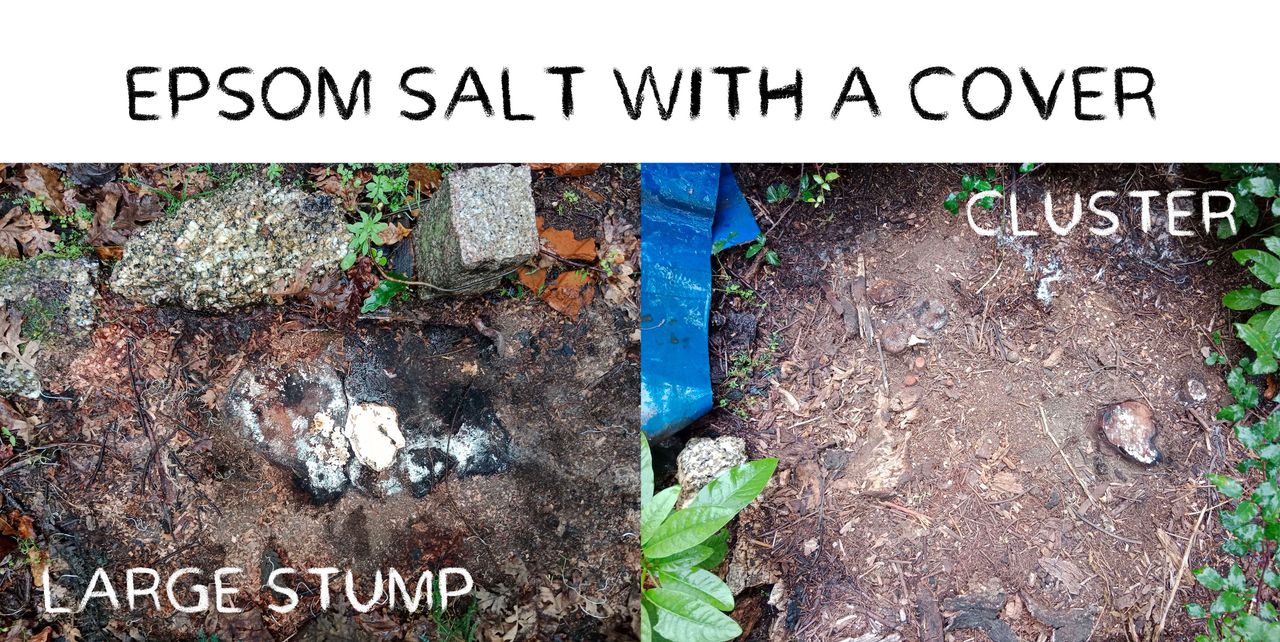
Epsom Salt with a cover
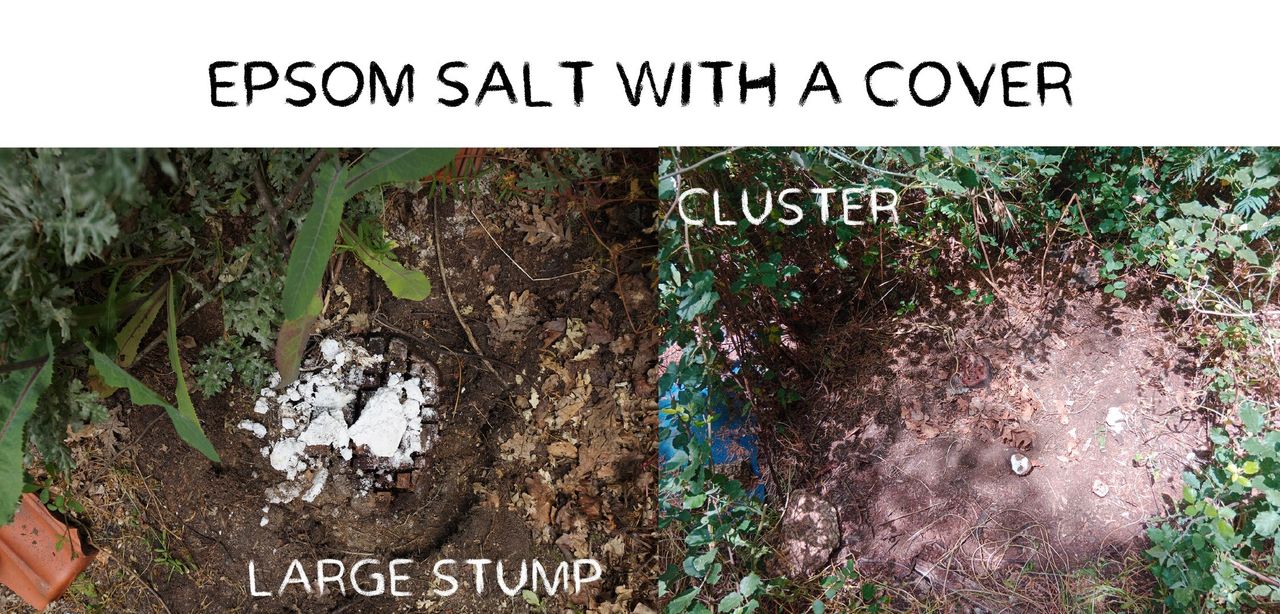
No more mould than in November. All the little sprouts have died. There are signs of animals in the soil in both the large stump and the clusters. Both the individual stump and the clusters still had salt on top, and the tarps all stayed firmly in place over winter.
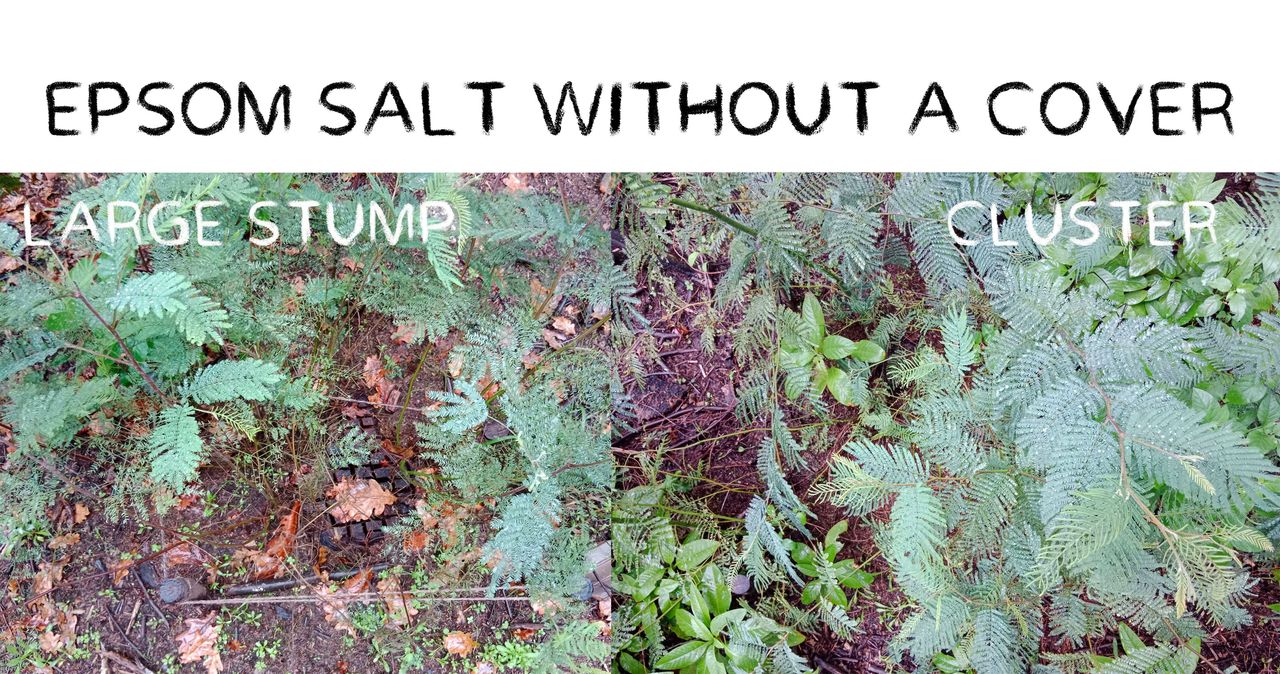
Epsom Salt without a cover
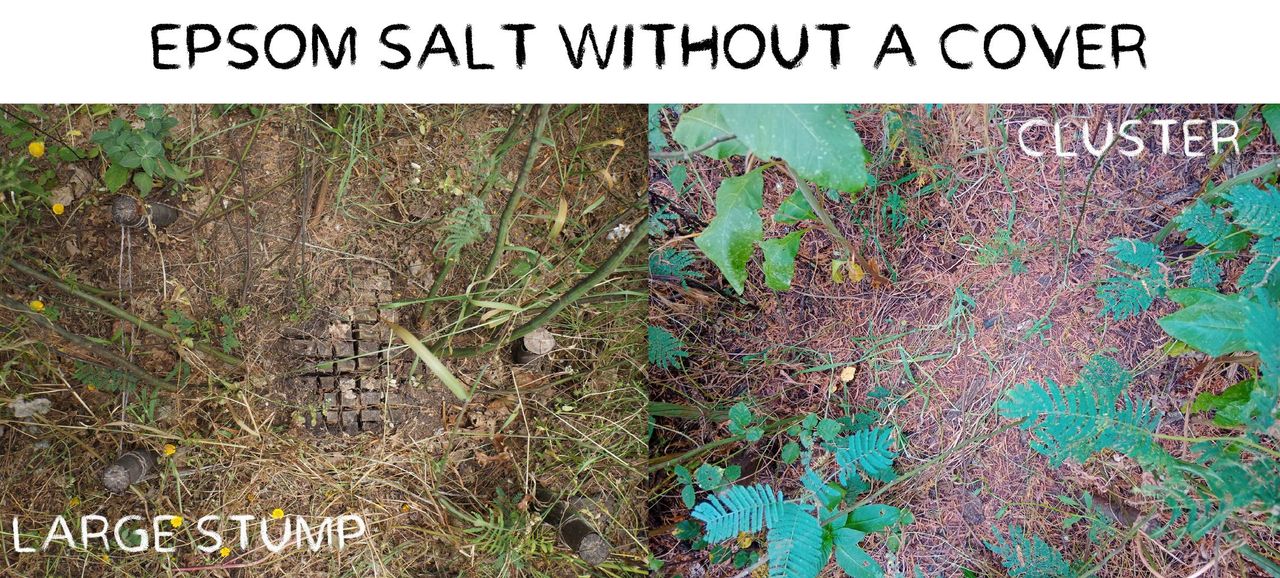
Mould is also like in November. The resprouts have grown and are now max. 2.5 m tall and 5cm thick. In the clusters, the sprouts look the same as untouched sprouts nearby. There was no salt visible on the surface of any of the stumps. The string marking the test areas was broken but the corner sticks stayed in place.
Tarp
This continued to have lots of mould and there were still no resprouts. In the clusters, there were animal signs in the soil like in Epsom salt with a cover as well as a dead rodent (possibly a shrew). The tarps stayed in place over the months weighed down by rocks and tiles.
Woodchip mulch
No mould visible on the stumps and no resprouts have grown. Animals continued to move the woodchip but did not expose the stumps in the cluster. The large stump was exposed but still did not resprout. The woodchips continued to decompose.
Wool mulch
Some mould on the stumps. Hard to quantify how much because the wool was stuck to the surface of the stumps. There were no mimosa resprouts but, on the edges of the clusters, cereal grasses have grown. There are no other cereals in the area, so it’s possible they self-germinated from the wool. There were insects on both the tests. The wool had turned green in some places from algae and the string holding it in place had decomposed, however the wool still covered the stumps and was undisturbed (the images were taken after we disturbed them and concluded the experiment).
15
Conclusions and Scalability
Published 10mo. Edited 10moPublished 11 months ago. Last edit 11 months ago
The experiment has been very interesting to us! First, if we do another experiment, the one thing we would change is to keep a test area where we do nothing so we can compare (to do a control). We were hoping to use the plants around but many of them got brushcut so we had few to use for a comparison. Now for our conclusions on the different methods...
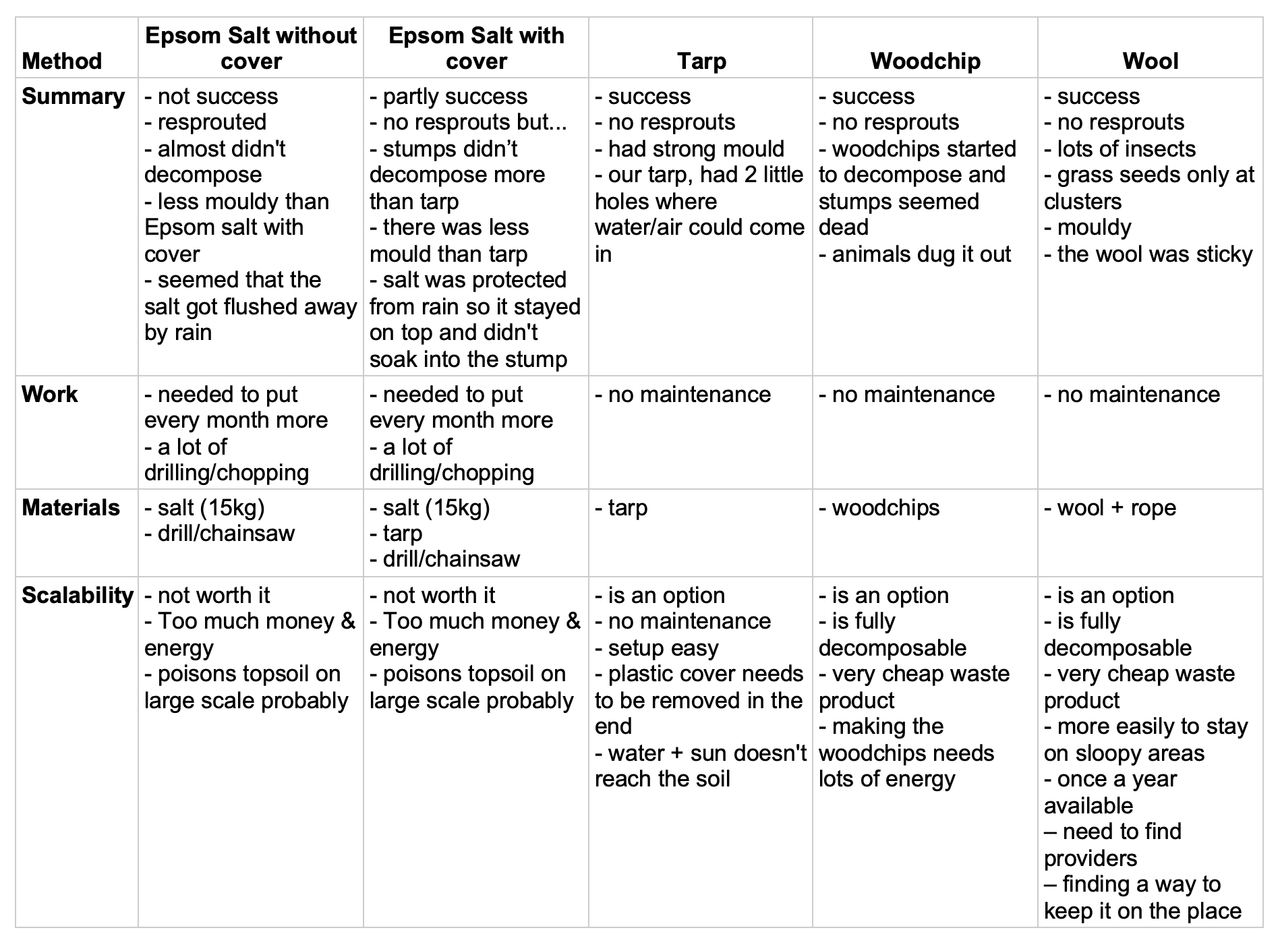
We hoped that using Epsom Salt would (1) stop sprouts from growing and/or (2) make the stump decompose faster. Neither of these happened so we do not consider using Epsom Salts viable, on a small and especially on a large scale. The Epsom Salt with a Cover didn't resprout but that was probably because of the cover as the stumps looked like the Tarp ones. Additionally, the Epsom salt took the most work to set up and was the only one needing maintenance. Lastly, they were the most expensive because we bought 5kg of Epsom salt total at approx. €6 a kilogram, so we spent about €30 on all the tests. It's not expensive but it was the only one that we specifically bought material for.
The other 3, we consider all viable methods to scale up or repeat. Here are the pros and cons of each one.
Tarp
Pros: it is unlikely to be blown away by wind or moved by animals, we know where to buy large truck tarps, so materials are easily available, and lastly, they are easily kept in place with heavy objects or potentially pegged down. Cons: it doesn’t let anything grow underneath (we are imagining you could plant things on top of the woodchip or wool), you would have to think about where rain would go if used in a large area as it is impermeable, the impermeability could also slow the decomposing, and lastly you have to collect the tarp again.
Woodchip
Pros: we have a lot of it and it's biodegradable. Cons: you need a thick layer to fully cover the ground, we have to create the chips which is a lot of work for us so far, and lastly, it probably wouldn’t work on steep ground because it would be washed away.
Wool
Pros: it’s a waste product for farmers so it's free or very cheap, it's biodegradable, and each fleece holds itself together which helps to keep it in place. Cons: we would need to find a way to hold it down in steep and exposed places (would rocks work? This would need to be tested), we would need to involve various neighbours with sheep to get enough wool which could complicate the set up, and lastly, we don't know yet how long it would take to decompose, so far we know one year is definitely not long enough.
Overall, this has been a valuable experiment for us. The most viable in Project Kamp is probably the woodchips because we have so much material that could be used but wool and tarp are valuable to keep in mind for tricky areas. We are really enjoying your comments on the posts so feel free to keep adding. Let us know which ones you would use, if any. Bye!
%20--%3e%3csvg%20version='1.1'%20id='Layer_1'%20xmlns='http://www.w3.org/2000/svg'%20xmlns:xlink='http://www.w3.org/1999/xlink'%20x='0px'%20y='0px'%20viewBox='0%200%2064%2063'%20style='enable-background:new%200%200%2064%2063;'%20xml:space='preserve'%3e%3cstyle%20type='text/css'%3e%20.st0{fill:%2320B7EB;}%20.st1{fill:%23E9475A;}%20.st2{fill:%23FECE4E;}%20%3c/style%3e%3cdesc%3eCreated%20with%20Sketch.%3c/desc%3e%3cg%20id='Page-1'%3e%3cg%20id='OA-Logo-Black-Background'%3e%3cpath%20id='Shape'%20class='st0'%20d='M14.1,30.1c-1.5-0.8-8.6-3.8-14.1-7.8c1.8-3.4,3.1-5.6,5-9.1c2.7,1.1,1.9,0.5,4.6,1.7%20c0.8,0.4,10.1,4.5,13.8,6.2c2.4,1.1,4.7,2.2,7,3.3L43,30.5l8.1,3.9c4,2,7.2,3.5,11.3,5.5c0.5,0.3-3.7,9.4-3.7,9.4%20c-1.7-0.6-3.9-1.8-5.5-2.5c-4.7-2.1-9-3.9-13.7-6c-4-1.8-6.7-2.9-10.8-4.5C25,34.9,17.1,31.6,14.1,30.1z'/%3e%3cpath%20id='Shape_1_'%20class='st1'%20d='M12.1,54.9c-0.8,0.6-1.6,1.2-2.5,1.6c-0.4-0.5-0.9-1-1.3-1.5c-0.3-1.2-2.3-4.9-2.7-6.2%20c-0.1-0.4-0.7-2.2-0.8-2.6c0,0,5-3.4,8.2-5.9c3.2-2.6,6.2-5,9.3-7.5c1.4-1.1,3.9-2.5,5.3-3.5c2.5-1.7,13-9.1,15.6-10.5%20c5.4-3.3,11.1-6.3,16.8-9c1.7,3.5,1.8,3,3.8,6.9c0,0-17.8,13.5-22.7,17.1c-3.8,2.8-7.5,5.7-11.3,8.5c-1.7,1.3-3.5,2.4-5.2,3.7'/%3e%3cpath%20id='Shape_2_'%20class='st2'%20d='M20.8,2.9l-0.2-0.8C25,0,31.2-0.3,31.4,0.2c0.4,1.1,0.9,2.2,1.2,3.4c1.4,4.4,2.7,8.7,4,13.1%20c0.4,1.4,2.8,10,2.9,10.5c0.5,2.8,1.2,5.6,1.6,8.4c0.8,4.7,1.4,8.6,2.3,13.3c0.6,3.1,1.3,6.3,2.3,11.3c0,0-5.8,1.4-7.5,1.8%20c-0.8,0.2-1.5,0.4-2.4,0.6c-0.3-1.1-0.2-1.2-0.5-2.1c-0.9-3.7-1.8-7.3-2.6-11c-1.5-6.4-3-12.9-4.4-19.3%20c-1.2-5.4-2.6-10.7-4.4-15.9c-1-3.1-1.8-6.3-2.7-9.5C21.1,3.8,21,3.8,20.8,2.9z'/%3e%3c/g%3e%3c/g%3e%3c/svg%3e)