

Can we make our own insulation?
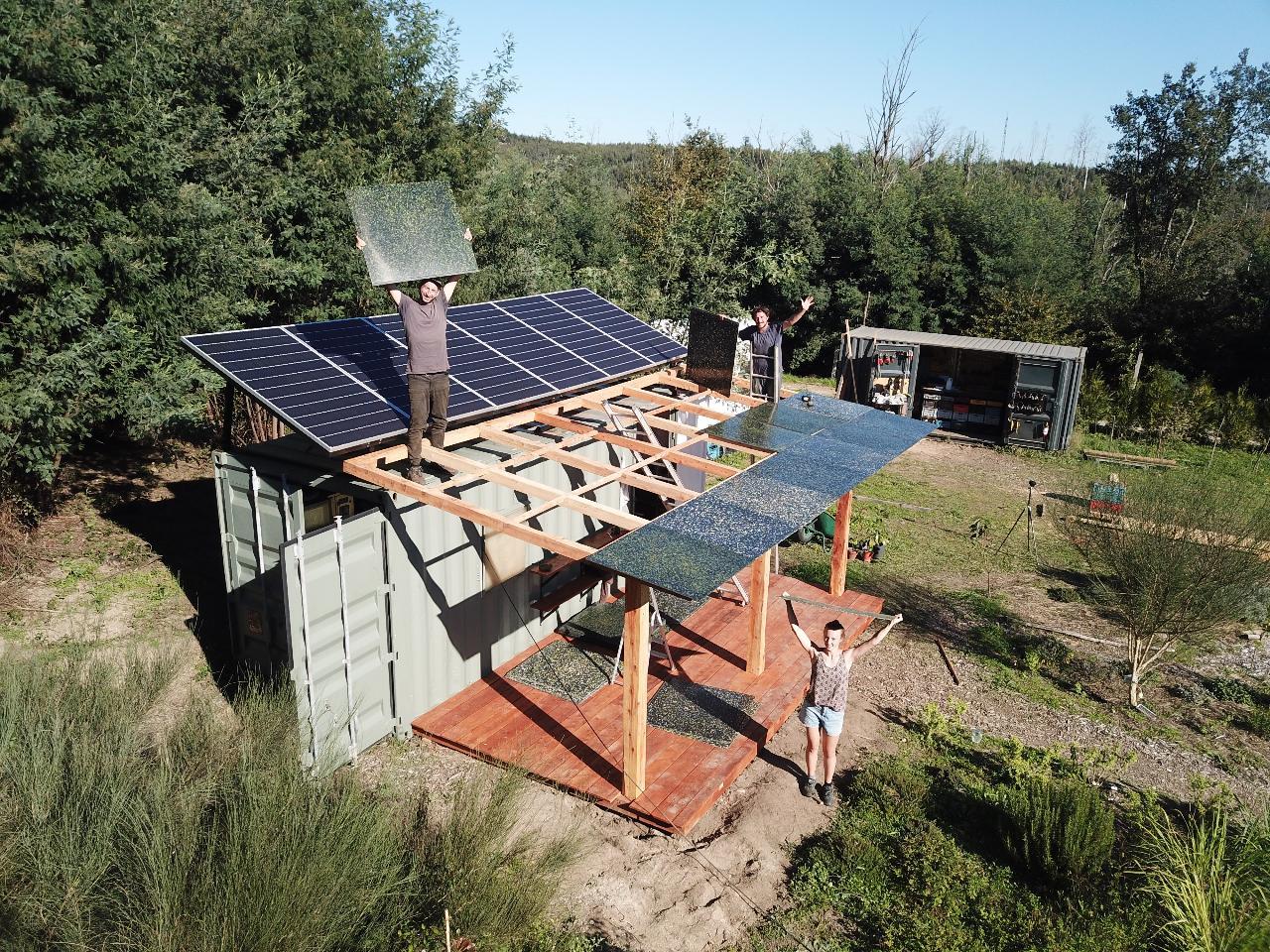

BuildingNatural materials
More Information


%20--%3e%3csvg%20version='1.1'%20id='Layer_1'%20xmlns='http://www.w3.org/2000/svg'%20xmlns:xlink='http://www.w3.org/1999/xlink'%20x='0px'%20y='0px'%20viewBox='0%200%2064%2063'%20style='enable-background:new%200%200%2064%2063;'%20xml:space='preserve'%3e%3cstyle%20type='text/css'%3e%20.st0{fill:%23231F20;}%20%3c/style%3e%3cdesc%3eCreated%20with%20Sketch.%3c/desc%3e%3cg%20id='Page-1'%3e%3cg%20id='OA-Logo-Black-Background'%3e%3cpath%20id='Shape'%20class='st0'%20d='M14.1,30.1c-1.5-0.8-8.6-3.8-14.1-7.8c1.8-3.4,3.1-5.6,5-9.1c2.7,1.1,1.9,0.5,4.6,1.7%20c0.8,0.4,10.1,4.5,13.8,6.2c2.4,1.1,4.7,2.2,7,3.3L43,30.5l8.1,3.9c4,2,7.2,3.5,11.3,5.5c0.5,0.3-3.7,9.4-3.7,9.4%20c-1.7-0.6-3.9-1.8-5.5-2.5c-4.7-2.1-9-3.9-13.7-6c-4-1.8-6.7-2.9-10.8-4.5C25,34.9,17.1,31.6,14.1,30.1z'/%3e%3cpath%20id='Shape_1_'%20class='st0'%20d='M12.1,54.9c-0.8,0.6-1.6,1.2-2.5,1.6c-0.4-0.5-0.9-1-1.3-1.5c-0.3-1.2-2.3-4.9-2.7-6.2%20c-0.1-0.4-0.7-2.2-0.8-2.6c0,0,5-3.4,8.2-5.9c3.2-2.6,6.2-5,9.3-7.5c1.4-1.1,3.9-2.5,5.3-3.5c2.5-1.7,13-9.1,15.6-10.5%20c5.4-3.3,11.1-6.3,16.8-9c1.7,3.5,1.8,3,3.8,6.9c0,0-17.8,13.5-22.7,17.1c-3.8,2.8-7.5,5.7-11.3,8.5c-1.7,1.3-3.5,2.4-5.2,3.7'/%3e%3cpath%20id='Shape_2_'%20class='st0'%20d='M20.8,2.9l-0.2-0.8C25,0,31.2-0.3,31.4,0.2c0.4,1.1,0.9,2.2,1.2,3.4c1.4,4.4,2.7,8.7,4,13.1%20c0.4,1.4,2.8,10,2.9,10.5c0.5,2.8,1.2,5.6,1.6,8.4c0.8,4.7,1.4,8.6,2.3,13.3c0.6,3.1,1.3,6.3,2.3,11.3c0,0-5.8,1.4-7.5,1.8%20c-0.8,0.2-1.5,0.4-2.4,0.6c-0.3-1.1-0.2-1.2-0.5-2.1c-0.9-3.7-1.8-7.3-2.6-11c-1.5-6.4-3-12.9-4.4-19.3%20c-1.2-5.4-2.6-10.7-4.4-15.9c-1-3.1-1.8-6.3-2.7-9.5C21.1,3.8,21,3.8,20.8,2.9z'/%3e%3c/g%3e%3c/g%3e%3c/svg%3e)


1
What are the natural materials around us?
Published 1yPublished over 1 year ago
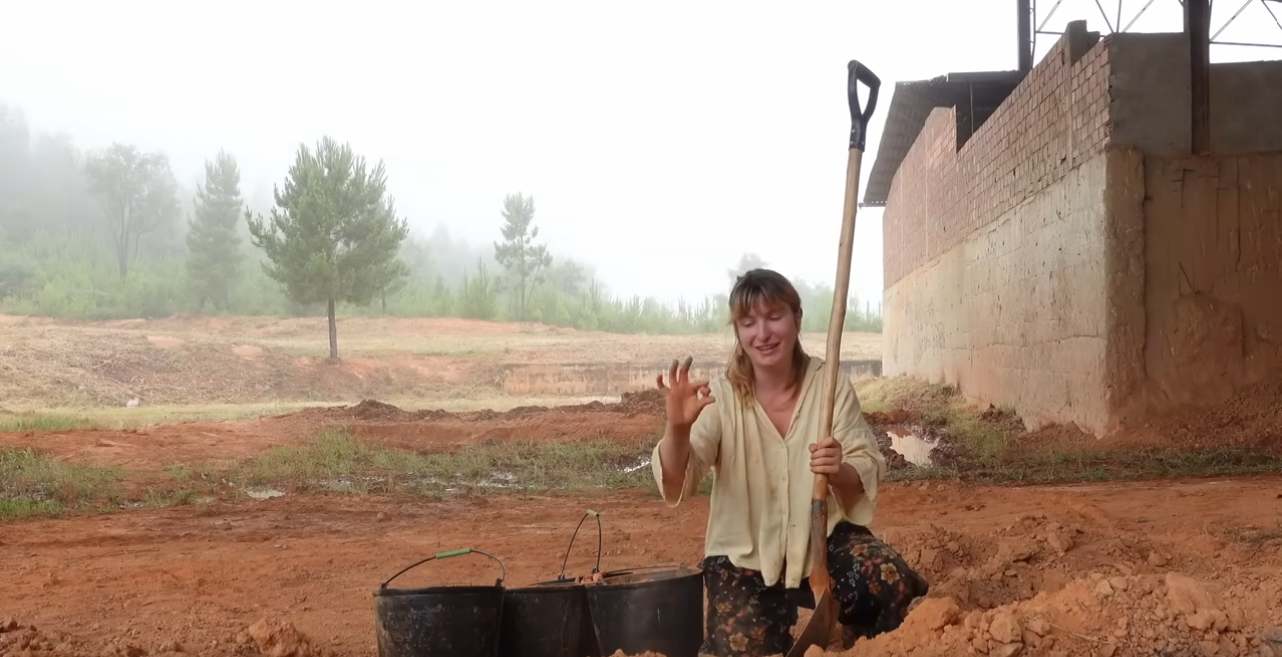

Here in Project Kamp, we used a lot of cork insulation. It is a natural material that we see all around us, that we get, already processed from a factory. So we have a “ready to install” good quality insulation.
The down-side of cork for us is the price and the carbon footprint of the shipment.
How fun would it be if we could make our own insulation from natural material around us!!
What do we have around us?
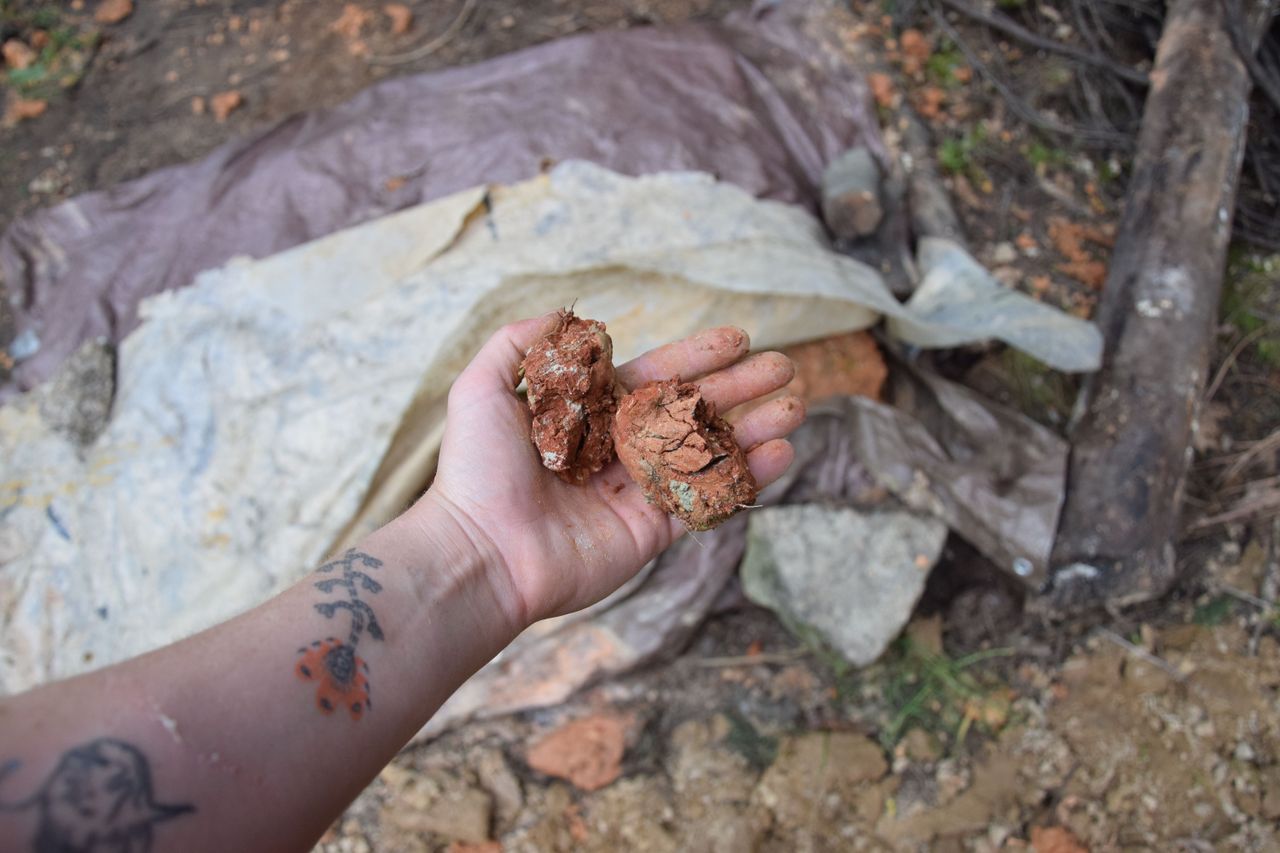
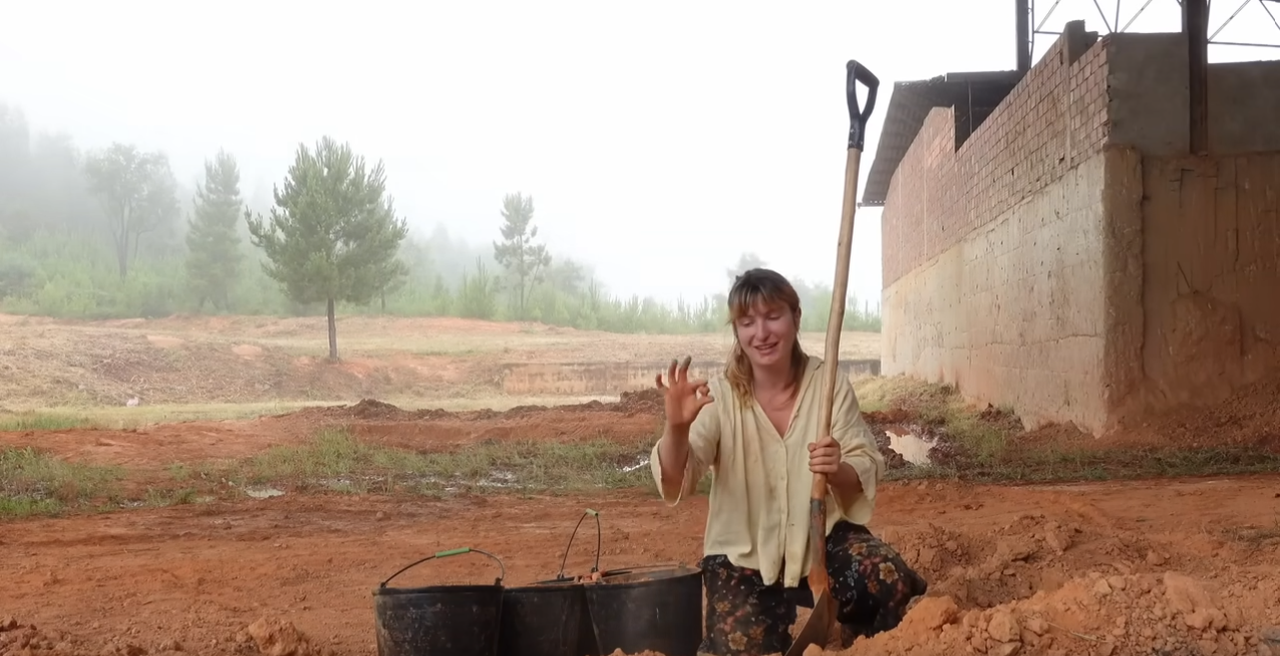
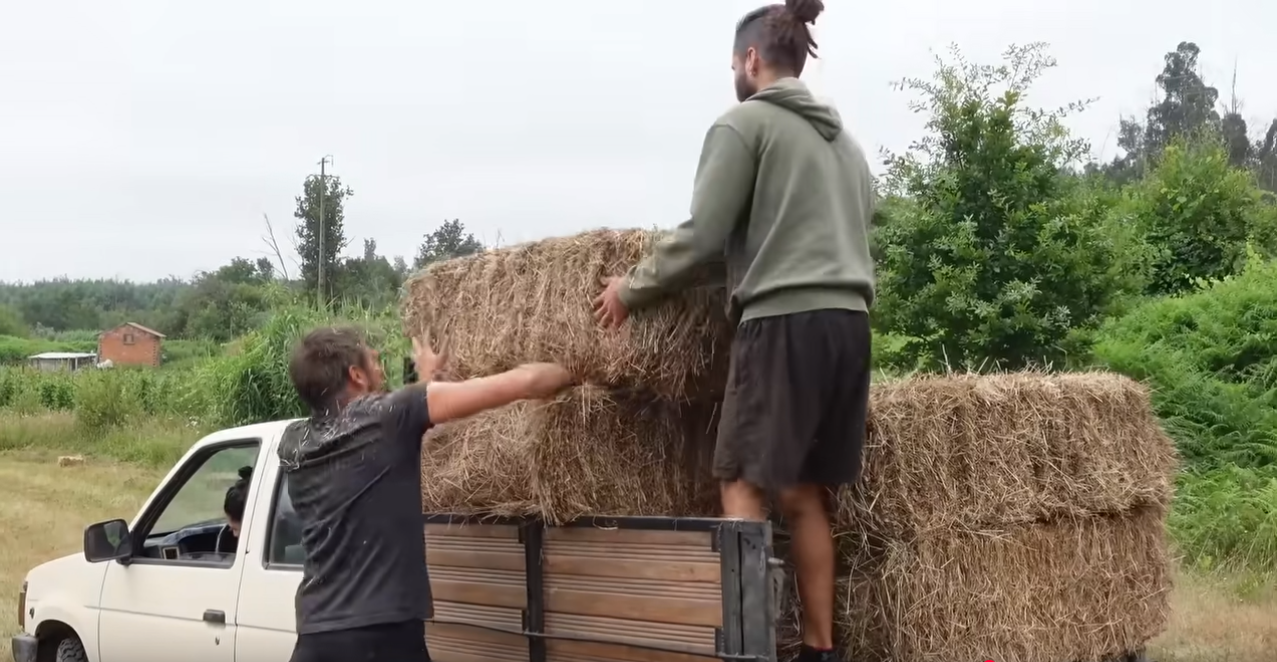
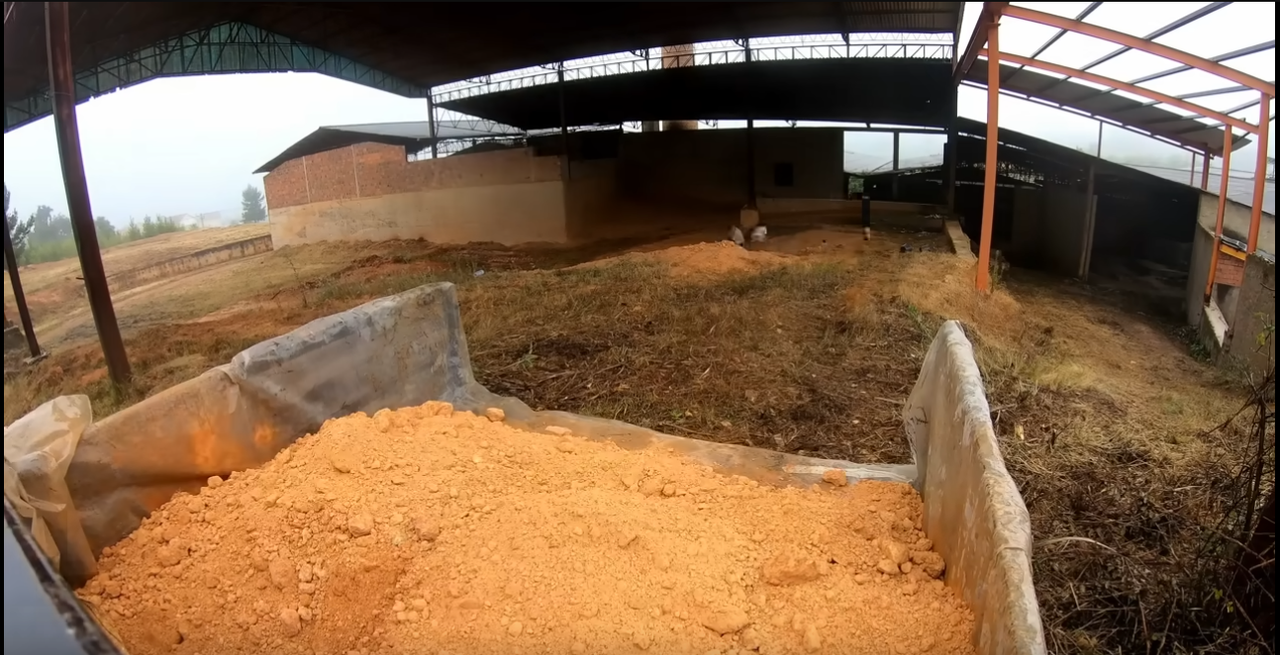
20 minutes away from us, there is an old abandoned tiles factory where we can get raw clay. We also have a lot of shepherds around us and they all use straw for the sheep’s bed.
With those two components we already can think of one way to do our own insulation.
Mixing straw with very little clay and putting the mix in a mold, we can manufacture our own insulation blocks.
These two are easy-access natural local resources around us. And we will make our first try-outs with them.
In order to do that, we need first to understand why straw?
2
What is the difference between straw and hay?
Edited 1yPublished over 1 year ago. Last edit over 1 year ago
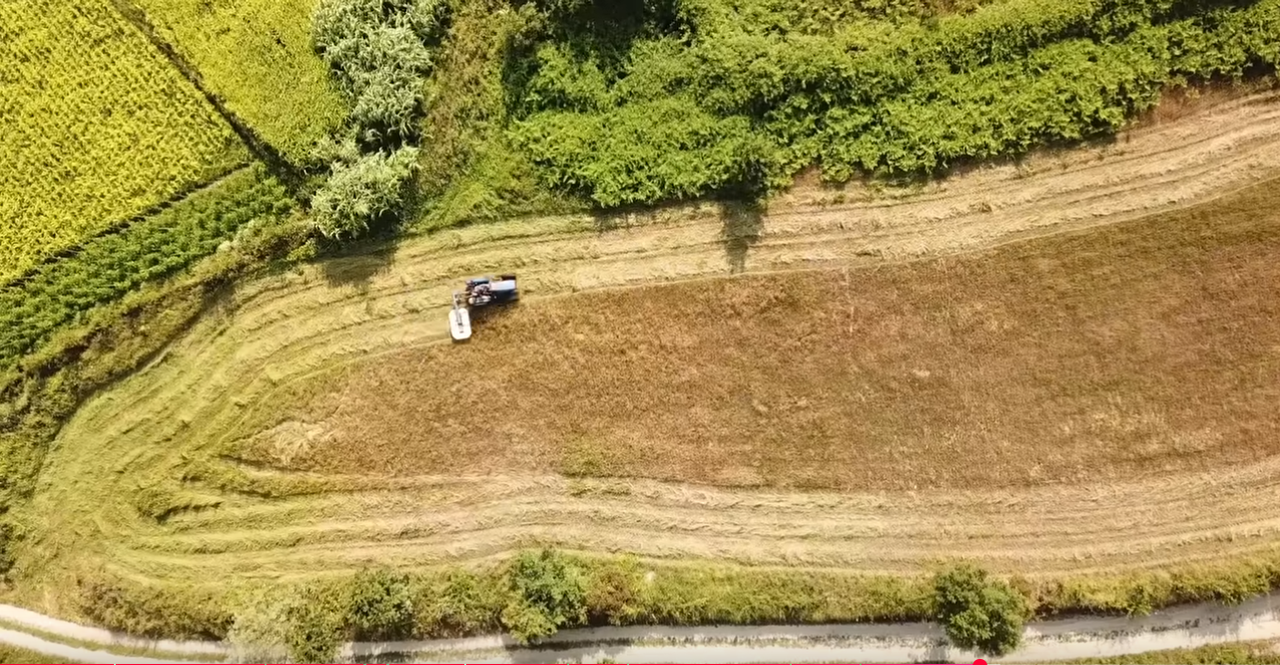
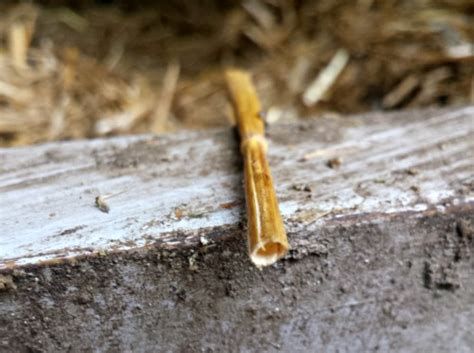
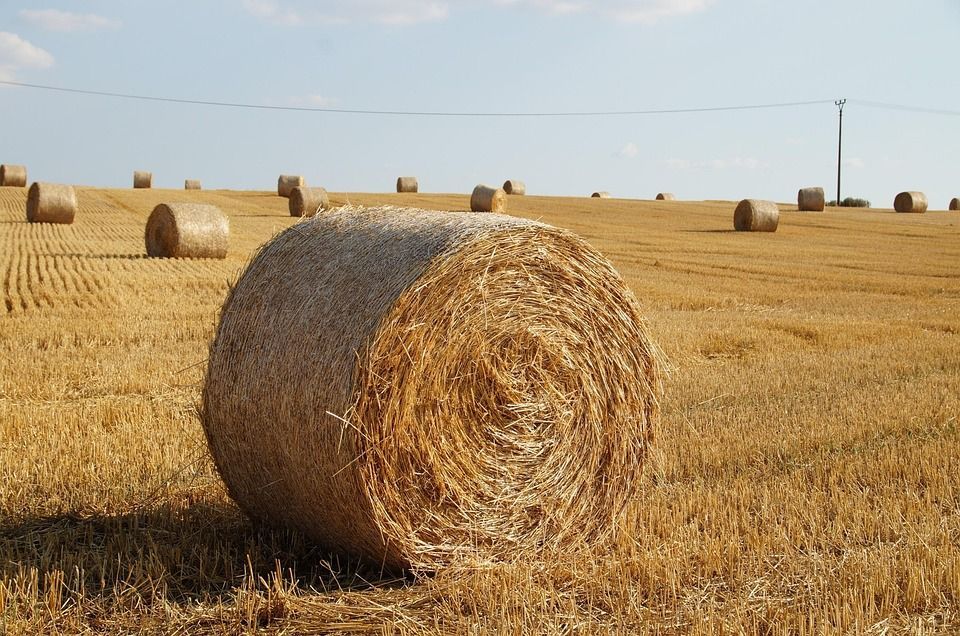
Both are herbs cut in a field but straw is hollow and thicker, which makes it an ideal insulation material. Hay, on the hands, isn’t hollow, is thinner which makes it a good fiber but not a good insulation. Also hay will be in general more expensive as it is food for animals, straw isn’t. Hay will be more green-ish and straw is yellower.
Straw bales are made from the leftover stems of harvested grain, while hay bales typically consist of finer-stemmed grasses balled green with the seed heads.
Both make great building materials if they are protected from moisture.
They represent a great opportunity for building: grass and stems of many plants grow in most places. Oats, rice, wheat, barley, and other straw are available. Bale constructions make economical and environmental sense.
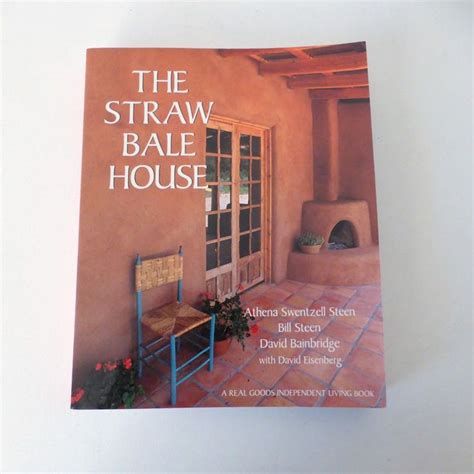
A lot of people are building with strawbale. There is a lot of knowledge around this technique. You could build your whole house out of straw. If you want to go further, you can also leaf through this book: The strawbale house by Steen, Steen and Bainbridge.
We will use straw!

3
Why Straw and Clay together?
Published 1yPublished over 1 year ago
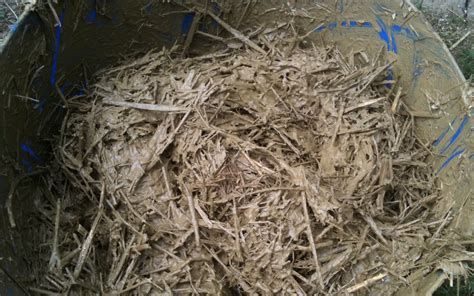
Straw’s hollowness can store and keep air, making it a great insulation. For that it needs to be tight together firmly. Clay creates mass and binds. By mixing the straw to the clay, we obtain a thick mass that will store a lot of heat. We are also using the bind properties of clay to help the straw to stay tight together. By pressing our mix into a home made mold, we will then manage to have blocks of straw and clay insulation.
But first we need to make our mold…
4
What is the size of our insulation blocks?
Published 1yPublished over 1 year ago
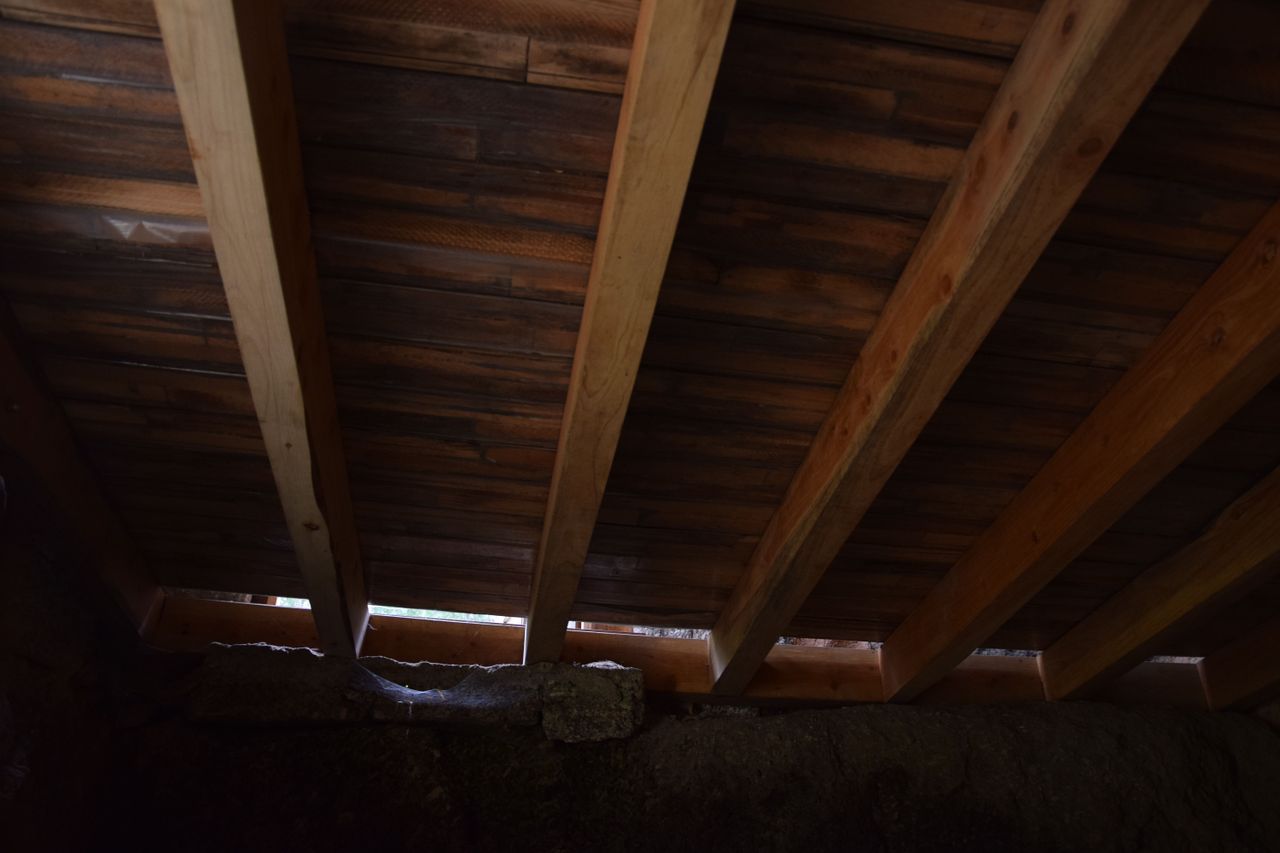
We first got the idea to make our own insulation when we started making the interior of our granite ruin. We thought it would be cool to experiment on the floor. So our pannels home made will be for floor insulation.
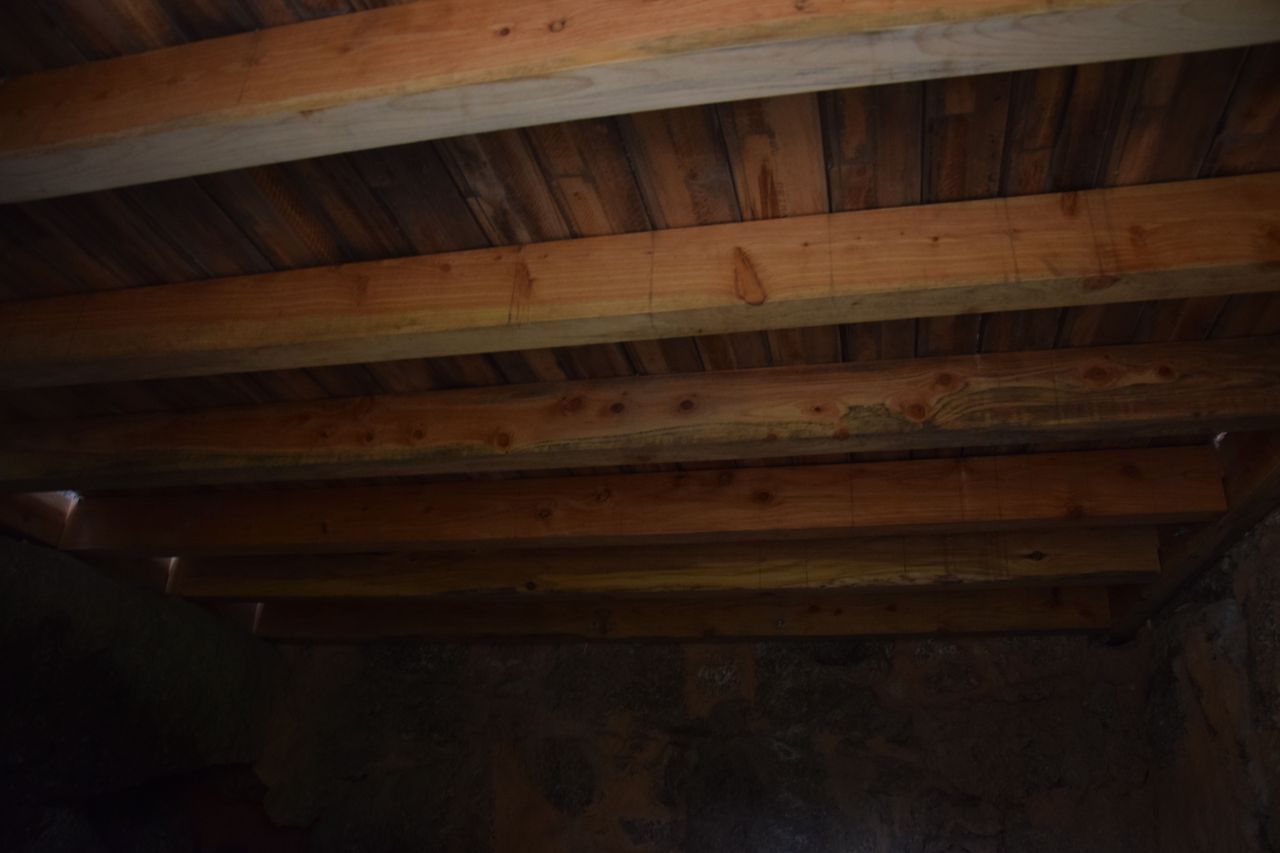
We made our mold according to the spaces between the structural rafters of the floor.
The spaces between our rafters is 45cm and the rafter are 15 cm high.
Our mold should make blocks of 15x45x80cm. 80 cm to have big but holdable pannels.
It seemed like a good size. With this size, only one person is needed to manipulate the blocks. They are not too heavy. They are big enough that we do not need to make too many but not too big that they are too heavy at once. This measurement fits our needs but they aren’t standards.
5
What material to use for your mold?
Published 1yPublished over 1 year ago
Once we agreed on the size of the blocks, we started building our mold…with scrap material around.
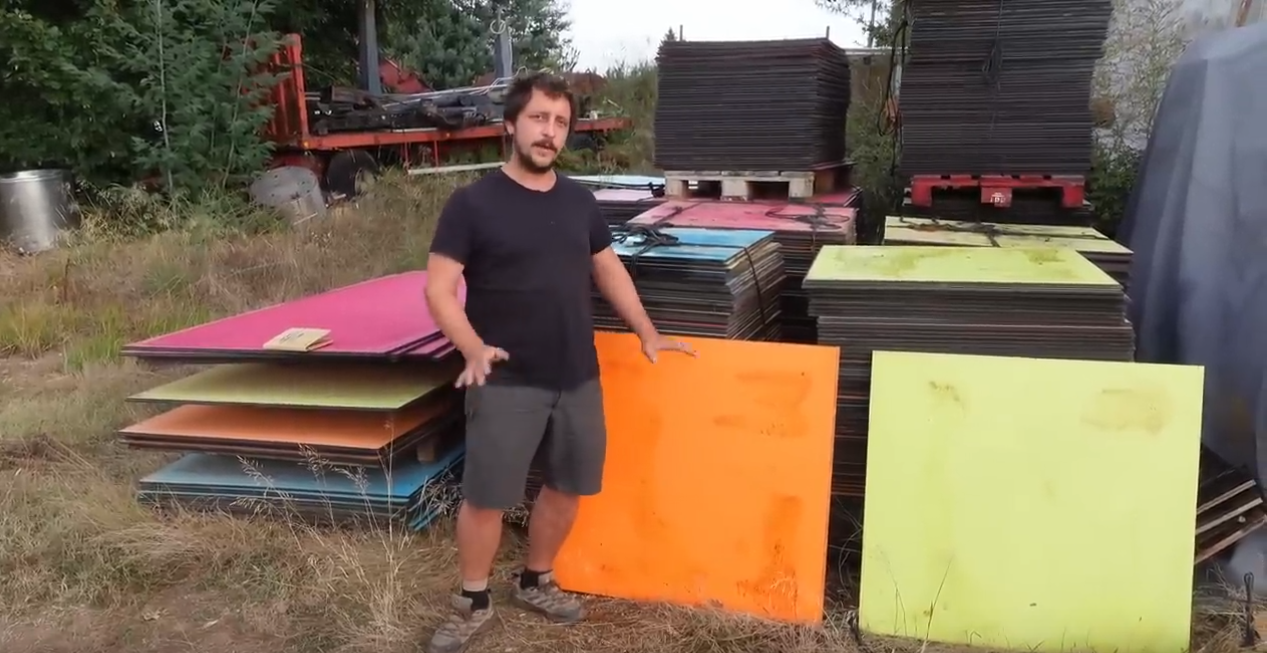
We used HPL (or Trespa* brand). Maybe you remember it from our pig trailer, they are the bright colored outside panels. HPL seems like a good material to make a mold for clay and straw. Because HPL is so resistant to water, it would make it very easy to take the blocks out once they are dried. The HPL wouldn’t have soaked anything, remaining very stable. It is also thick and robust, so it could handle the pressure we apply onto the panels while pushing the clay and straw mix down, compressing it.
And it is a great opportunity for us to finish those panels!
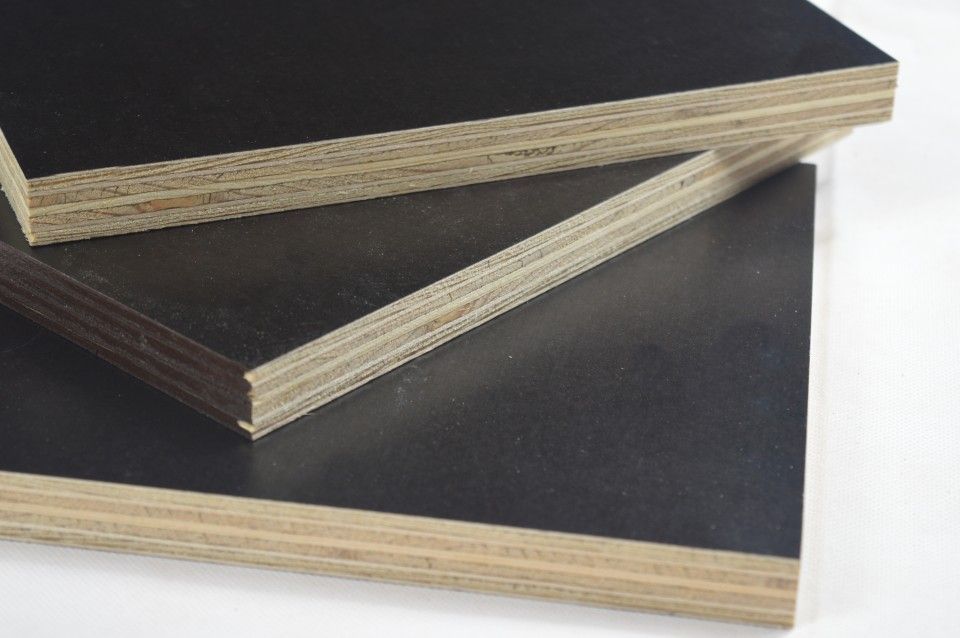
So to recap we chose a water resistant strong material. We had HPL but many materials could work. Some wooden panels like phenolic plywood, or solid thick wooden plank with a good sanding/ fine grain. Anything that will not drink the water out of the clay and inflate. The least porous as possible.
6
How we build our mold?
Published 1yPublished over 1 year ago
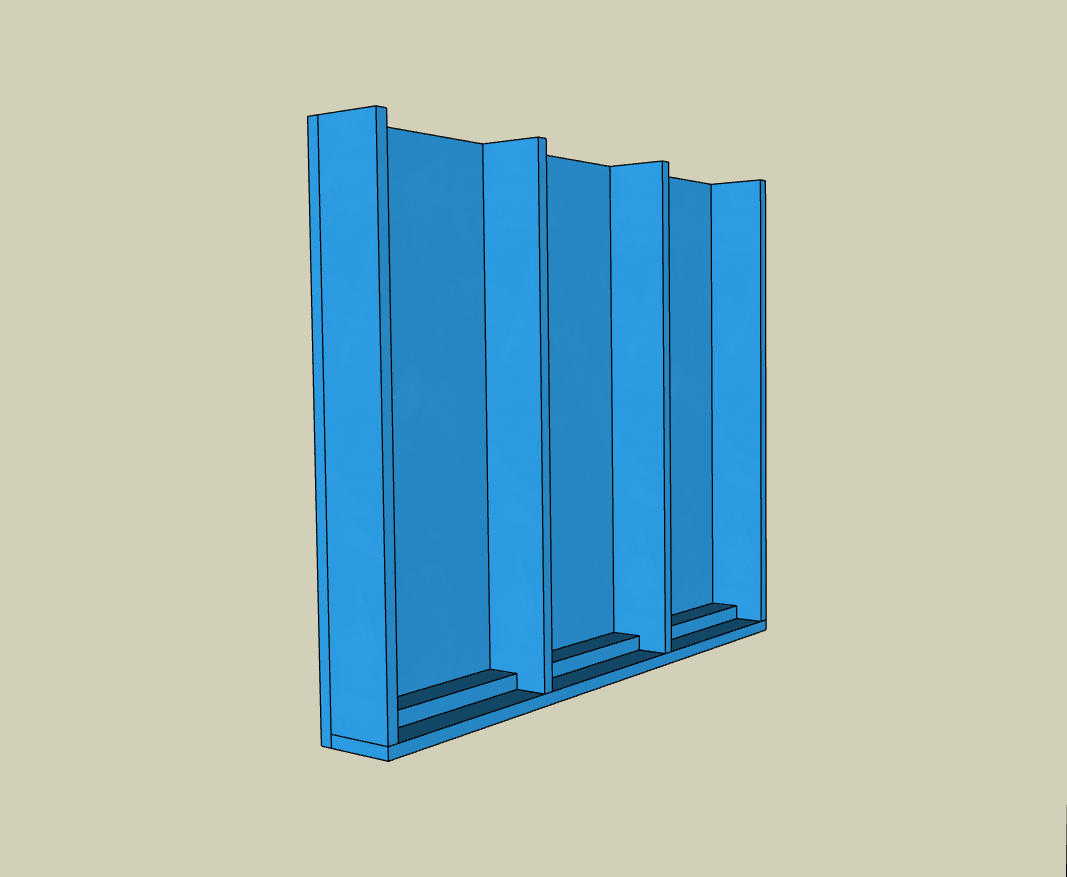
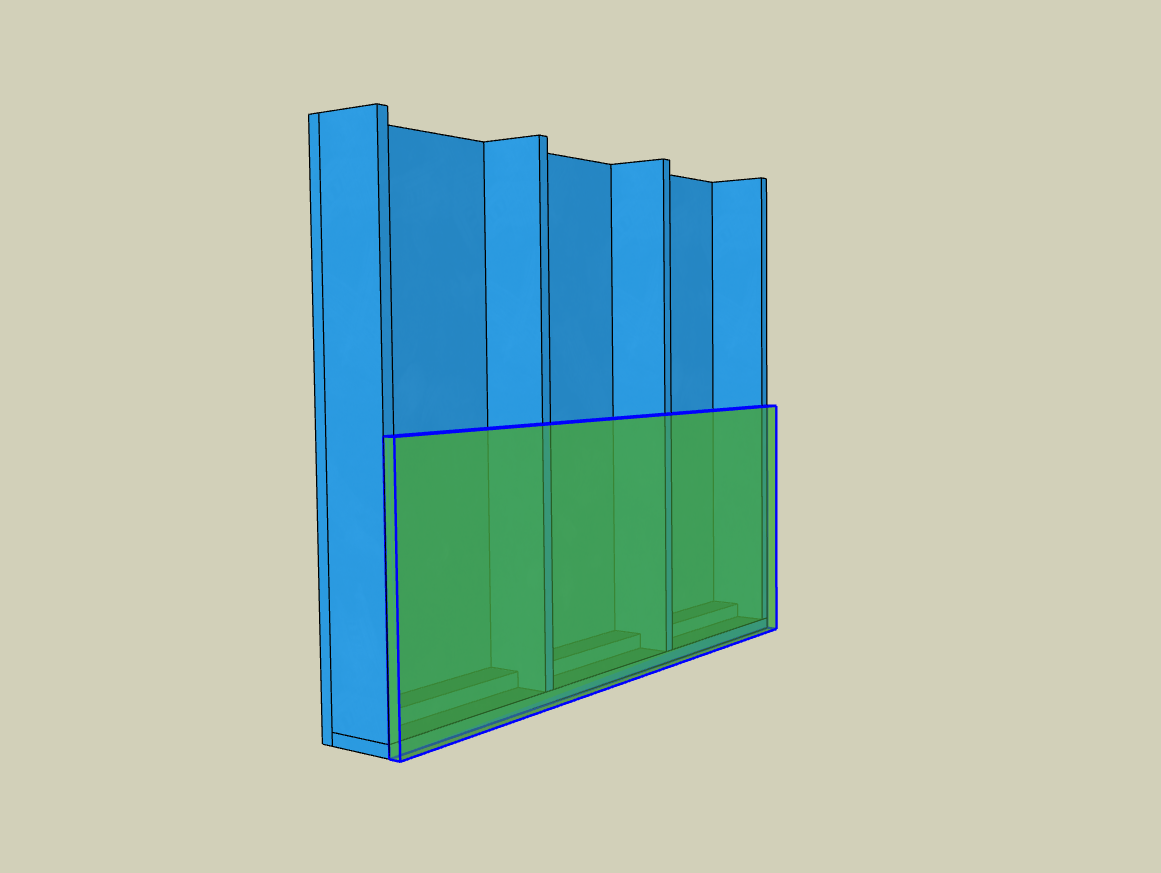
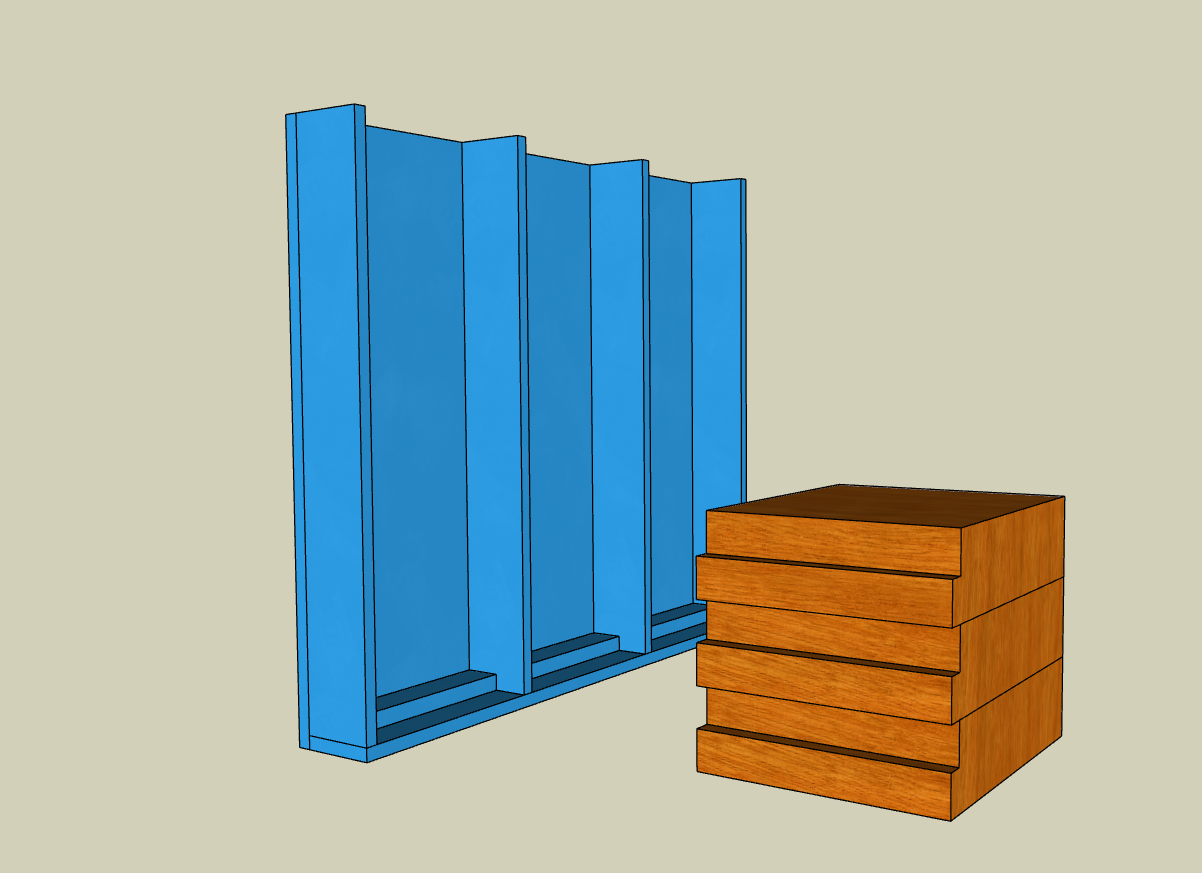
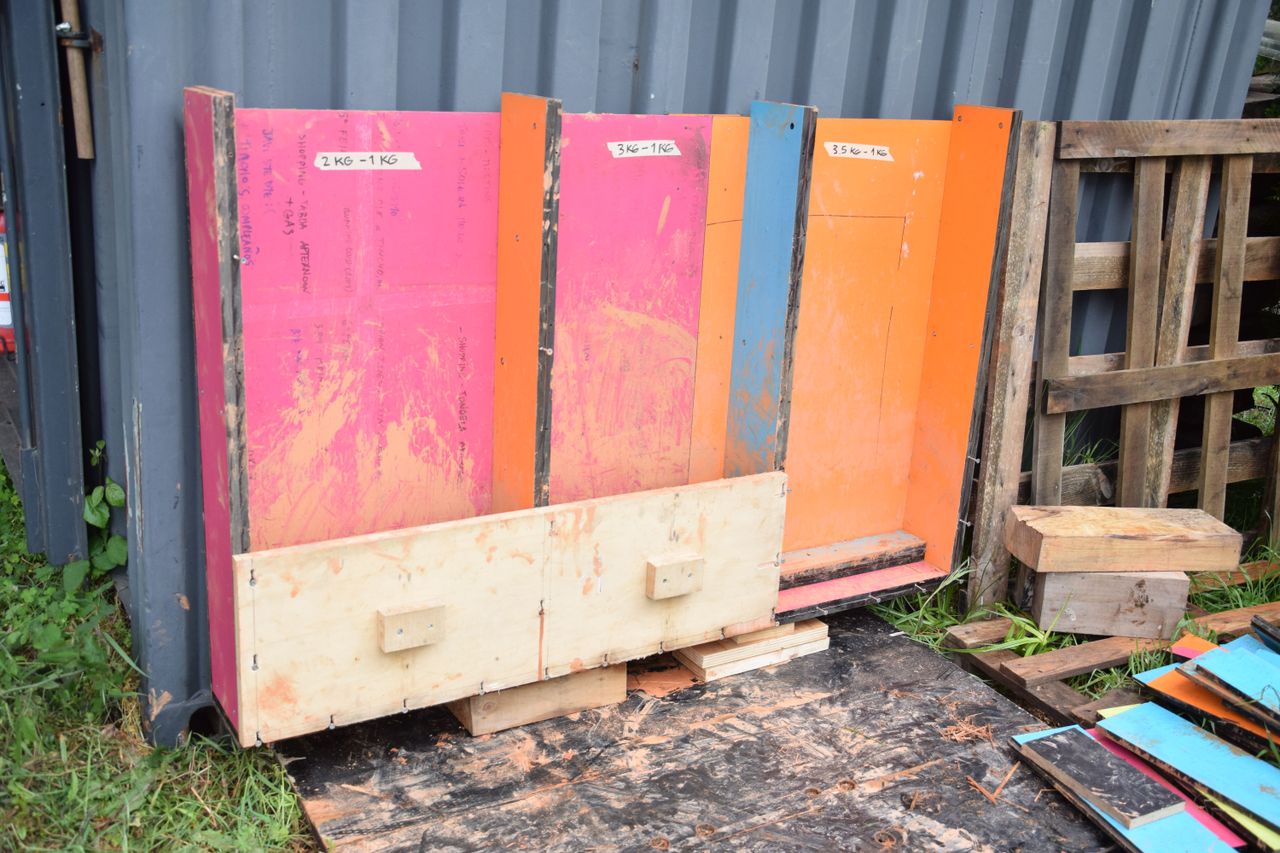
To save up space and material, we decided that our mold would make 3 blocks at once.
Thick of 15 cm, wide of 45 cm and tall of a maximum of 80 cm, our mold stands on its own.
4 dividers, all of 2 cm thick and the 3 spaces of 45 cm (2x4 + 45x3) makes a back panel of 143 cm in total.
Back panel : 1x82x143
4 Dividers : 2x15x80
Bottom panel : 1x15x143
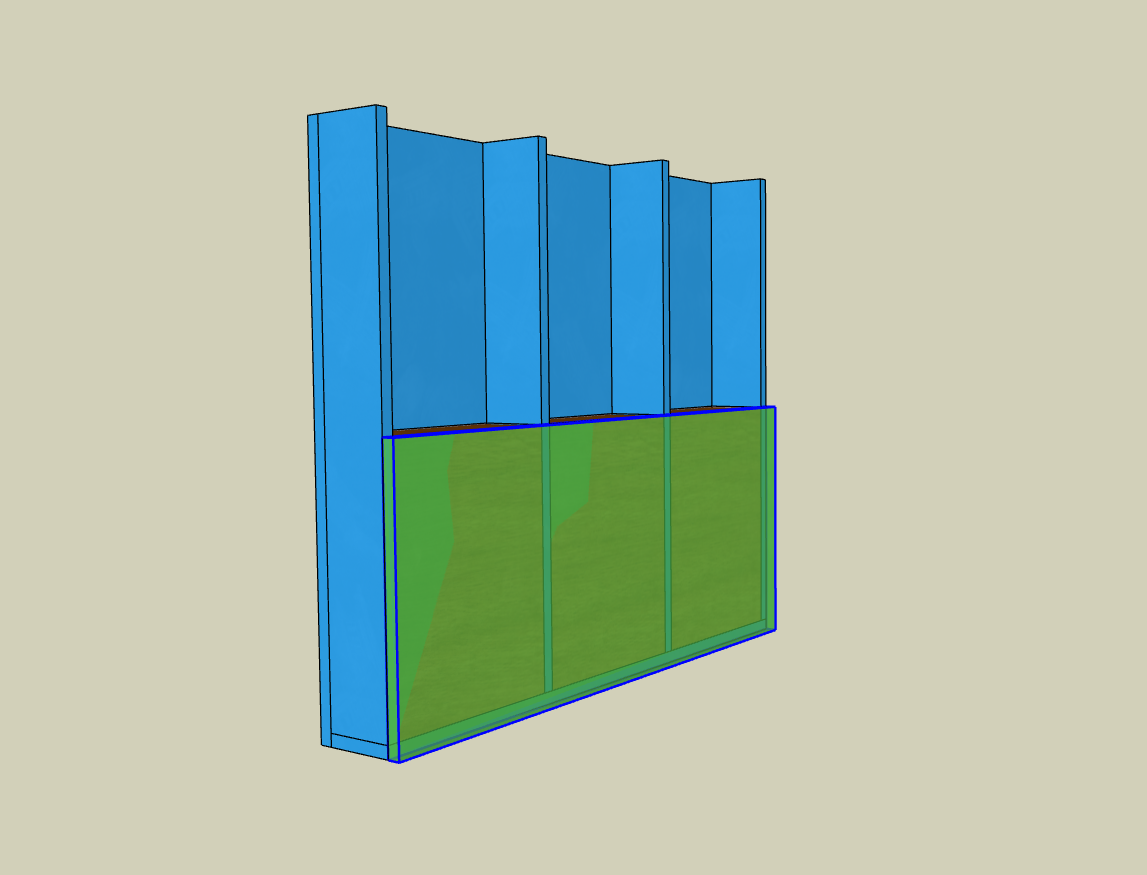
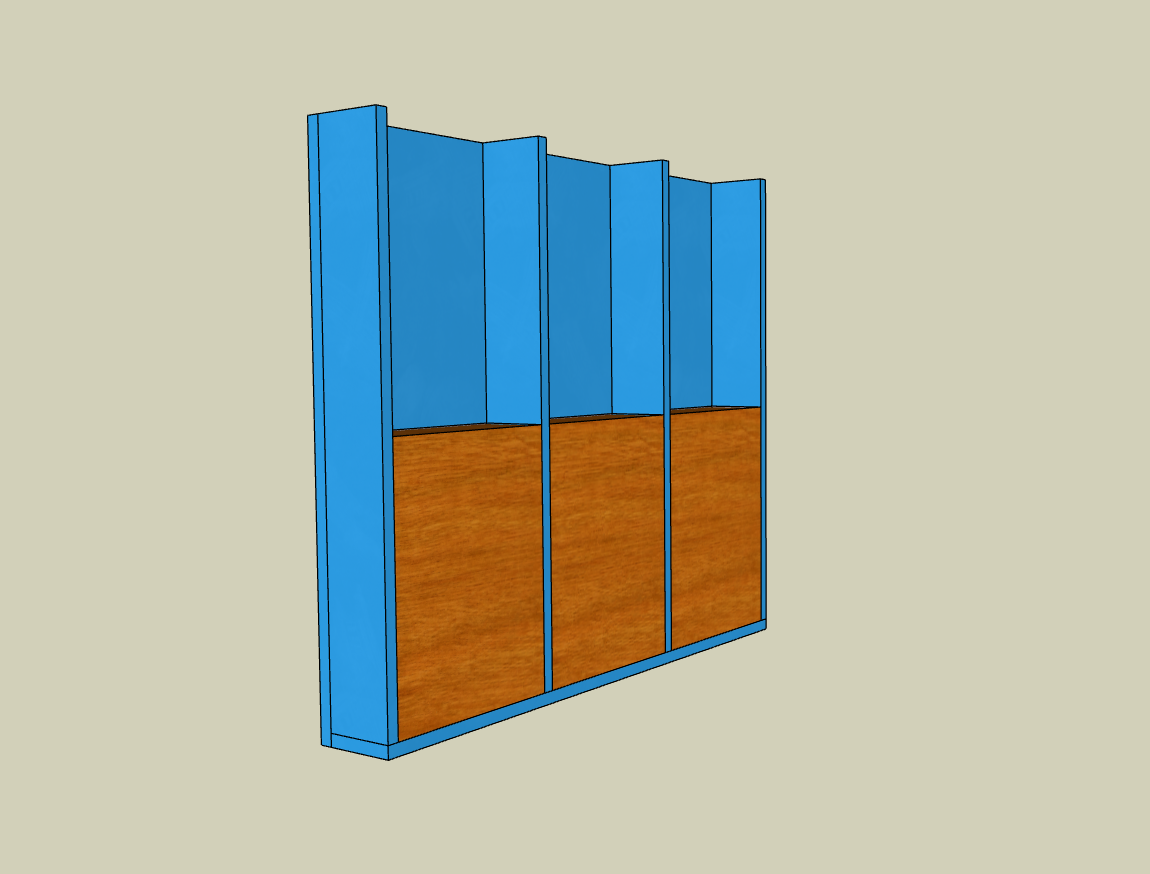
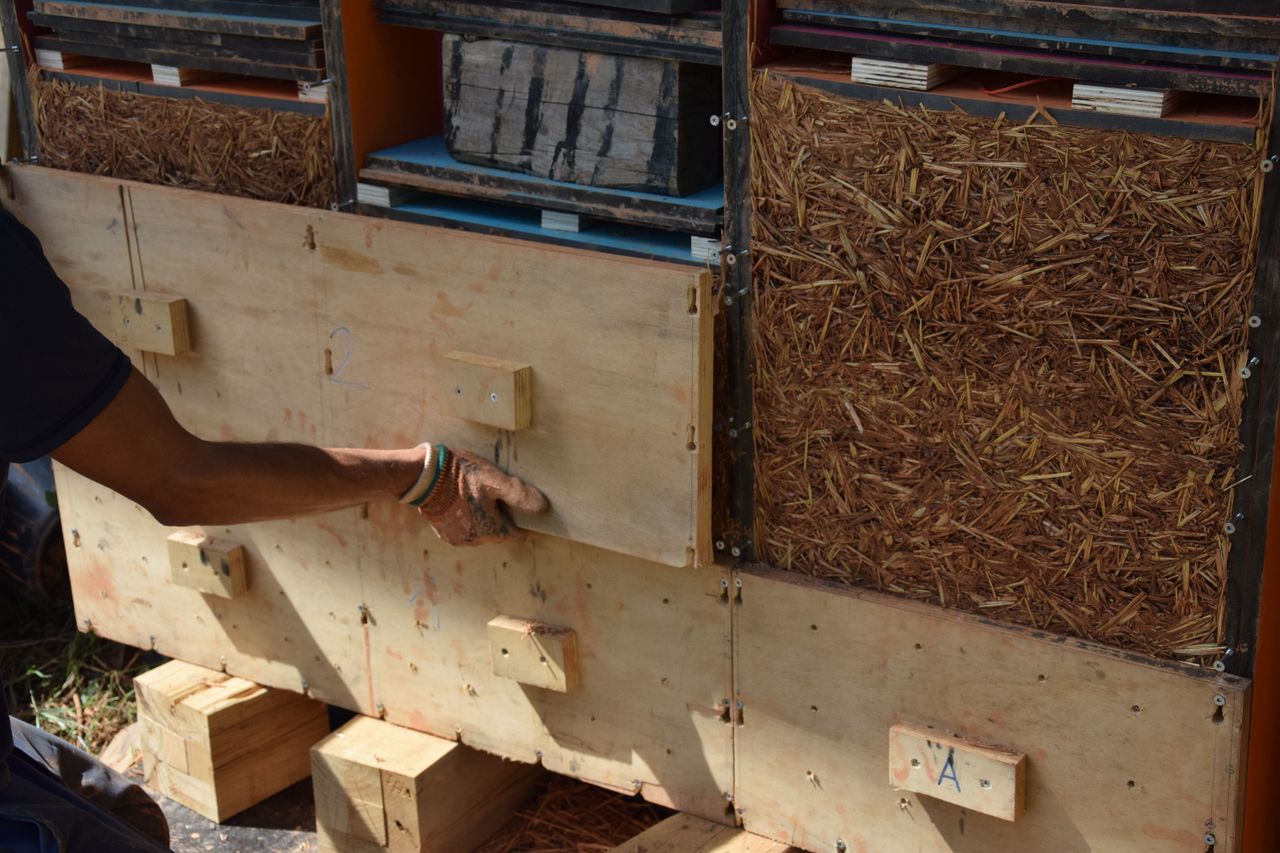
Already with this, you have the shell of your mold. The next is to design some front panels that can come and go easily. When staking and compressing the straw and clay, we are making our whole mold very dirty, humid, clay-y so you want to have a good system that will not get slowed down by all this dirt and crass. We went with a system of sliding them inside screws. (see illustration or photo)
With panels of 27cm high, we can slide them in the front of the mold gradually, following the rising of the straw and clay mix.
7
How to prepare materials before filling the molds?
Published 1yPublished over 1 year ago
The Straw
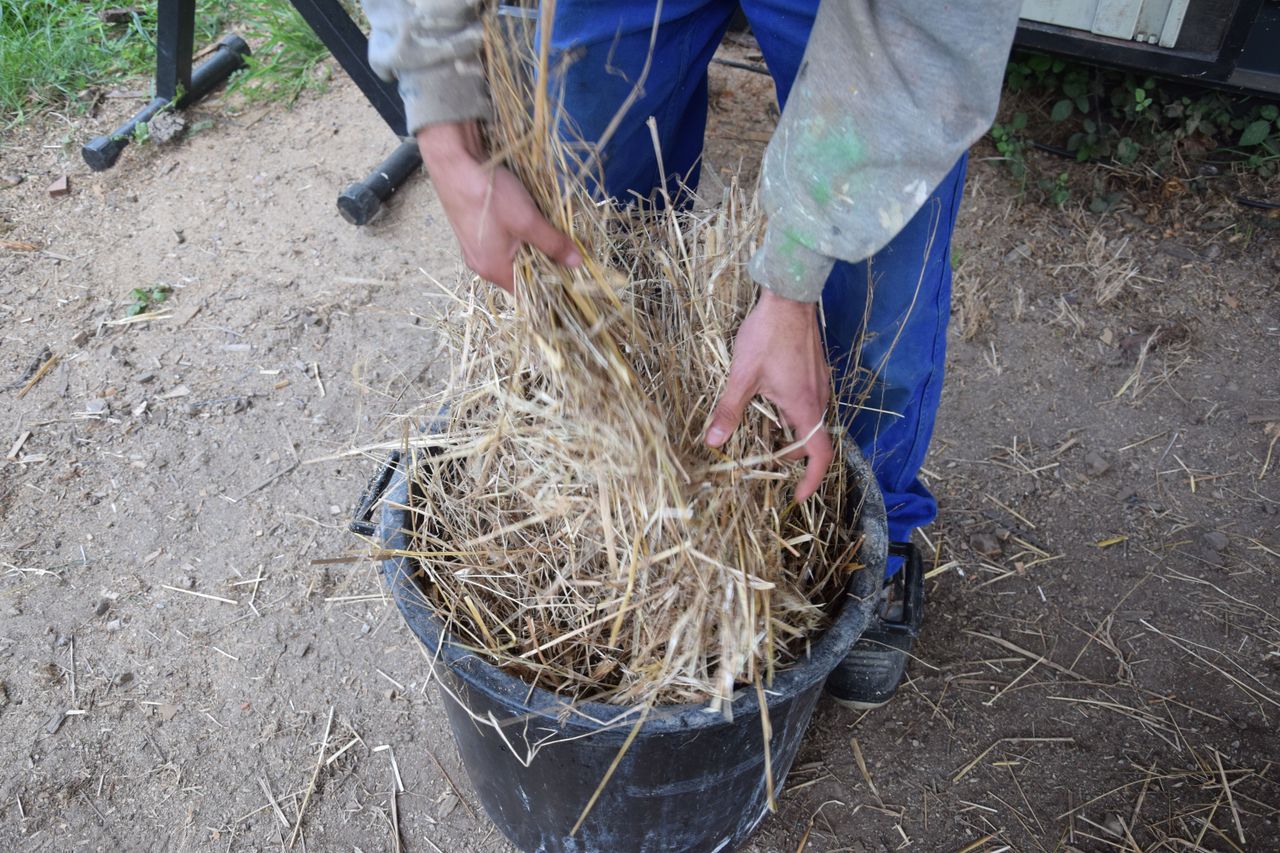
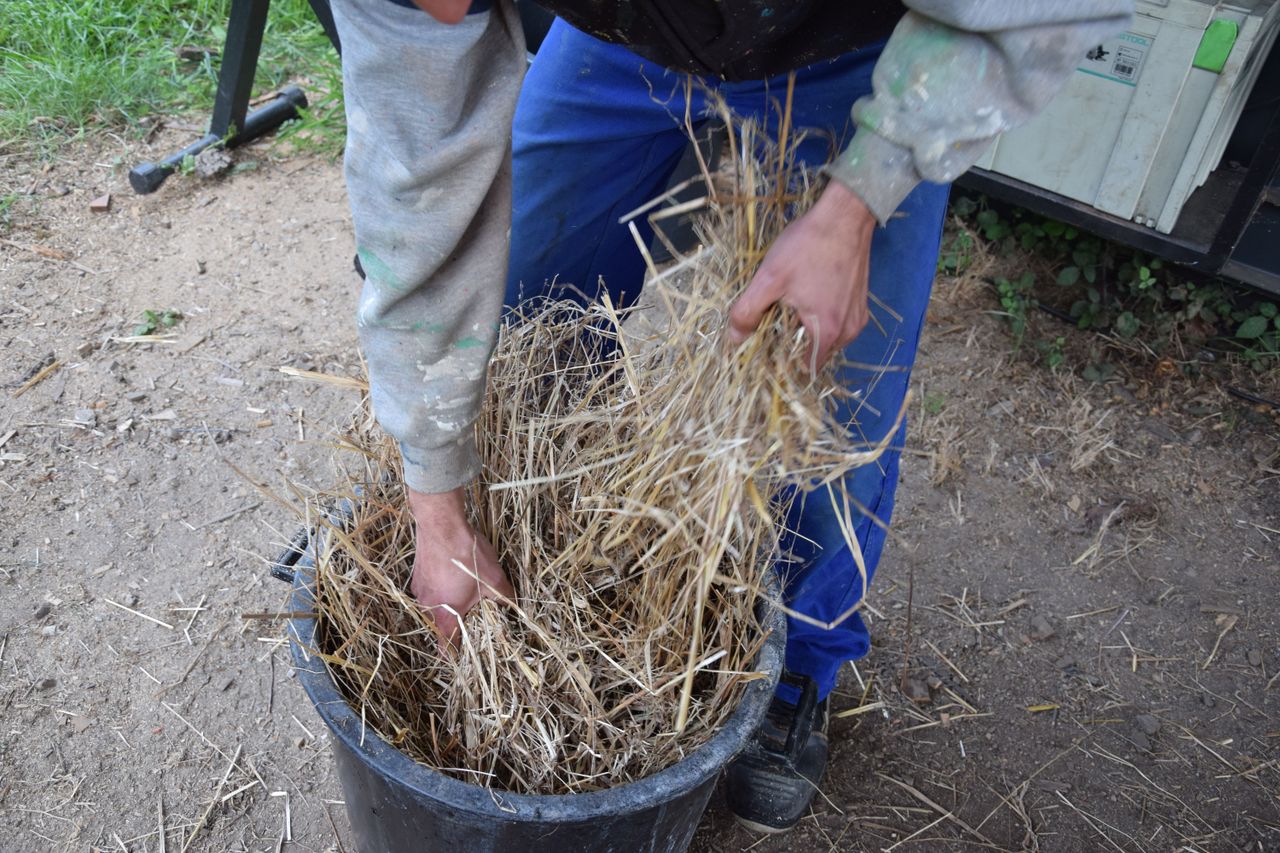
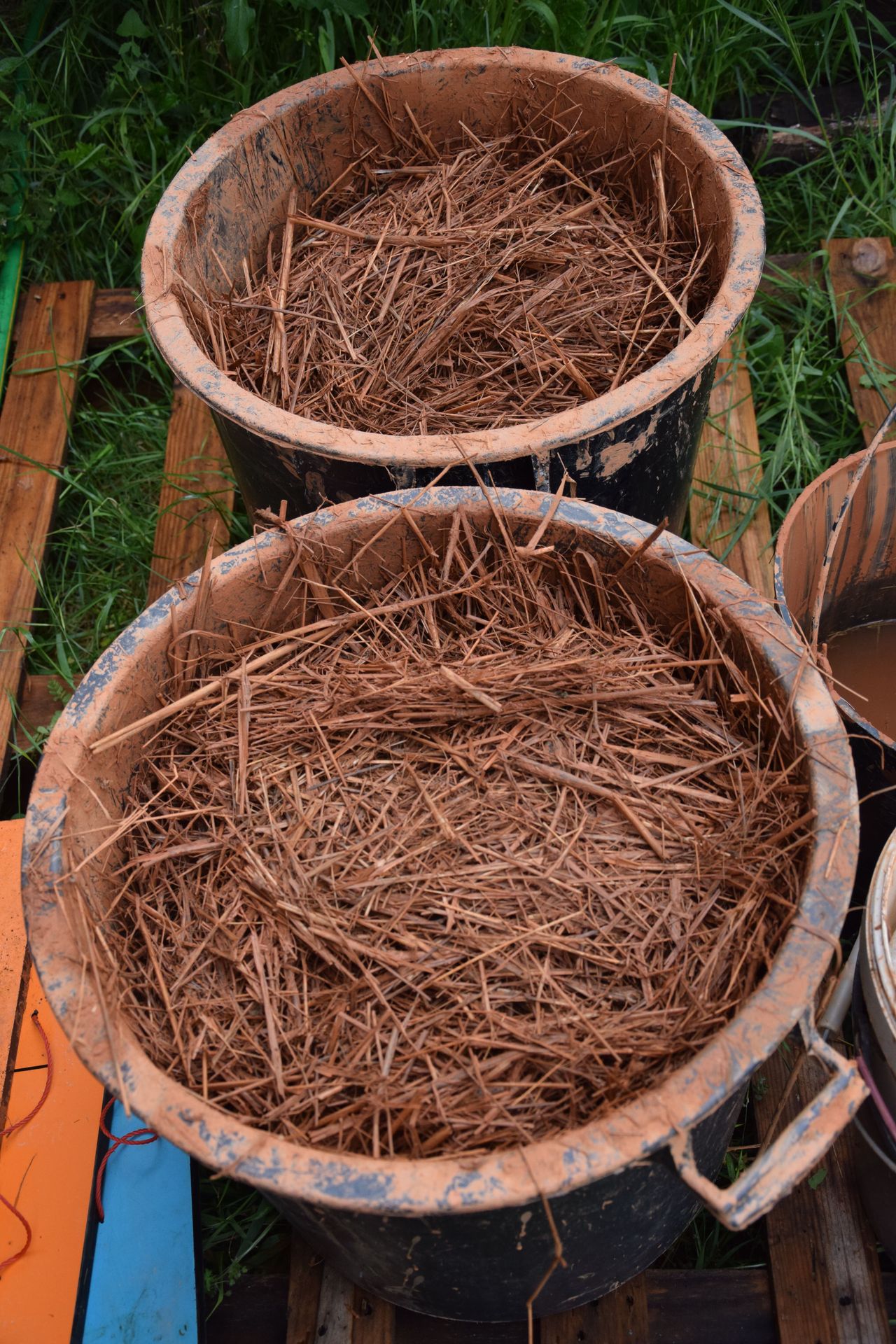
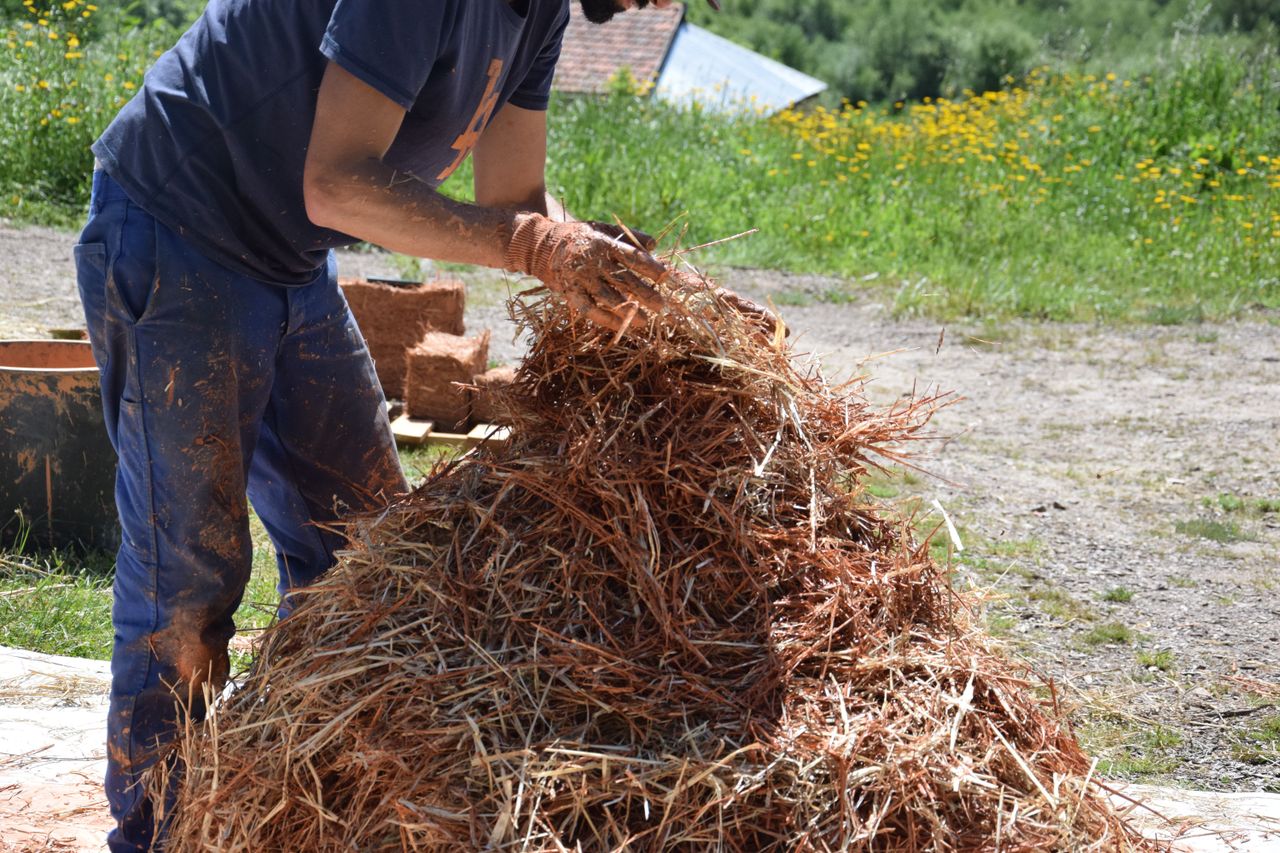
You get your straw from big bails that are compressed in field machines. They are so tight that they form a big agglomerate of straw. You want to break off the pieces to have all the straws loose from each other. Aire them out, by doing that, they will take more space and capture more air. They also will be able to be mixed with the liquid clay.
The liquid clay
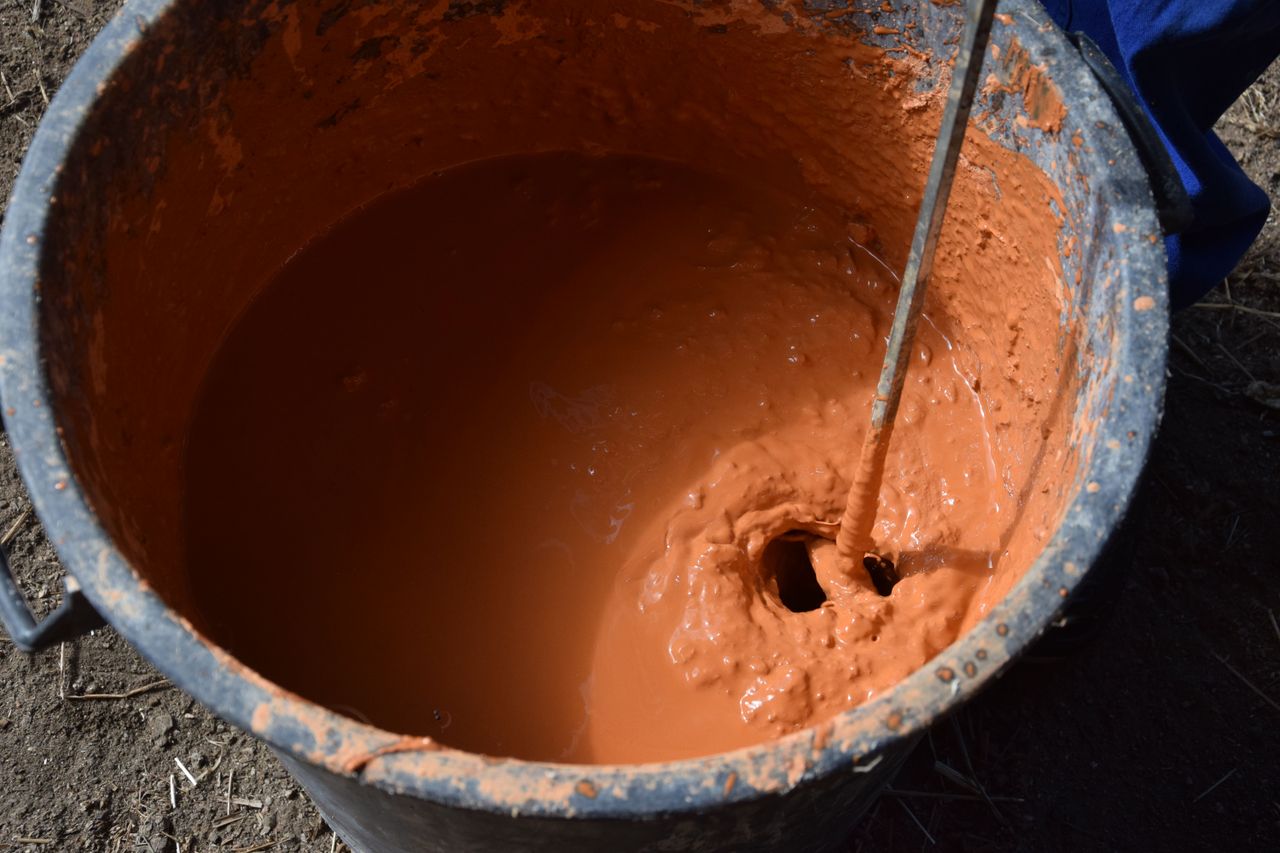
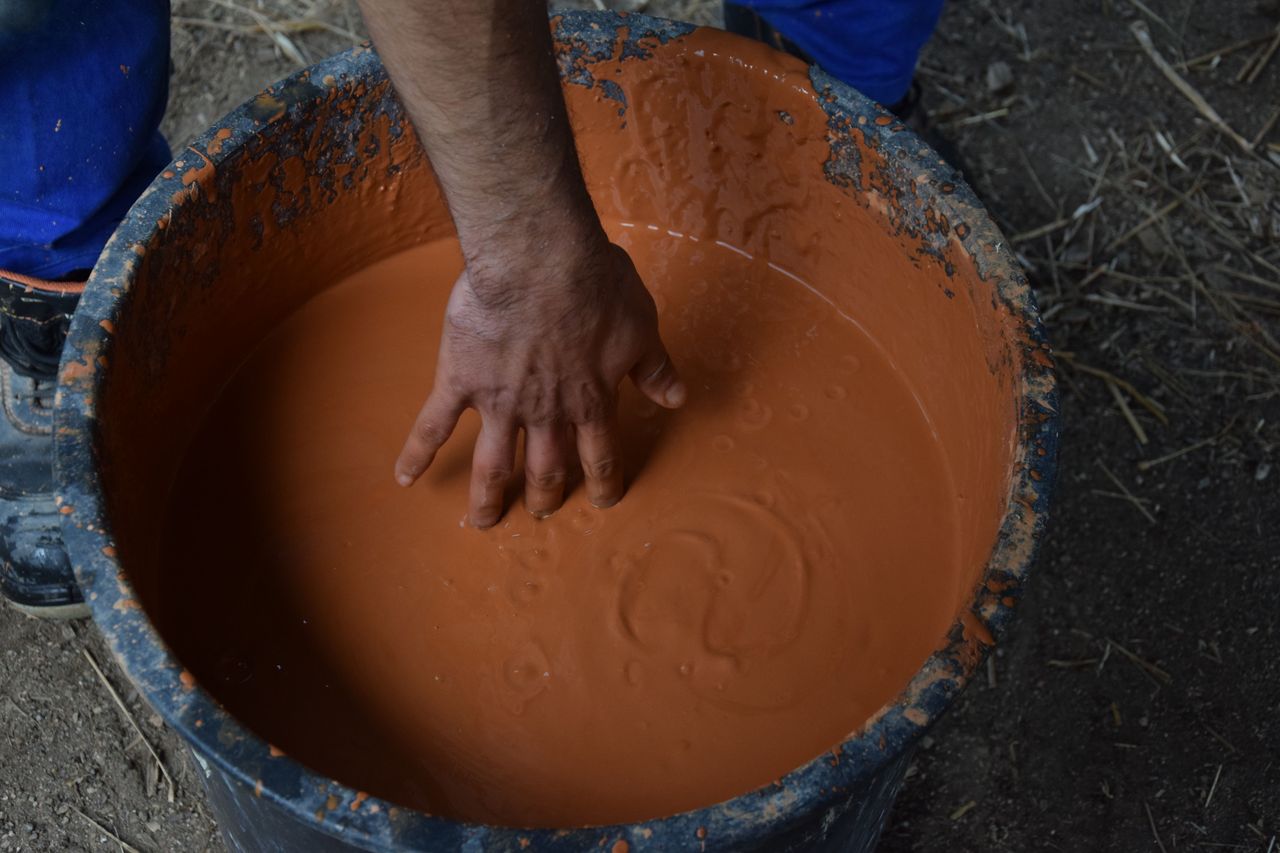
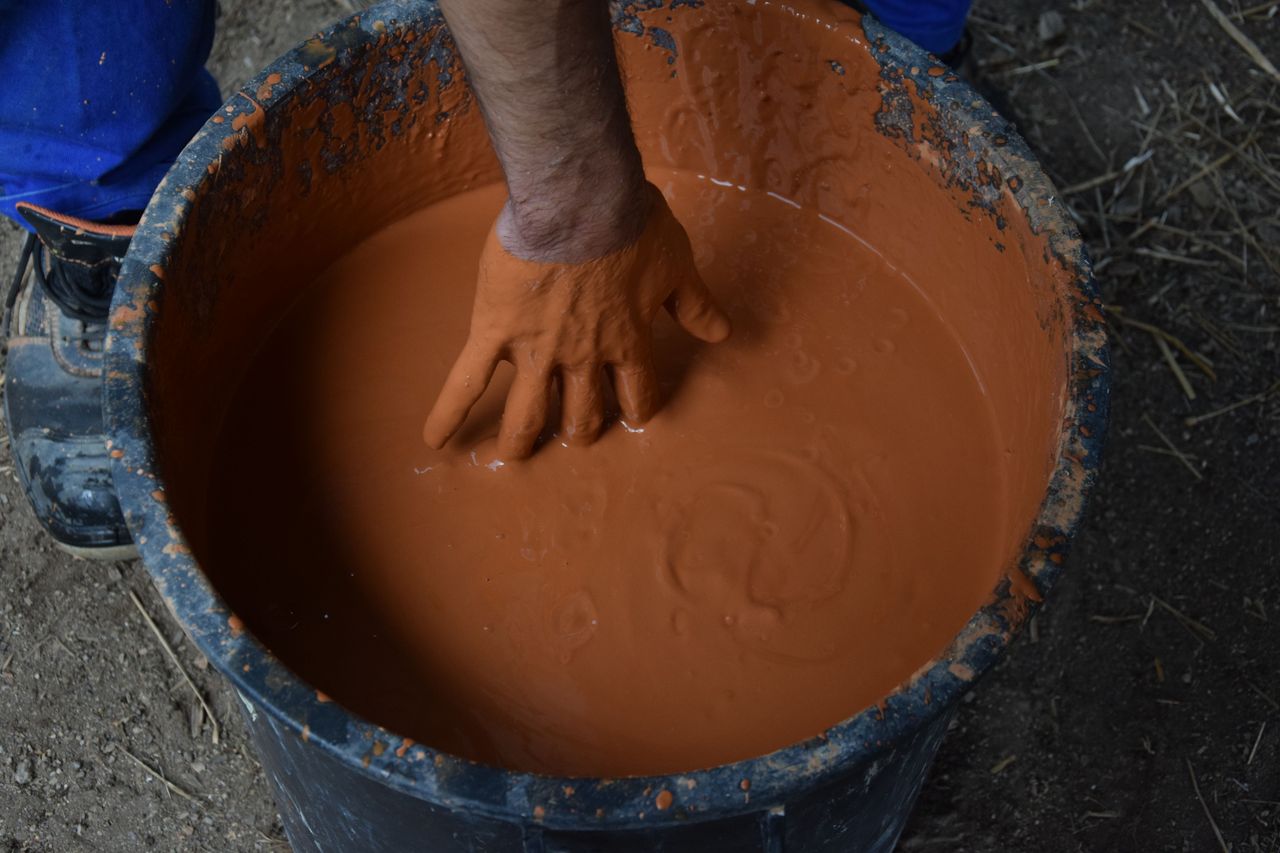
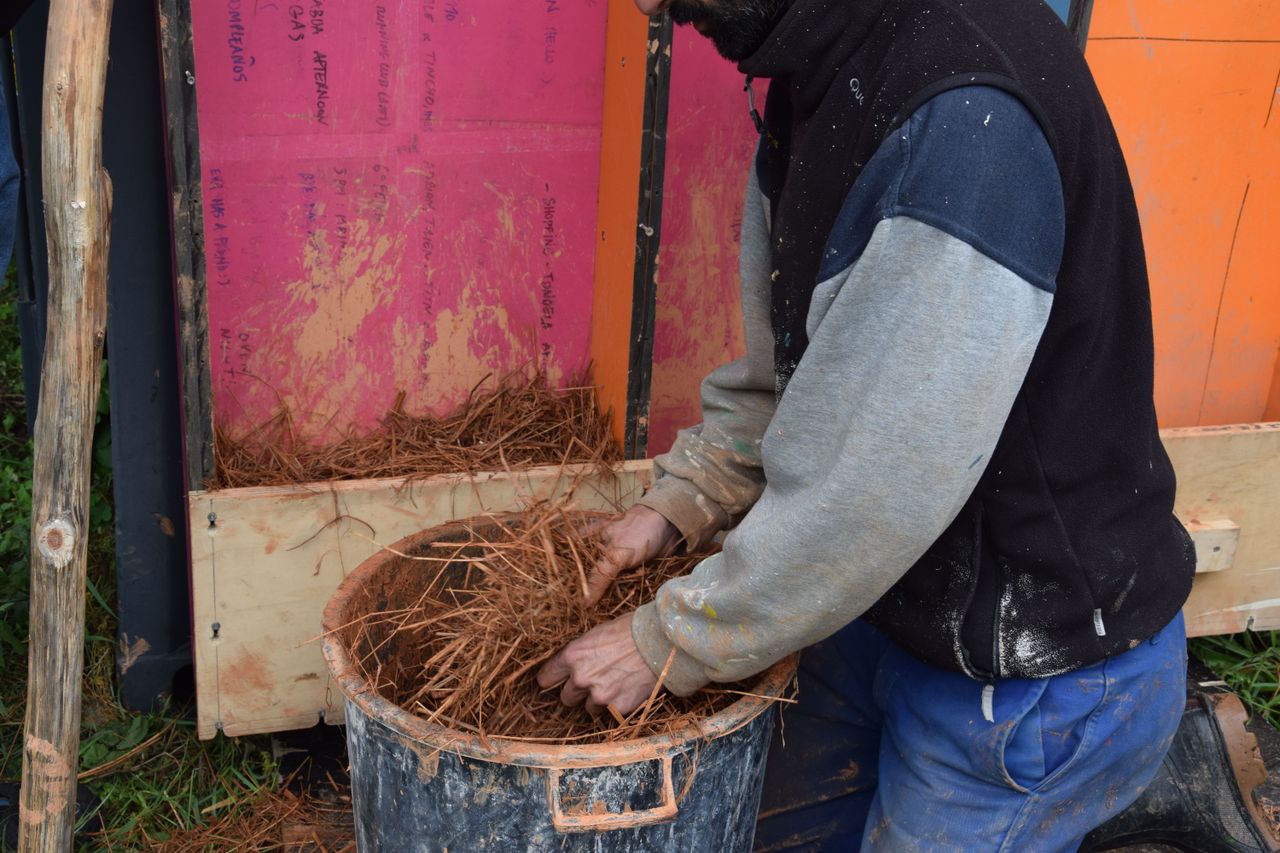
For us, we got our clay as a powder with big chunks from humidity. To transform it, we put them in big buckets and pour water over. We let it sit and come to mix it regularly before usage. We check that the mix is good by doing the glove test.
The glove test:
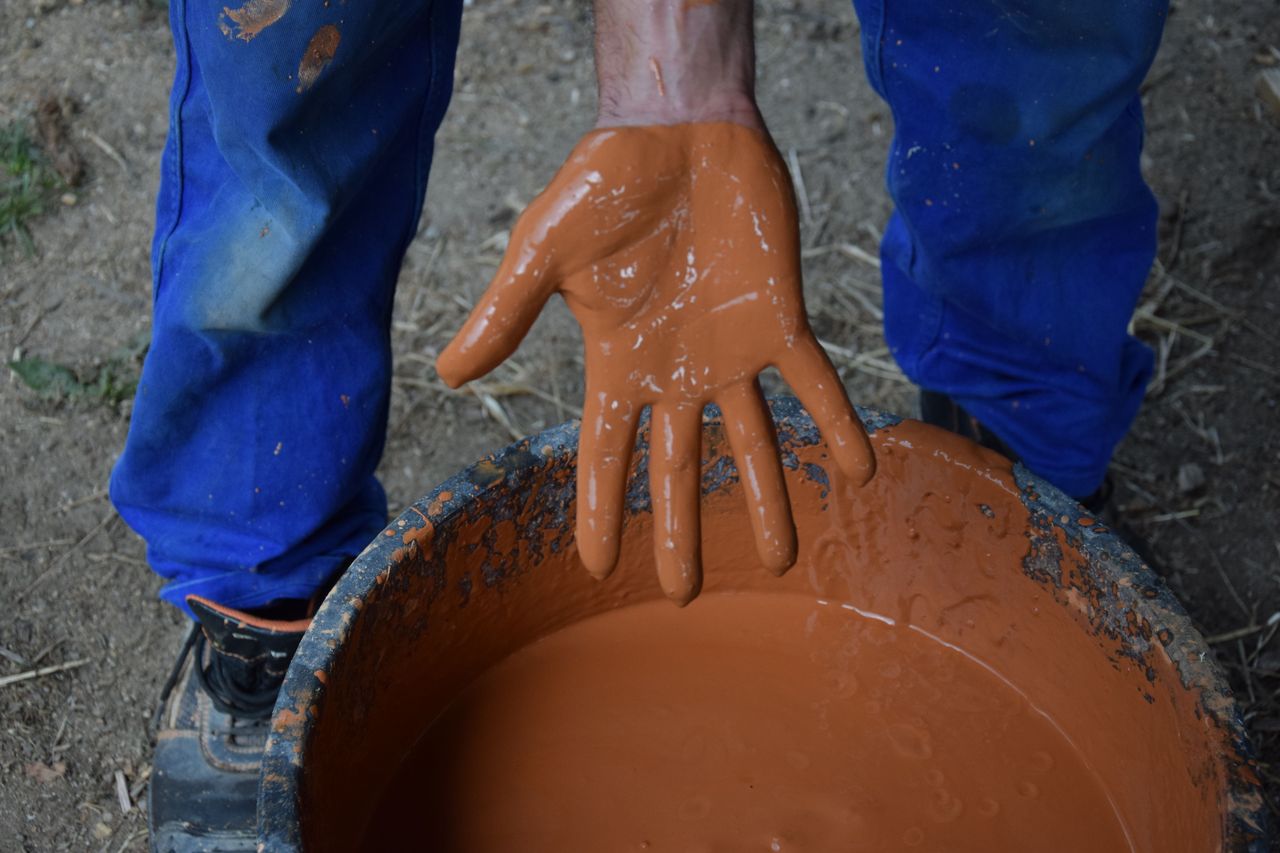
After mixing your clay with water, pour your hand in the mix. You want the clay to stay on your skin like a glove, without any lumps. If the mix is translucid and slide off, it is too watery. If the mix is thick and you see lumps, it need more water.
You want a thin glove of liquid clay around your hand when you take it out. Like in the photograph.

8
How to test which ratio is the best suited for our use?
Edited 1yPublished over 1 year ago. Last edit over 1 year ago
So we have our perfect chocolate textured liquid clay and our very aery straw. Now we need to make some tests to figure out what is the best mix for us.
On the internet, we found a ratio:
1kg straw for 6kg of liquid clay.
Based on this information, we made some tests.
Test 1:
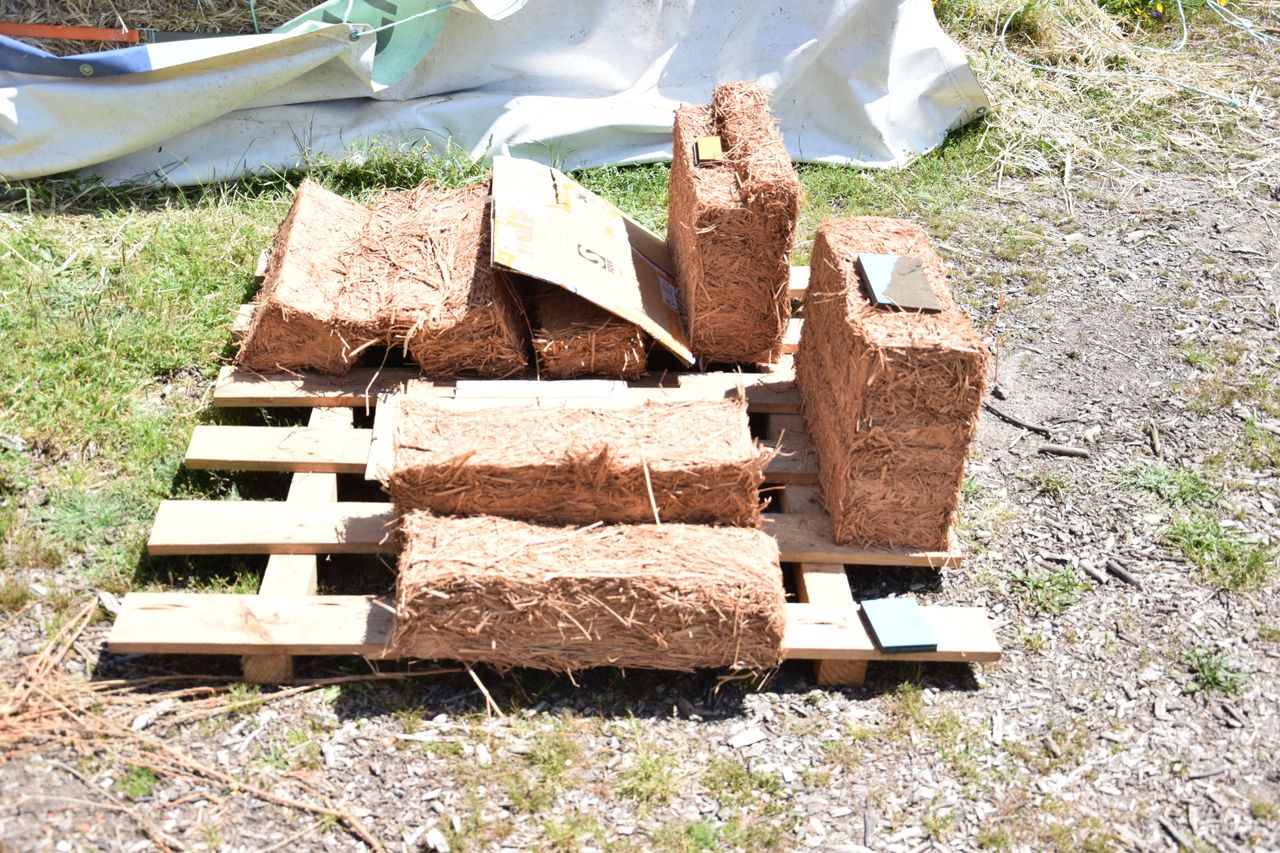
In our mold, we would test 1kg straw for 4kg, then 6 kg then 8kg. The 1st phot shows the 1:6 on the left and the 1:4 on the right.
Result: The 1:4 was great, light and compact, the 1:6 was good too, solid and quite full, a bit heavy and the 1:8 was a disaster: too heavy and it crumbled into our hands because it couldn’t not dry at all.
We loved the 1:4 the best because the result was light and functional. We decided to make more test to find out if it was possible to go lower.
Test 2:
In our mold, we would test 1kg straw for 2kg, then 3 kg then 3.5 kg.
Result: The 1:3 and the 1:3.5 worked great, lighter and lighter, Which is a good thing for us because it is a floor insulation, so all the weight will be spread onto our room. We want to get lighter. The 1:2 was also conclusive but a bit to soft, not enough clay to harden. Or could it be that we need to ram even more strongly?

9
Deduction from the tests : Which ratio do we go for?
Edited 1yPublished over 1 year ago. Last edit over 1 year ago
The tests made us decide to go for a 1:2 ratio. So, for all mixes we will have 1kg of straw for 2 kg of liquid clay. The test of the 1:2 ratio was a bit soft but it felt like we could make it work by ramming harder, with more equipped tools.
Measuring the size of the samples we made and comparing it with our mold, we calculated that we could make the ratio X21.
To fill all of our mold it takes: 21kg of Straw and 42kg of liquid clay.
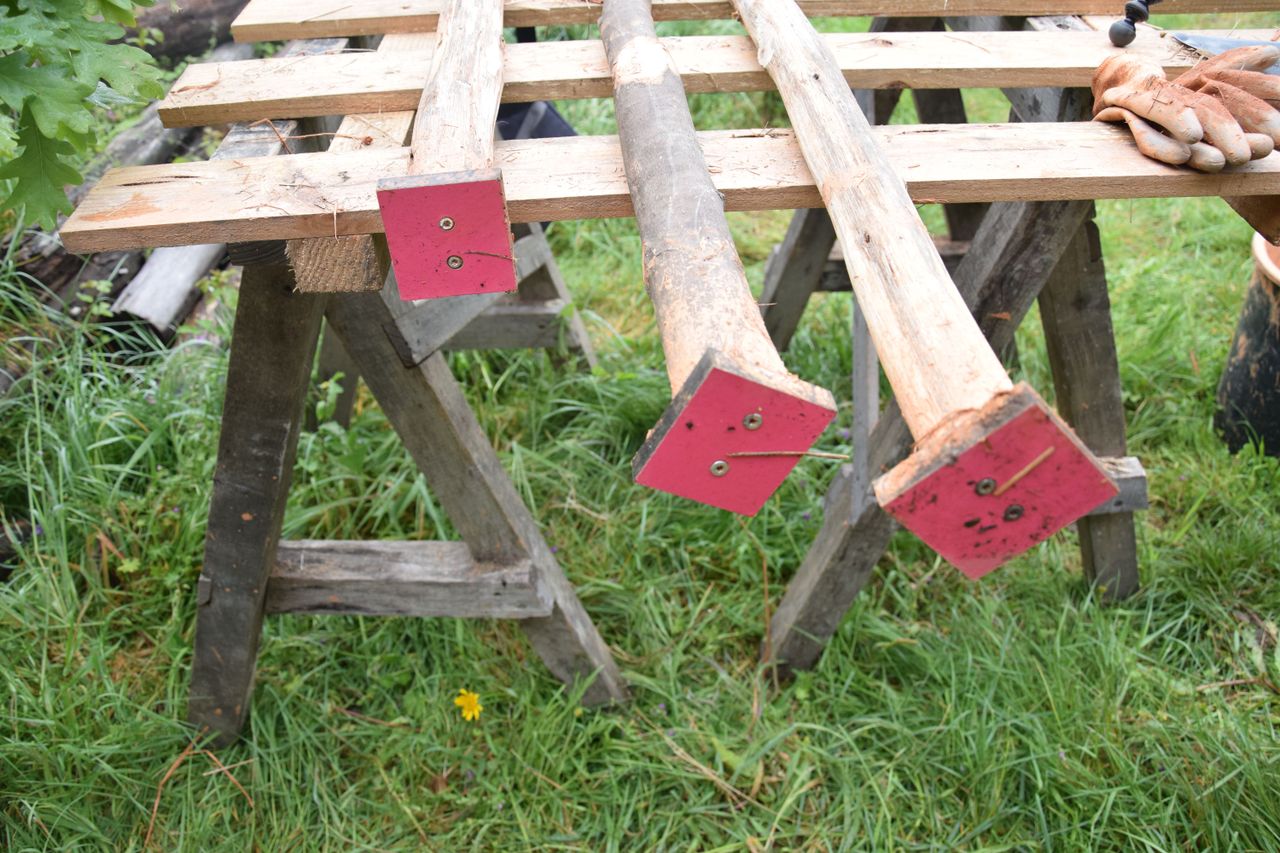
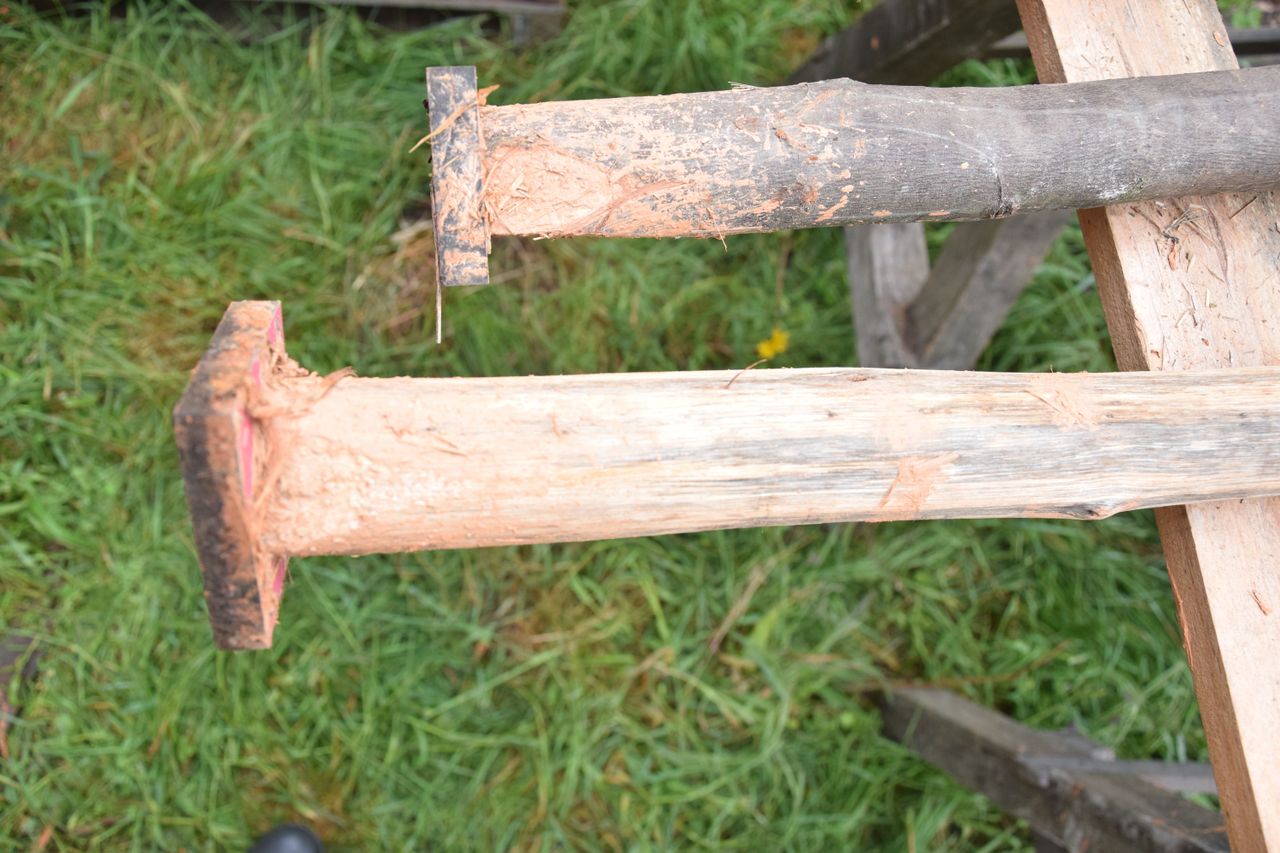
To ram harder, we made those long sticks with a square end to ensure a proper ramming all the way to the deepest corner of our mold.
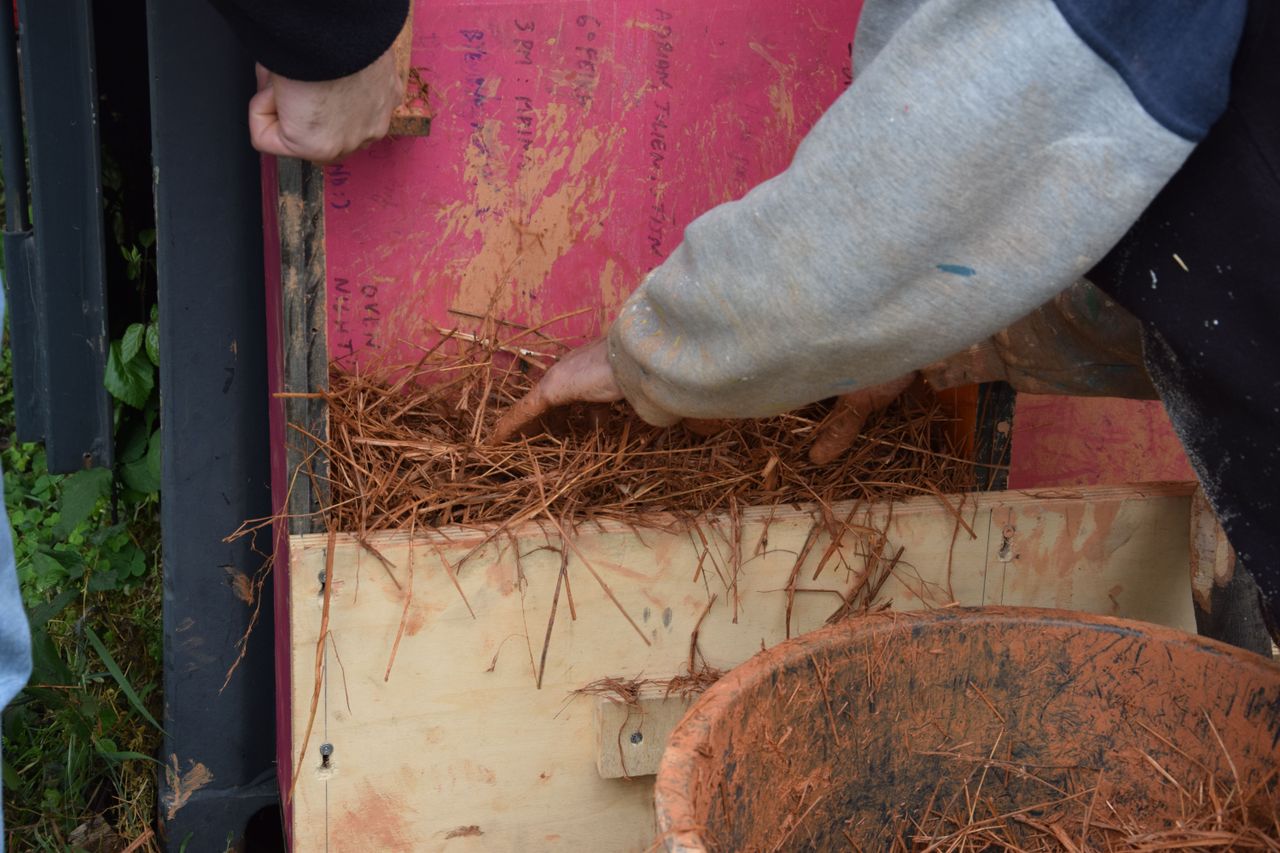
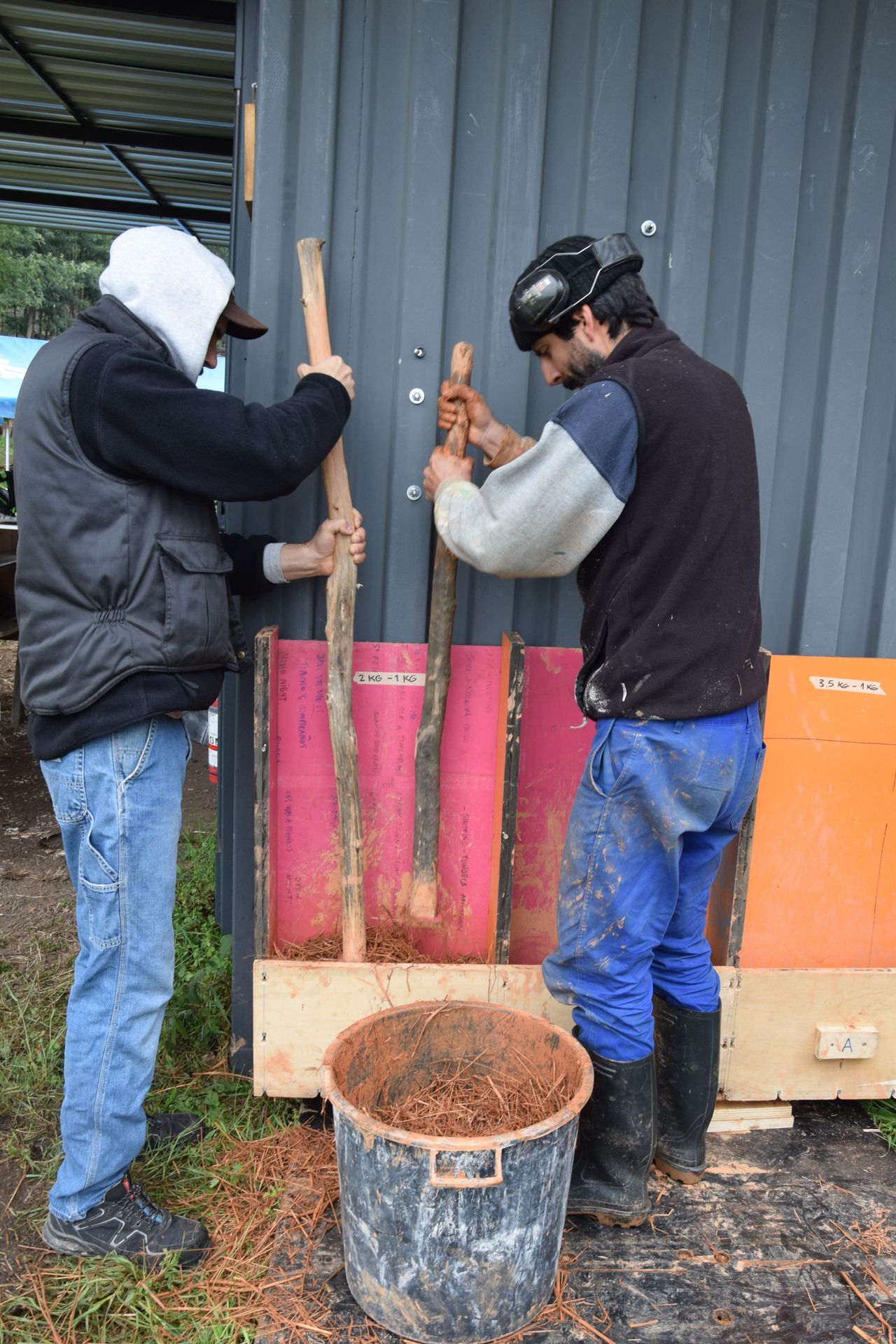
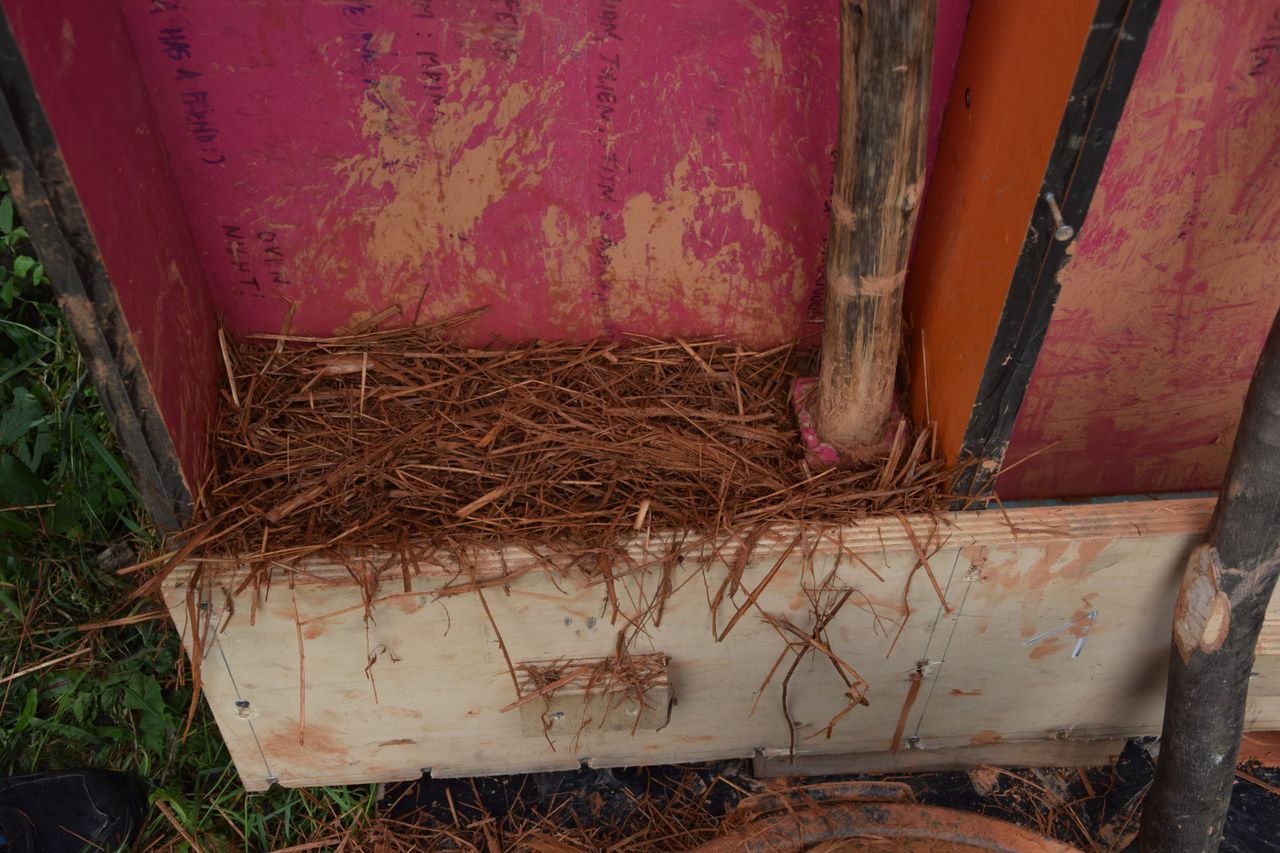
10
Starting the production: upscaling our system
Published 1yPublished over 1 year ago
Now that we have our ratio, we need to organize ourselves and upscale our system.
Each mold is 21kg of Straw and 42kg of liquid clay. The first thing we did was to measure with our own tools so that we won’t have to weight every single time.
For example, we calculated that in a big 100L bucket (the same one we use for our toilets :), we could fit exactly 3kg of straw at the max capacity. So then we knew that for each mold we had to have on a tarp the equivalent of 21kg of straw = 7X 3kg of straw so 7 buckets of straw per mold.
Same for the liquid clay, we calculated that one small bucket is 18 kg of clay when full. So to get to 42 kg of clay, we knew we needed 18kg + 18kg + 6kg = 2 buckets and a third of one.
So we made a little sign to not go crazy.
GOES IN ONE MOLD: 7 big buckets of straw and 2 and ⅓ small buckets of liquid clay.
Since we had two molds, we then had to do it 2 times every time.
Our setup was the following:
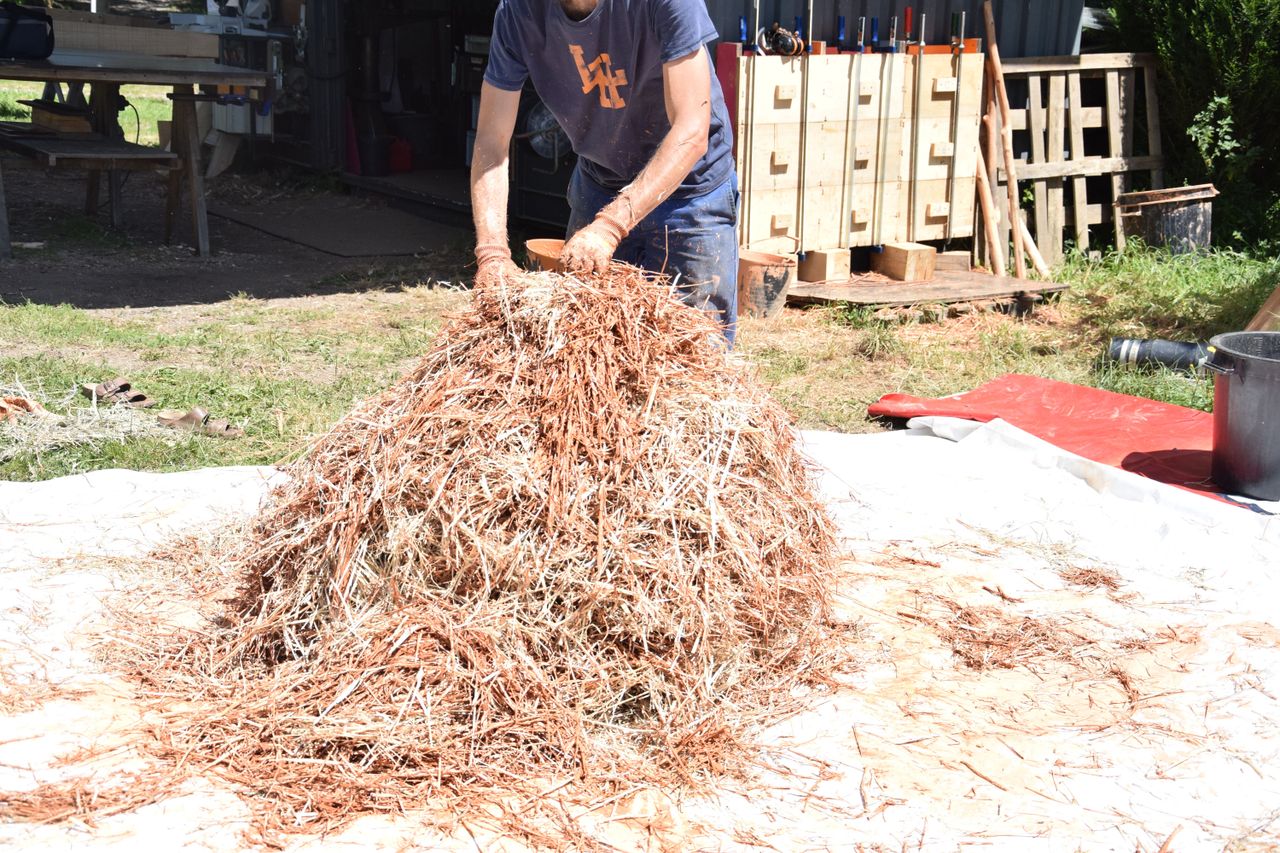
Outside (because we don’t have an inside) we had our two molds by the container. They had to be always full.
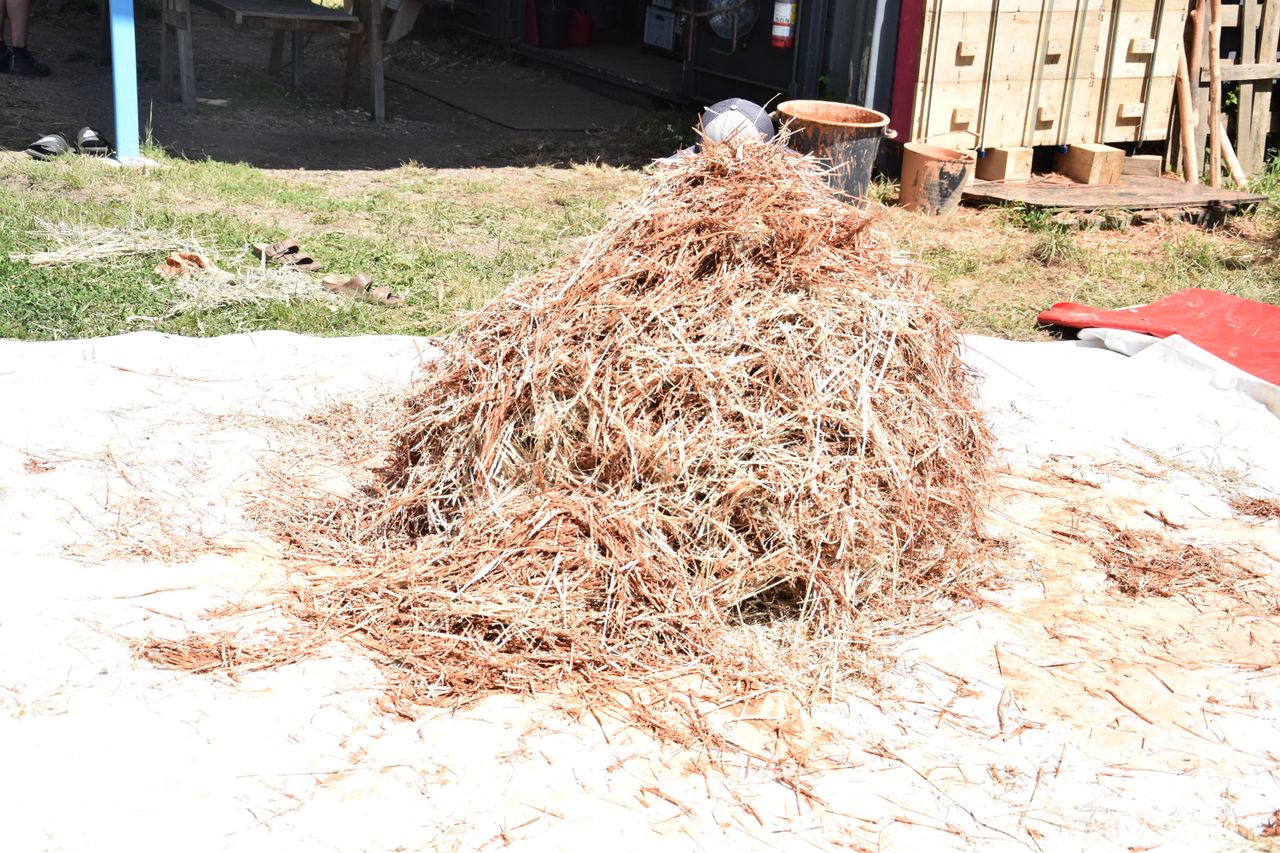
Next to it, a tarp where we do our mixes. Big so that we can cover it as soon as the mix is done.
On the other side, our raw material. Our straw bail, ready to be tarped up whenever the rain comes and our clay bathing in water if not already mixed and ready to be used.
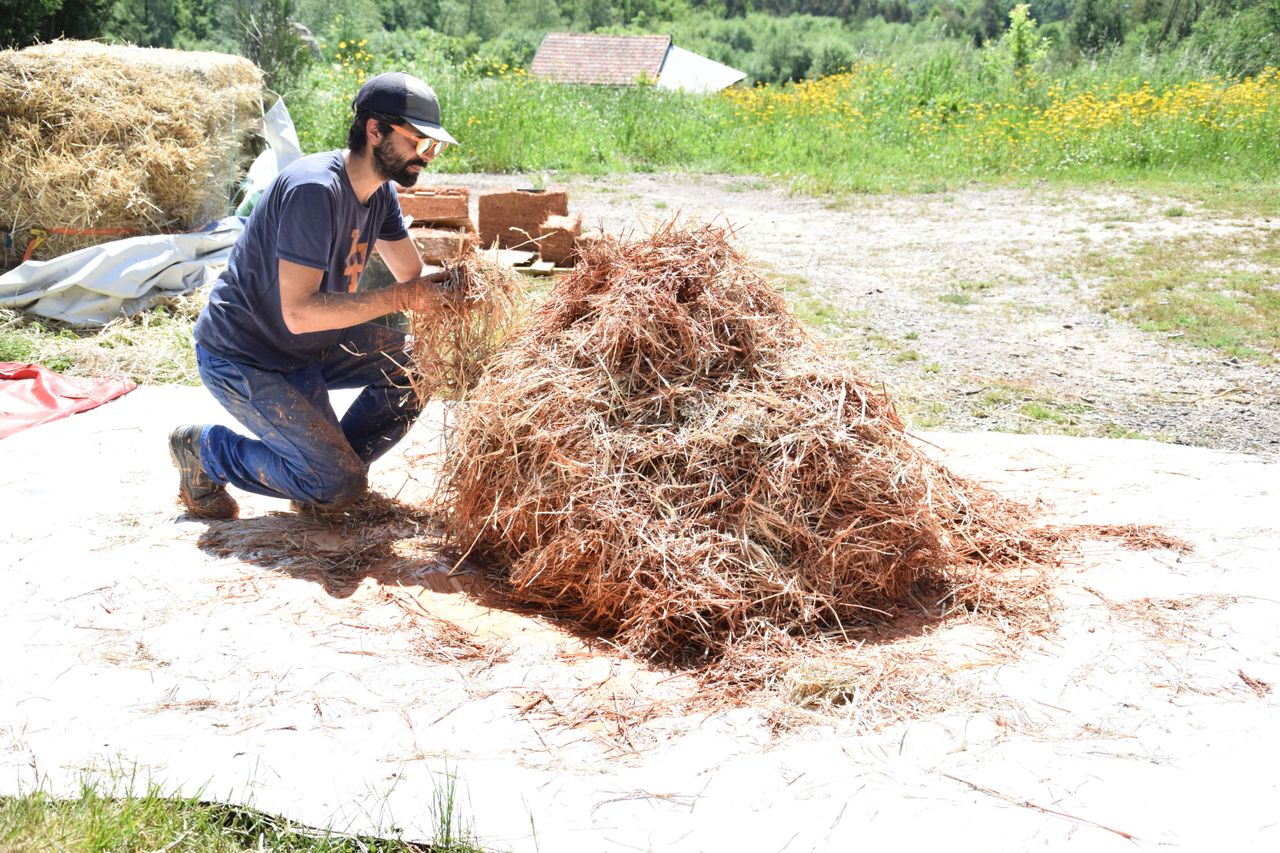
-196c93c4558.JPG?width=1280&resize=contain)
-196c93c7573.JPG?width=1280&resize=contain)
-196c93caa7c.JPG?width=1280&resize=contain)
11
How to fit the steps to a schedule?
Published 1yPublished over 1 year ago
We always want the molds to be full to not waste any time.
Here are the steps:
The time are considered for 2 people
Making the mix
TAKES 3 HOURS
Gathering our 14 buckets of straw and our 4,6 buckets of liquid clay onto a tarp and going in there to make sure that they are evenly shuffled. You want to make sure that the clay is on every single straw of the pile, that there aren't any lumps of clay forming. Doing the mix is optimal when the temperature is not too high and preferably in the shade, you do not want your clay to start drying when mixing.
You do not want your liquid clay to dry until you put it in the molds.
So right after you are done with the mix, you can tarp it shut. No water in or out.
Fermenting (optional)
TAKES AT LEAST A NIGHT
You can use your mix right after making it. But we let it rest wet overnight, by doing that, the straw starts fermenting and creates a biopolymer that helps with binding and that loosen the fibers of the straw.
You have your mix (fermented or not).
You are now ready for the next step…
Unmolding / Molding
TAKES 4 HOURS
Unclamp your previous LSC panels, place them where you want them to dry.
Put back your molds together and start ramming once more. Tighten at the end, you will be able to unmold them in 48 hours.
Day 1 Molding
Day 2 Making the mix
Day 3 Molding
Day 4 Making the mix
That is how it went…
Monday morning = make the mix
Monday afternoon = Unmold / Mold
Tuesday afternoon = Make the mix
Wednesday morning = Unmold / Mold
Thursday afternoon = Make the mix
Friday morning = Unmold / Mold
Do it all over again
Each week, we were able to produce 18 LSC panels. And based on the measurement of our floor, we need to make 27
12
Adapting our mold to our needs
Published 1yPublished over 1 year ago
Making so many panels in such a condensed schedule made us really aware of the change that our molds needed.
We made some adjustments along the way.
First we noticed that our 90 degree angle joint was too straight for uncasting it so we made one with a 60 degree angle. The photos will tell a better story.
We didn’t screw them to the bottom because we need them to help push the LSC panels out. So we had two big holes on the bottom that allowed us to push the bottom 60 degrees.
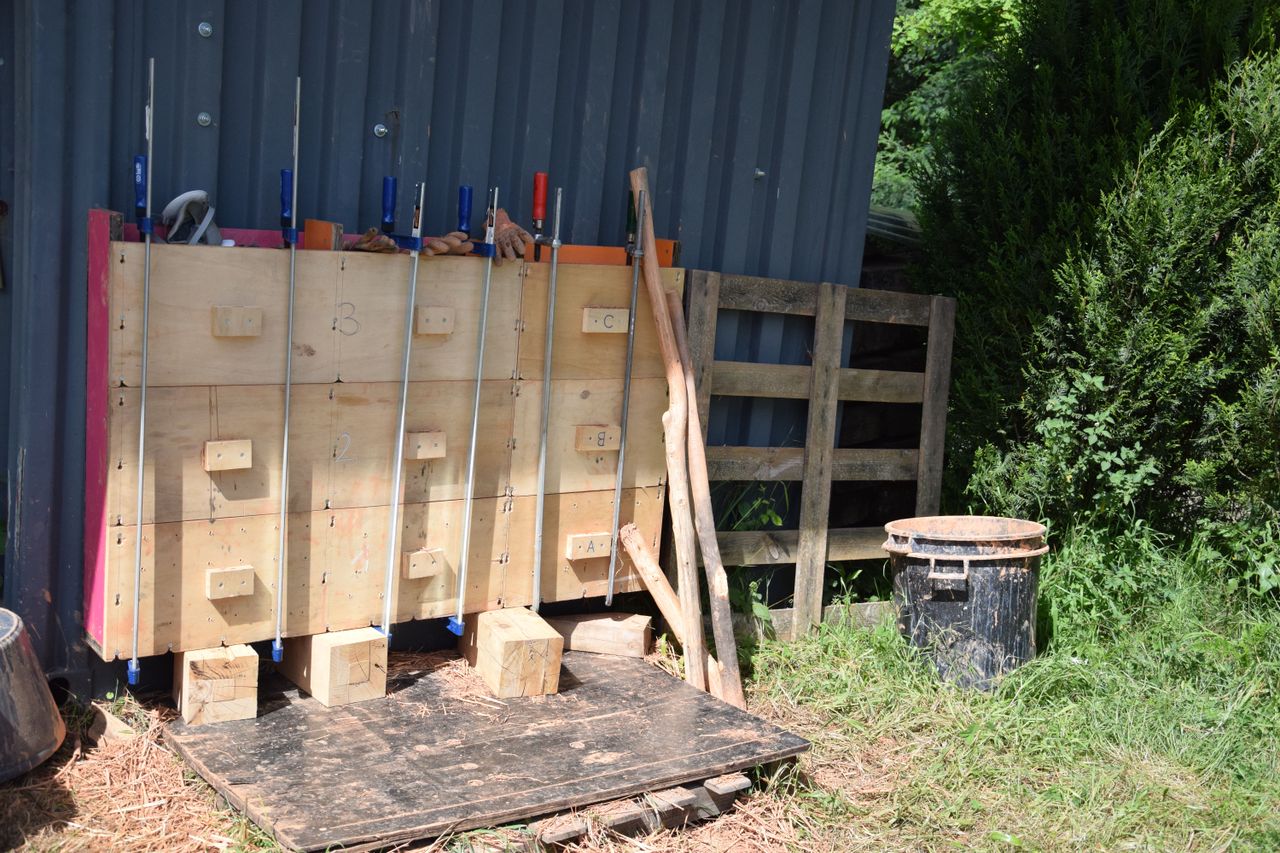
Second, our LSC panels were too big from bottom to top to be handled carefully enough that they wouldn’t break, so we created those in between wooden dividers that would help us to cut our LSC panels in two. The result was so much better, easier to handle, lighter, more power over the compression. Great upgrade.
The molds are very big and heavy so we also wanted to make handles.
We also punctured all of the surfaces of molds because we needed the LSC panels to start drying inside while being compressed.
All of our panels are being compressed by large clamps. A closing piece with a rope (so we can pull it out) covers the top of the mix in the mold. With clamp and other piece of wood, we come and compress the straw clay mix into the mold even more.
-196eeb15e92.JPG?width=1280&resize=contain)
-196eeb18921.JPG?width=1280&resize=contain)
-196eeb1b844.JPG?width=1280&resize=contain)
-196eeb1f633.JPG?width=1280&resize=contain)
-196eeb24a9e.JPG?width=1280&resize=contain)
-196eeb28210.JPG?width=1280&resize=contain)
-196eeb2dd89.JPG?width=1280&resize=contain)
13
How to dry properly our panels?
Published 1yPublished over 1 year ago
Every LSC panel freshly out of the mold was directly put in the side on a pallet in the sun. The drying process can be very long or short. That all depends on how much sun they can have. We installed pallets over a huge tarp that covered the bottom at all times and that could fold back on top if the rain came.
We got really unlucky with the weather so far (april in Portugal).
After two weeks, they are now dry thanks to the sun we were lucky to have.
-196eeb57d97.JPG?width=1280&resize=contain)
-196eeb5ae08.JPG?width=1280&resize=contain)
-196eeb5e714.JPG?width=1280&resize=contain)
14
Mold and sprouts: Learning from our mistakes
Published 1yPublished over 1 year ago
We encountered some problems:
MISTAKE 1/ We made all this process during the wettest month of april/may we have ever seen. The constant rain and humidity made it really hard for our panels to dry. Some of them started molding inside.
SOLUTION 1/ We cracked them open and made them dry in the heat of June to speed up the drying in the full sun. The mold died and we decided to use our panels no matter what but not an ideal scenario.
LESSON 1a/ The panel making has to happen in dry months from June to August, guaranteeing proper drying.
LESSON 1b/ Making small panels help getting a proper drying as well.
LESSON 1c/ Having a place to dry them in the full sun was a game changer. Having a good drying system is essential to this process.
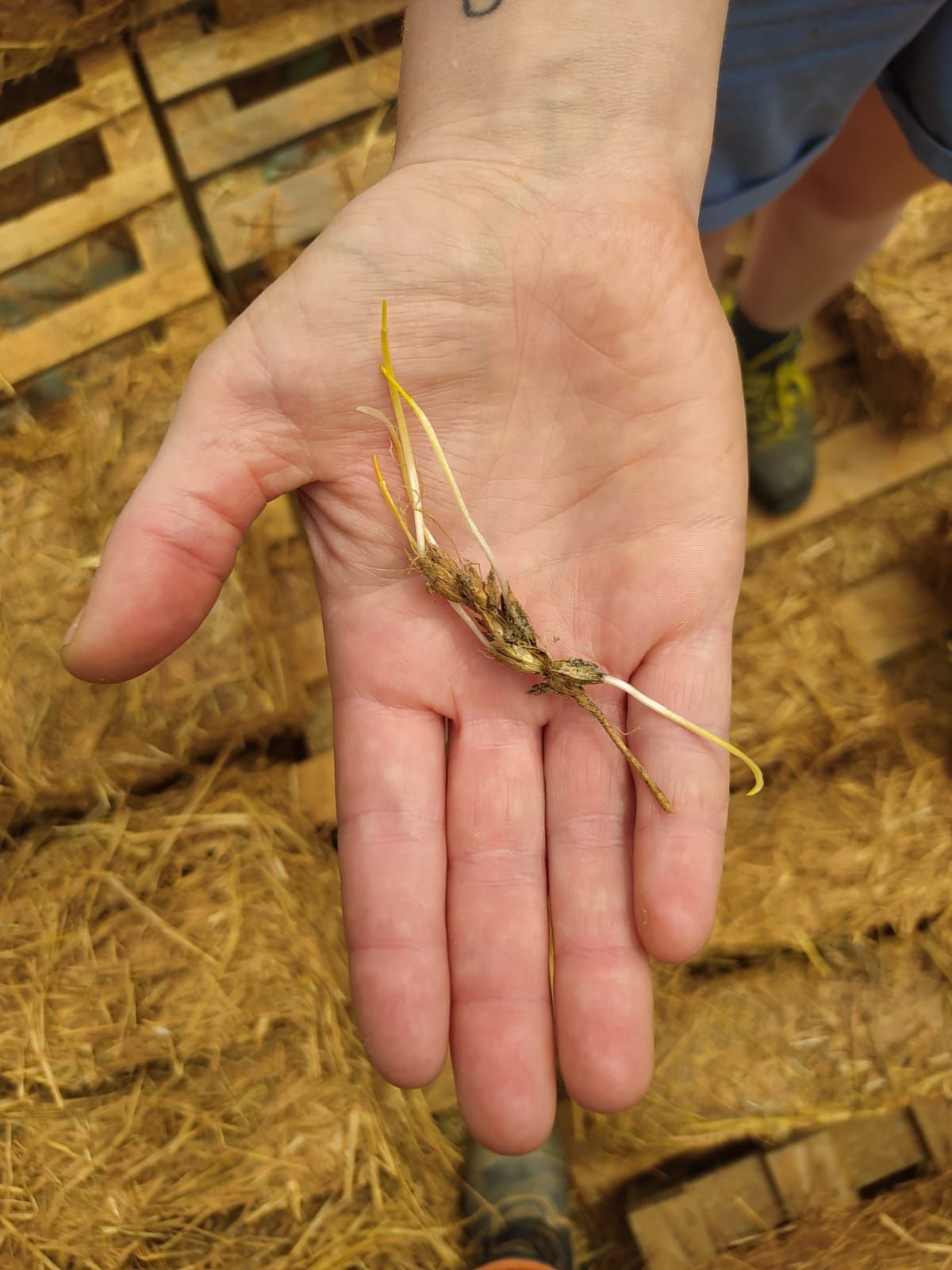
MISTAKE 2/ The straw we got was not the best quality. It is something we discovered later on. It still had seeds in it even if the farmer providing us promised a seed-free straw, which led to sprouting. The remaining seeds and the humidity combined made some of our panels sprout grass.
SOLUTION 2/ Fortunately, drying them in the sun also killed every seedling.
LESSON 2a/ According to a fellow natural builder, sprouting can happen when working with straw but it is nothing to worry about as long as you keep track that the sprouting stops. According to him, watching the sprouts die off of the walls or the floor is actually a good sign that your insulation has fully dried, no humidity remains.
LESSON 2b/ The quality of the straw was a factor in the sprouting but you can’t really avoid having any seeds, what really makes a difference is to properly dry the panel.
After proper drying, we decided to move forward with our panels and the installation.
15
How to install our panels?
Published 1yPublished over 1 year ago
We made our mold to a standard size 45cm wide. Our floor however is irregular, which means that they all need to be cut the exact size.
This defined how we proceeded. One person measuring and cutting with a big angle grinder the panels to the right fit. And two people fitting the panels with our home-made “shoe-horn”.
The “shoe-horn” is a tool we made to simplify the fitting of the panels. It consists of folding two pieces of thin metal (that have the same width of your panel) like you can see in the picture. We place them on both sides of the hole to fill and we bring the panels in between forcing the panels in without breaking them up.
Once fitted, remove the "shoe-horn" and you are done.
-1971b4ce8c3.JPG?width=1280&resize=contain)
-1971b4d58d4.JPG?width=1280&resize=contain)
-1971b4da46e.JPG?width=1280&resize=contain)
-1971b4df518.JPG?width=1280&resize=contain)
-1971b4e4ff5.JPG?width=1280&resize=contain)
-1971b4ffa0f.JPG?width=1280&resize=contain)
-1971b50ad36.JPG?width=1280&resize=contain)
-1971b50fdef.JPG?width=1280&resize=contain)