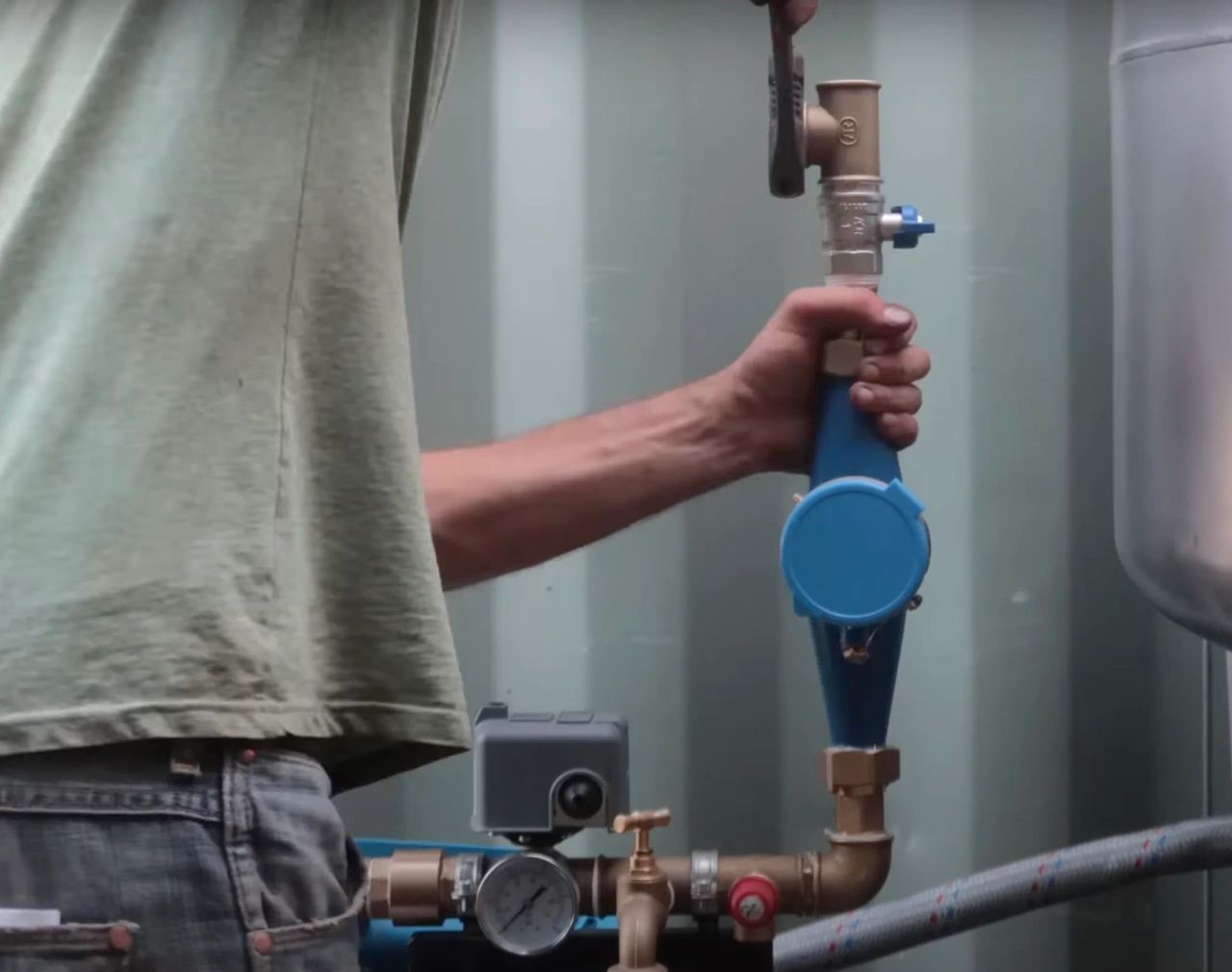

Can we drink the water from the land?
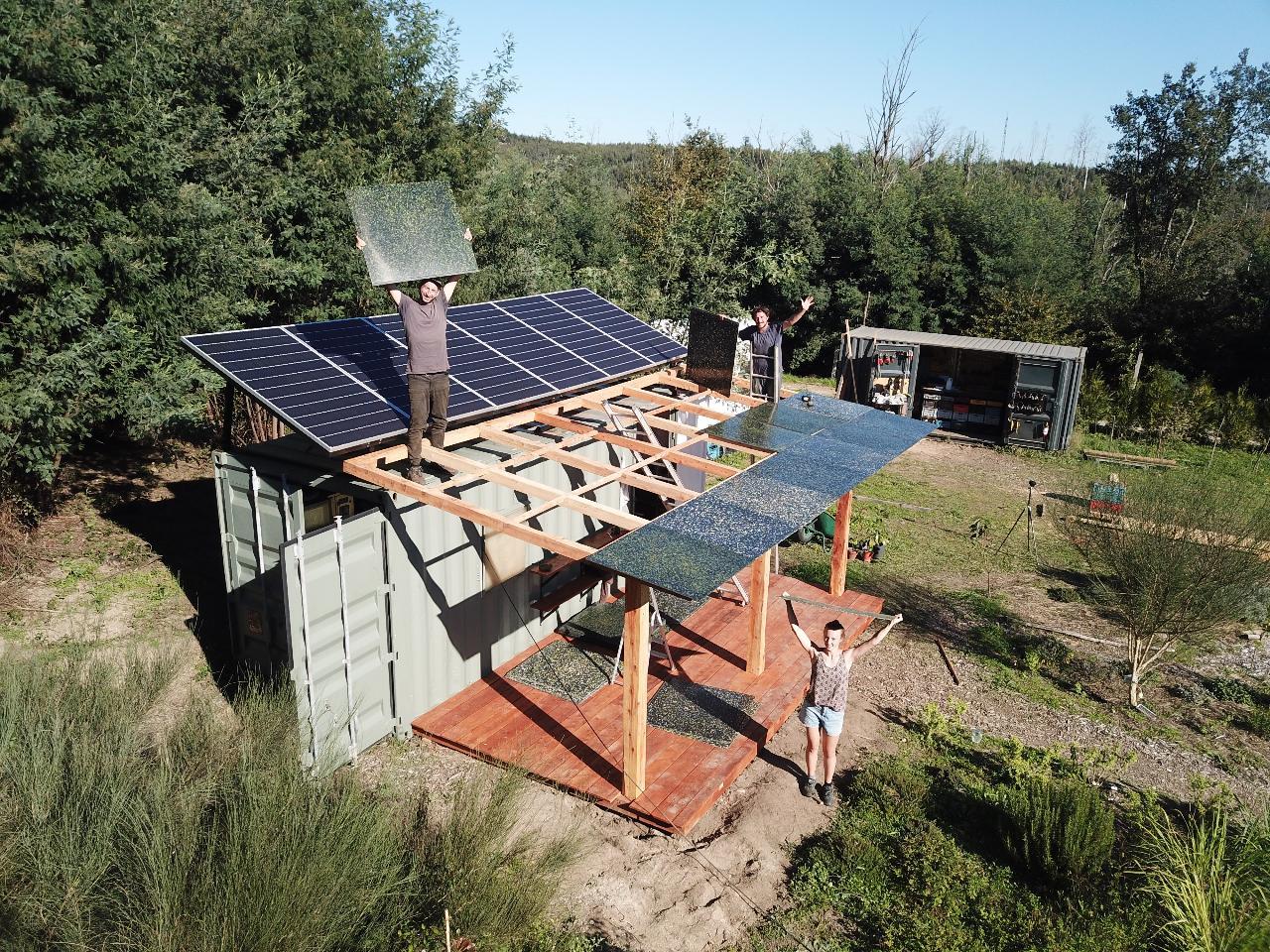

More Information


%20--%3e%3csvg%20version='1.1'%20id='Layer_1'%20xmlns='http://www.w3.org/2000/svg'%20xmlns:xlink='http://www.w3.org/1999/xlink'%20x='0px'%20y='0px'%20viewBox='0%200%2064%2063'%20style='enable-background:new%200%200%2064%2063;'%20xml:space='preserve'%3e%3cstyle%20type='text/css'%3e%20.st0{fill:%23231F20;}%20%3c/style%3e%3cdesc%3eCreated%20with%20Sketch.%3c/desc%3e%3cg%20id='Page-1'%3e%3cg%20id='OA-Logo-Black-Background'%3e%3cpath%20id='Shape'%20class='st0'%20d='M14.1,30.1c-1.5-0.8-8.6-3.8-14.1-7.8c1.8-3.4,3.1-5.6,5-9.1c2.7,1.1,1.9,0.5,4.6,1.7%20c0.8,0.4,10.1,4.5,13.8,6.2c2.4,1.1,4.7,2.2,7,3.3L43,30.5l8.1,3.9c4,2,7.2,3.5,11.3,5.5c0.5,0.3-3.7,9.4-3.7,9.4%20c-1.7-0.6-3.9-1.8-5.5-2.5c-4.7-2.1-9-3.9-13.7-6c-4-1.8-6.7-2.9-10.8-4.5C25,34.9,17.1,31.6,14.1,30.1z'/%3e%3cpath%20id='Shape_1_'%20class='st0'%20d='M12.1,54.9c-0.8,0.6-1.6,1.2-2.5,1.6c-0.4-0.5-0.9-1-1.3-1.5c-0.3-1.2-2.3-4.9-2.7-6.2%20c-0.1-0.4-0.7-2.2-0.8-2.6c0,0,5-3.4,8.2-5.9c3.2-2.6,6.2-5,9.3-7.5c1.4-1.1,3.9-2.5,5.3-3.5c2.5-1.7,13-9.1,15.6-10.5%20c5.4-3.3,11.1-6.3,16.8-9c1.7,3.5,1.8,3,3.8,6.9c0,0-17.8,13.5-22.7,17.1c-3.8,2.8-7.5,5.7-11.3,8.5c-1.7,1.3-3.5,2.4-5.2,3.7'/%3e%3cpath%20id='Shape_2_'%20class='st0'%20d='M20.8,2.9l-0.2-0.8C25,0,31.2-0.3,31.4,0.2c0.4,1.1,0.9,2.2,1.2,3.4c1.4,4.4,2.7,8.7,4,13.1%20c0.4,1.4,2.8,10,2.9,10.5c0.5,2.8,1.2,5.6,1.6,8.4c0.8,4.7,1.4,8.6,2.3,13.3c0.6,3.1,1.3,6.3,2.3,11.3c0,0-5.8,1.4-7.5,1.8%20c-0.8,0.2-1.5,0.4-2.4,0.6c-0.3-1.1-0.2-1.2-0.5-2.1c-0.9-3.7-1.8-7.3-2.6-11c-1.5-6.4-3-12.9-4.4-19.3%20c-1.2-5.4-2.6-10.7-4.4-15.9c-1-3.1-1.8-6.3-2.7-9.5C21.1,3.8,21,3.8,20.8,2.9z'/%3e%3c/g%3e%3c/g%3e%3c/svg%3e)


1
Testing our water sources
Published 4yPublished over 4 years ago
The first thing we have done was to check and test our water sources in the land, as you can see in the following video
This time we have compared some DIY test kits with a Lab tests.
2
Find a second source
Edited 4yPublished over 4 years ago. Last edit over 4 years ago
We have found an abandoned well from our neighbors who let us clean and make use of it.
This already seems a better drinking source!
3
Rough filter of our water source
Edited 4yPublished over 4 years ago. Last edit over 4 years ago
After setting up our water system we have poured 5 liters of bleach in the well to purify our water.
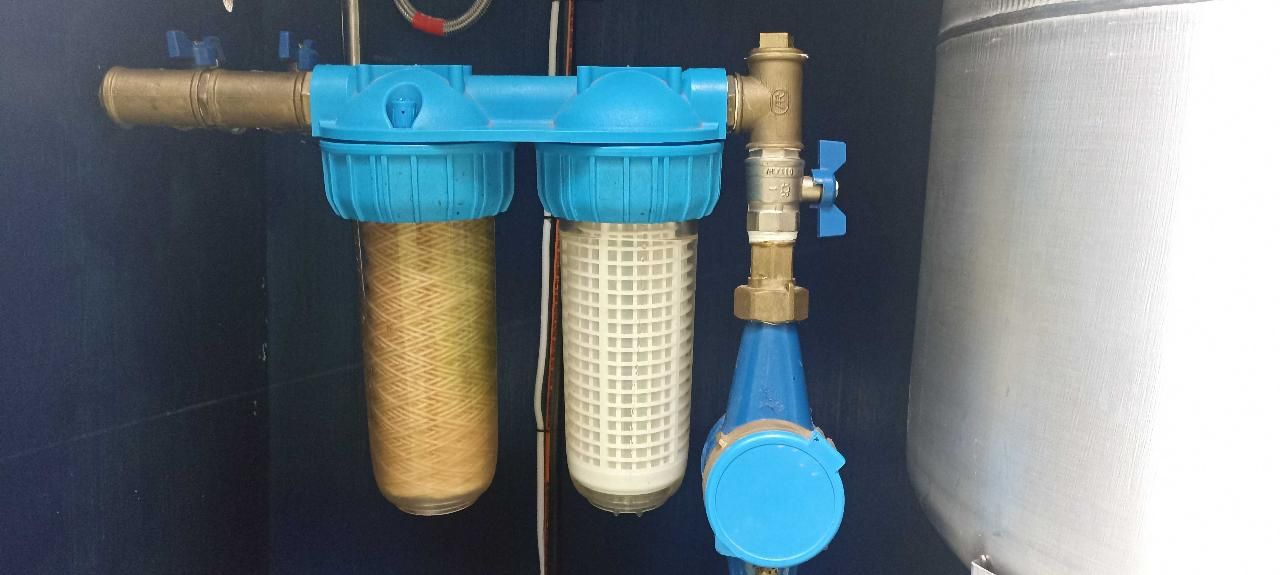
In our water system we also included 2 particles filters that you can see in the images.
This step came with a the new test that you can find in the images.
This test show us we are getting there! All paremeters seem fine besides the germs, still not drinkable straight away, but we could drink after boiling the water, which would kill the germs.

4
How to get rid of bacteria and germs?
Published 4yPublished over 4 years ago
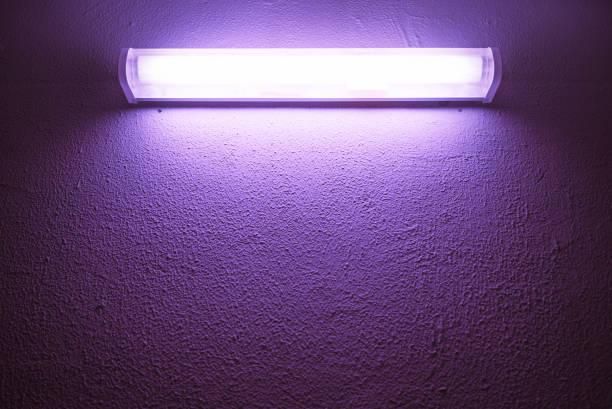
At this point the next step towards drinking our water is to get rid of germs. We are researching what to use after the filters already installed. We have checked some different systems and seems that there are 2 easier ways to reach our goal. These would be UV Light or colloidal silver filter.
We would like to add one of them to our current system, we have seen there are expensive options out there with fully built systems. But we want something more standarized that could be combine with our current system.
What would you use at this point and why? Pros and cons? Any other options besides these two?
5
Coloidal silver filters
Edited 4yPublished over 4 years ago. Last edit over 4 years ago
After some research, one of our options is the coloidal silver. This filtering system could be found in some comercial purifying drinking taps mixed with filters of activated carbon. Coloidal silver kills virus and bacteria desinfecting the water.
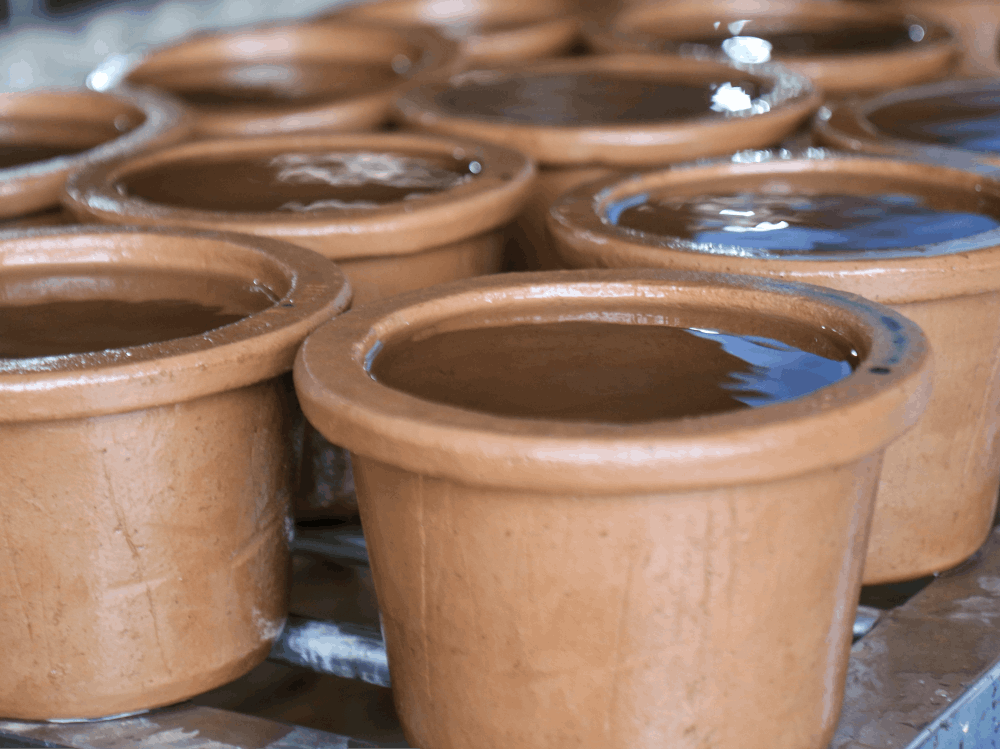
In this research an awesome project called Potters for Peace cross around. They have developed a technology and open source it to bring access to drinkable water to communities in need of it. This filters are basically a mix of red clay (50%) and sawdust (50%) soaked in a dilution of water and coloidal silver.
This technology works basically making the water go through the filter made with that mix and after the filter water gets purified.
Some Pros and Cons:
PROS:
- It is develop to be made with very low budget in order to make it accesible.
- It is a Low-Tech solution easily replicable.
- It is Open-Source, we love that.
- Supersimple instalation, since it is a device on itself. Just need to poor the water on it.
CONS:
- Slow proccess. It can only filter a few litres per hour
- Difficult to find for us in Europe
- There are some sceptical opinions regarding the use of silver and its long term action in the human body.
Maintenance would consist in mantain everything clean and replace the filter at least once a year
Besides that we also found some comercial colloidal silver filters but sound a bit too specific and house hold for us. Since they are not standard or scalable
%20and%20a%20colloidal%20silver%20filter%20(right)-1806a0a29e2.jpg?width=1280&resize=contain)
6
UV Light filters
Edited 4yPublished over 4 years ago. Last edit about 4 years ago
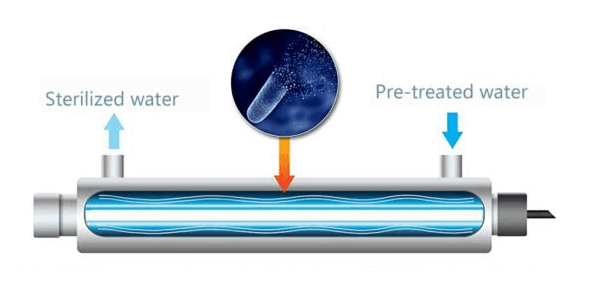
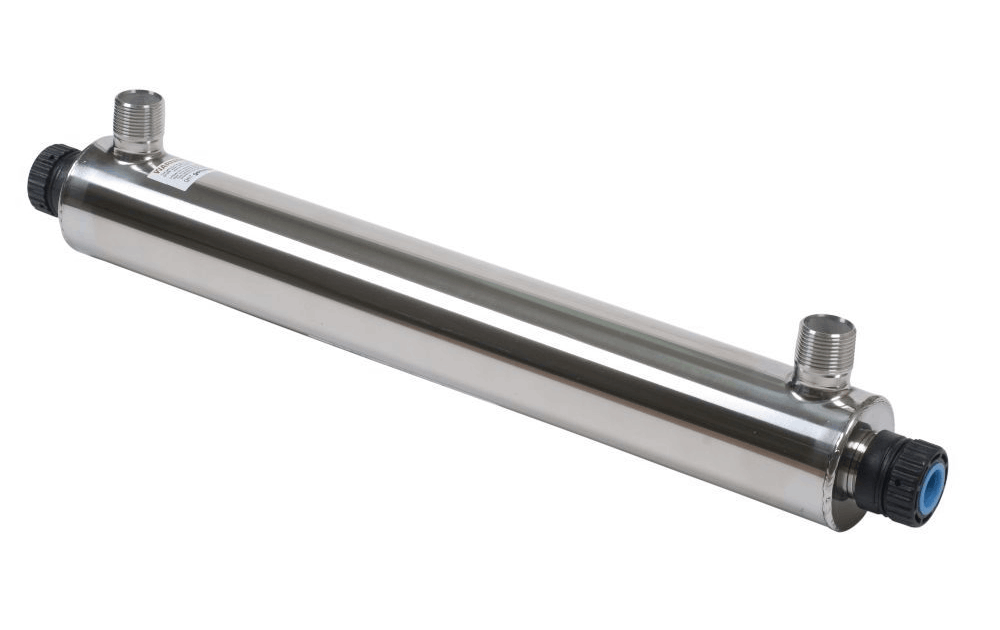
UV Light filters are our best option so far. This technology consists in a cavity with UV radiation where the water flows in and out before going into the system.
The UV radiation neutralizes bacteria and virus and sterilizes the water, which would mean our water would be finally drinkable.
The parts of this system would include a fine filter to clearifing the water, stainless steel cavity, and a UV light placed inside the cavity. The power of the light (W) and the volume of the cavity will depend on the amount of liters/hour you want to desinfect.
We find in them some Pros and Cons:
PROS:
- Water is desinfected
- It doesn´t use any chemicals
- It doesn´t take any elements, minerals or nutrients from the water. Neither leaves any trace in our water
- Relatively cheap
- Easy installation
CONS:
- It needs electricity to work.
- It needs some maitenance.
- Water should be clear before entering the cavity, filtering any sediments or particles above 5microns, otherwise UV Light won´t be able to reach virus and bacteria due to the shadow that this particles could create avoiding radiation reach its target.
Maintenance would consist in replace the light and the filters when needed, depending on the amount of hours the light is on and the litters and dirt contained in your water.
If you have any suggestions or feedback feel free to dump them in the comments!
7
Our choice: UV Light Sterilizer
Published 4yPublished over 4 years ago
We have finally gone for UV sterilization for the next step of making our water drinkable. Our new system has 2 new filters (20microns and the next one 5microns), a 25W UV light and a Stainless Steel cavity
We have installed a system able to sterilized all our inside water in the container for cooking and drinking. Here the specs of our new system:
- Capacity 1360 liter/hour
- Power 25W
- Cavity from Stainless steel AISI 304. Meassurments: 520mm long, 70mm diameter.
- Prefilter of 20microns and 5 microns. This step is very important to make the water clear in order to sterilize with UV Light technology. If the water would not be clear, the sterilization with this system won´t work.
The maintenance of our system will consist in:
- Replace the light every season, around 1 year if the light is always on and 10 months if the light is on and off every day.
- Replace the filters every half season. With the amount of germs we get, the filters will become a nest for bacteria if they are not replaced often.
A water test is our next step to check if we are finally able to drink our water!
-180d6e8e34c.jpg?width=1280&resize=contain)
-180d6e8a77b.jpg?width=1280&resize=contain)
-180d6e8bde0.jpg?width=1280&resize=contain)
-180d6e8f62c.jpg?width=1280&resize=contain)
8
Testing our UV Sterilizer system
Edited 4yPublished over 4 years ago. Last edit over 4 years ago
After the installation of our new UV sterilizer we have test our water again.
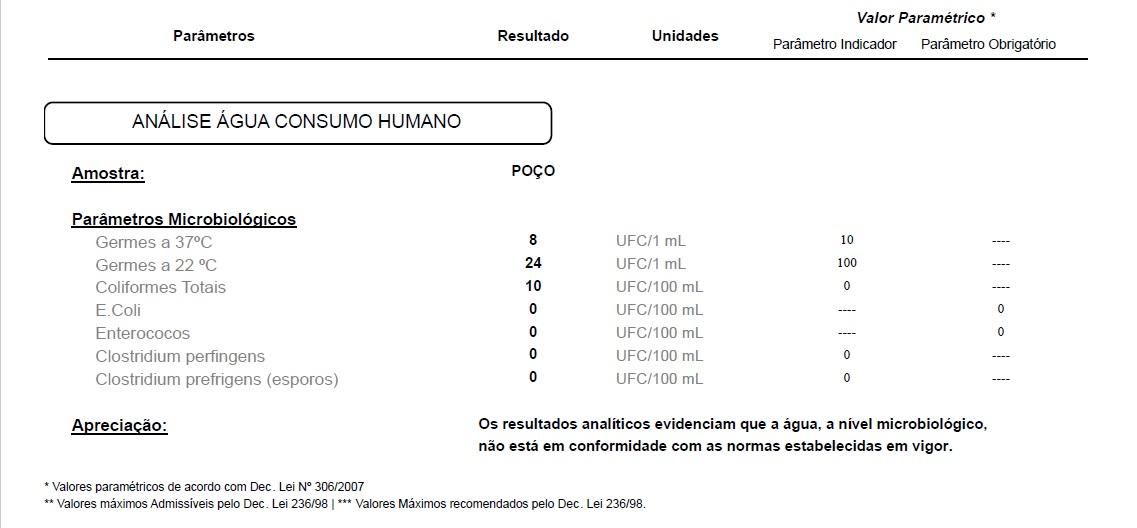
This test shows, from left to right:
- Parameters. First column the type of bacteria and germs analized
- Results. Middle bold number show us the result
- Units. This case Colony Forming Units
- Indicator parameters, last 2 columns show us the maximun allowed by Protuguese Authorities at each parameter.
This test tell us that in Portugal this water wouldn´t be drinkable due to the coliform bacteria found. We are a bit lost because our coliforms even went higher after the installation of the UV sterilizer. But we will keep on trying! :-)
9
Green filters
Edited 4yPublished about 4 years ago. Last edit about 4 years ago
After a couple of months of use our filters are becoming green. We suspect that has something to do with day-light shining them because they are way greener in the front that in the back.
Manufacturer recomended us to change them every 6 months. We already clean them a couple of times and our next step will be to clean them and to protect them from the sun to see if that is the problem that makes them full of green.

10
Stable drinkable water system
Published 3yPublished almost 4 years ago
In the last update, we were concerned about the color of our filters after a Little usage. We were suspecting that the algae were growing in our filters due to the sunlight received in our water box. So we have decided to close the box and protect it from light.
After some months of use in the darkness seems that we were right in our thoughts and now the filters are algae-free.
This lead us to finally say we have a stable drinking water system in Basekamp, just needing the regular maintenance we already knew we had to make.

11
Testing our water after 1 year with our system
Edited 3yPublished about 3 years ago. Last edit about 3 years ago


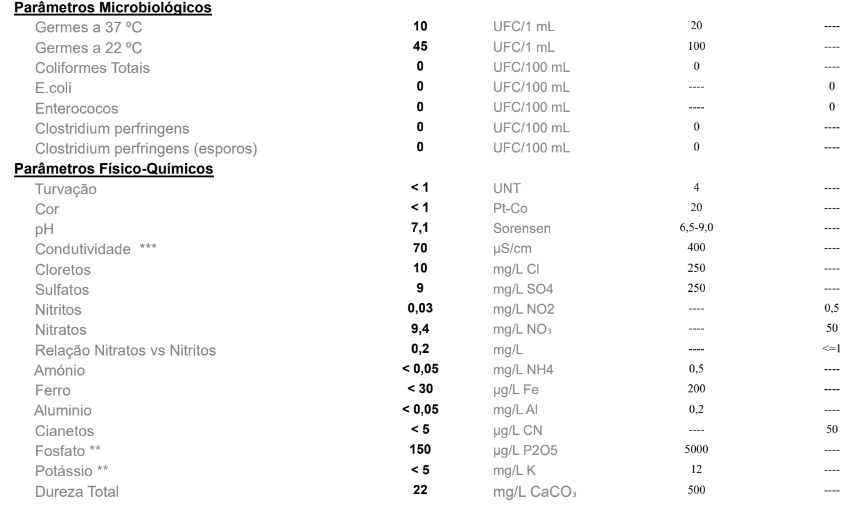
After a bit more than one year with our system up and running we have made new tests.
Sometimes the wells can show some fluctuations for different parameters depending on the time of the year due to different factors such as the rain, farming, intensity of use of the well, etc. That´s why it is highly recommended to test your water regularly to keep yourself updated with the state of the water you are drinking every day
We have changed filters every half a year.
Overall we are providing drinkable water to 25 people and never had any health issues.
12
Testing our drinking water after 2 years with the system
Published 2yPublished about 2 years ago
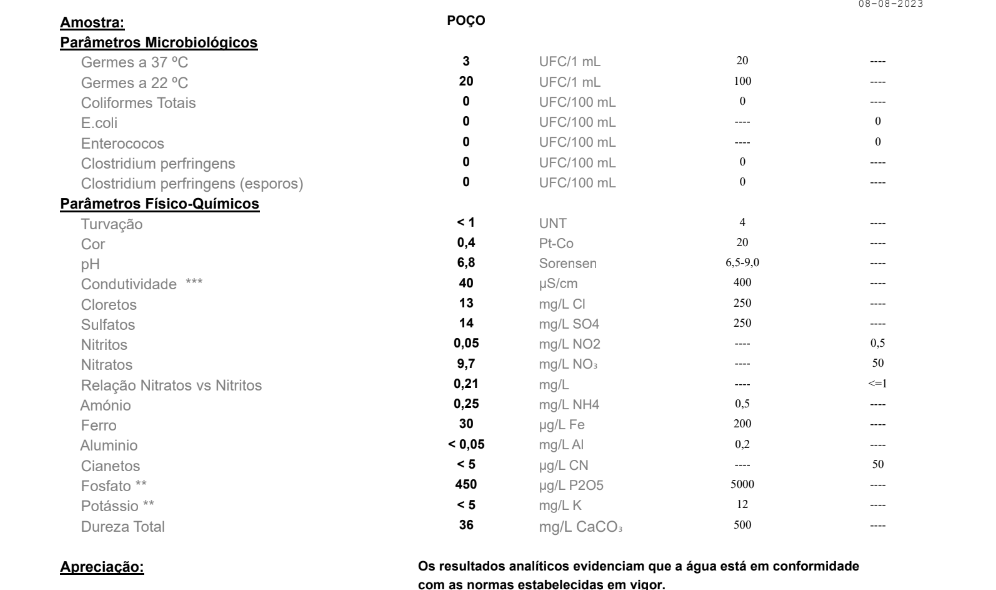
We are about 2 years already with our water system up and running. As said before is good to keep on analyzing your water sources even if they are up and running due to different changes in the enviroment that can happen or problems with your system that should be identified.
So far, water still drinkable and tasty
13
Test after 3 years of use of the system
Published 1yPublished over 1 year ago
We are about to upgrade our system. You can find out more in this other research https://community.projectkamp.com/research/can-we-extend-our-water-system-beyond-basekamp
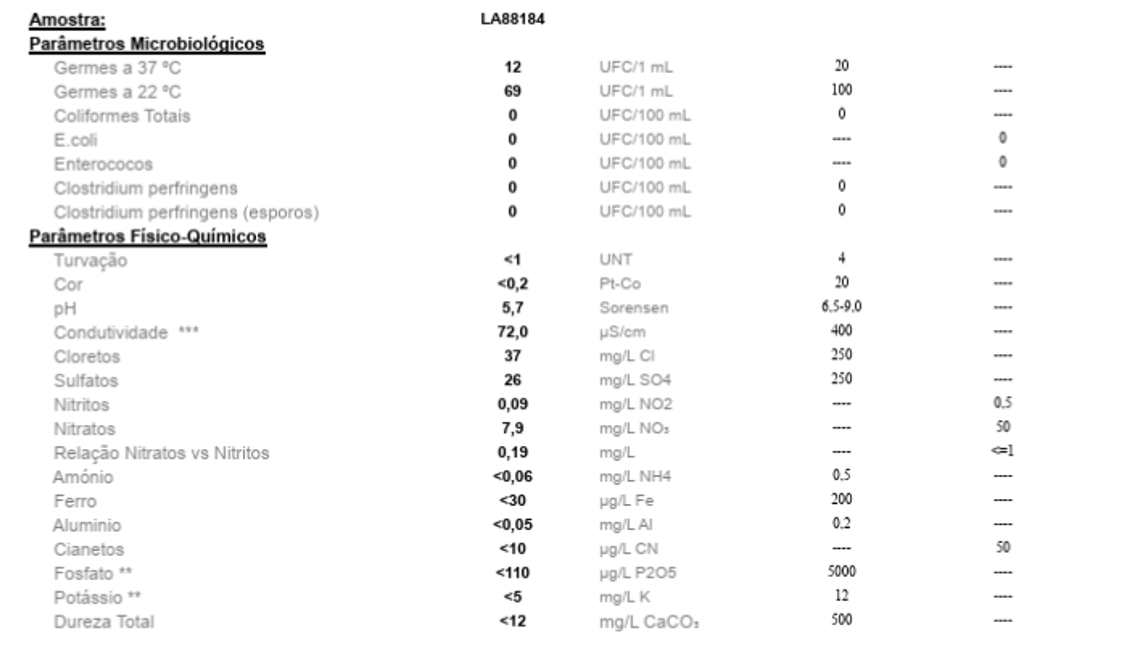
This test is the last one of the current set up we have, where all our drinkable water is in one place. Next time we will have 2 different points with drinkable water in the land.
So far we have been testing the parameters that were recommended in the local lab, but we are wondering now if we should test other parameters such as heavy metals that doesn´t appear in these tests. So far we never had health issues, but some things can be affecting more in the long run and 3 years might not be enough to get affected by them. What do you think? Any parameters we should include for the future test? .
14
Testing some Heavy Metals with a Home kit
Edited 1yPublished over 1 year ago. Last edit over 1 year ago

While not a substitute for laboratory testing, we used a home water testing kit to check for the presence of heavy metals, including lead, chromium, iron, copper, and mercury. Although home kits aren’t as accurate as lab tests, we decided to test anyway and share the results.
Fortunately, the strips showed no detectable levels of lead, chromium, iron, copper, or mercury. That said, we still plan to carry out a proper laboratory test in the future for more accurate results.
The test also showed that our water is currently slightly acidic, which lines up with the lab results from a few weeks ago, where the pH measured 5.7. This is the first year we've recorded pH at this level. In previous years, it was 6.8 and 7.1.
We believe this isn’t a major issue at the moment. While acidic water can cause corrosion, our plumbing is stainless steel, which is more resistant to low pH. However, it could still cause wear to fittings and fixtures over time.
Is this something we should be concerned about longterm? Let us know in the comments.
Ph 6.2
Total alkalinity 0
Carbonate 0
Hardness 0
Cyanuric acid 0
Copper 0
Mercury 0
Total chlorine 0
Free chlorine 0
Bromine 0
Nitrite 0
Nitrate 10
Iron 0
Chromium/cr 0
Lead 0
fluoride 0

15
Test and issues after filtration upgrade
Edited 5moPublished 6 months ago. Last edit 6 months ago
We have made a few upgrades in our water system to be able to scale and bring water to more structures in our land. You can find more in depth information here:
https://community.projectkamp.com/research/can-we-extend-our-water-system-beyond-basekamp#update_1347
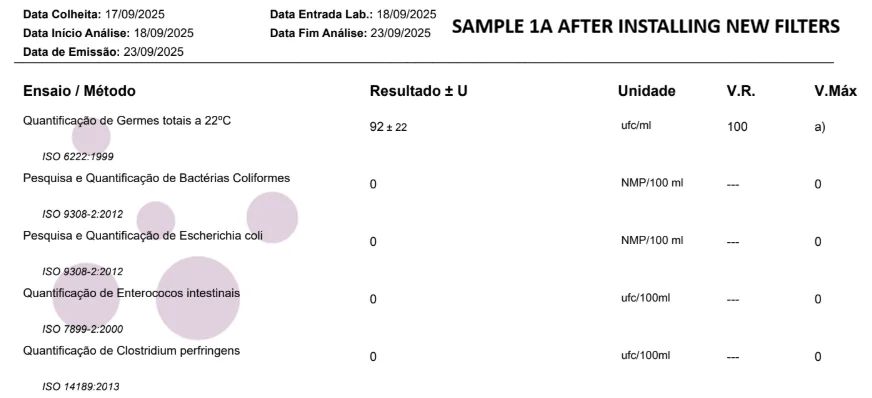
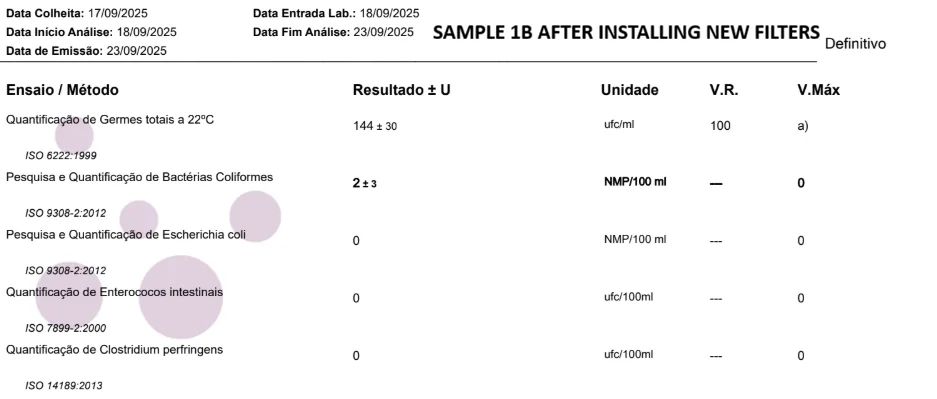
After the upgrade we test the water and realized the amount of microrganism went higher. Find Sample 1A and 1B attached.
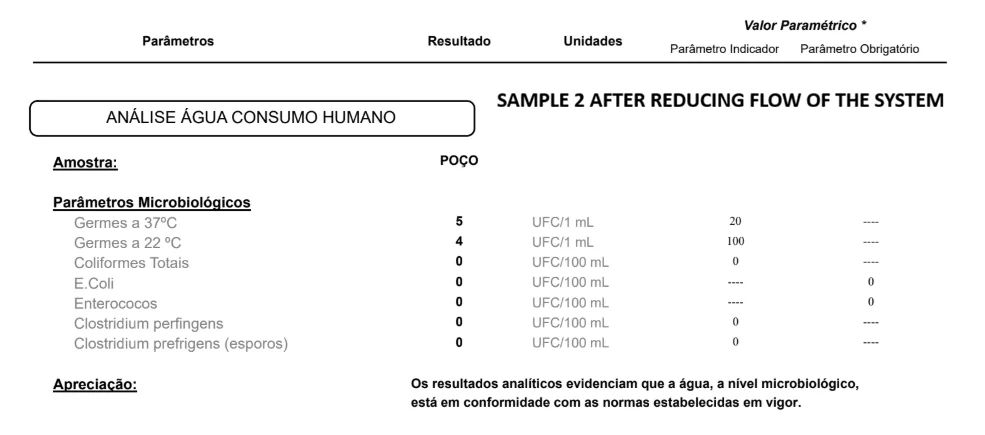
We suspect then that the UV Light was not working correctly and review the numbers and flows from the system and realized that the new filters were allowing to higher flows but UV Filter was not designed for such high flows and that´s why microorganisms were getting into our system.
After that we had reduced the flow of the system and the UV could work properly giving us drinkable water again
16
Ideas to solve our PH issues
Edited 5moPublished 6 months ago. Last edit 6 months ago
Over the years we had realized that our water is becoming slowly more acidic. This is the evolution of the PH of the water of our well in the last years:
04/2021 6.22
08/2023 7.1
08/2024 6.8
06/2025 5.7
09/2025 5.0
03/2026 5.6
This is not ideal P.H. levels for drinkable water neither for the appliances and things we use. We are looking for solutions to implement in our well.
Our well is 2.5m of diameter with around 8m deep, having an overflow around 4m high
We consume between 400m3 and 500m3 of water per year in Kamp
Would you have any ideas to solve this problem or know why this is happening?