

Can we dehydrate our food?
Started 1mo. Edited 1moStarted about 1 month ago. Last edit about 1 month ago
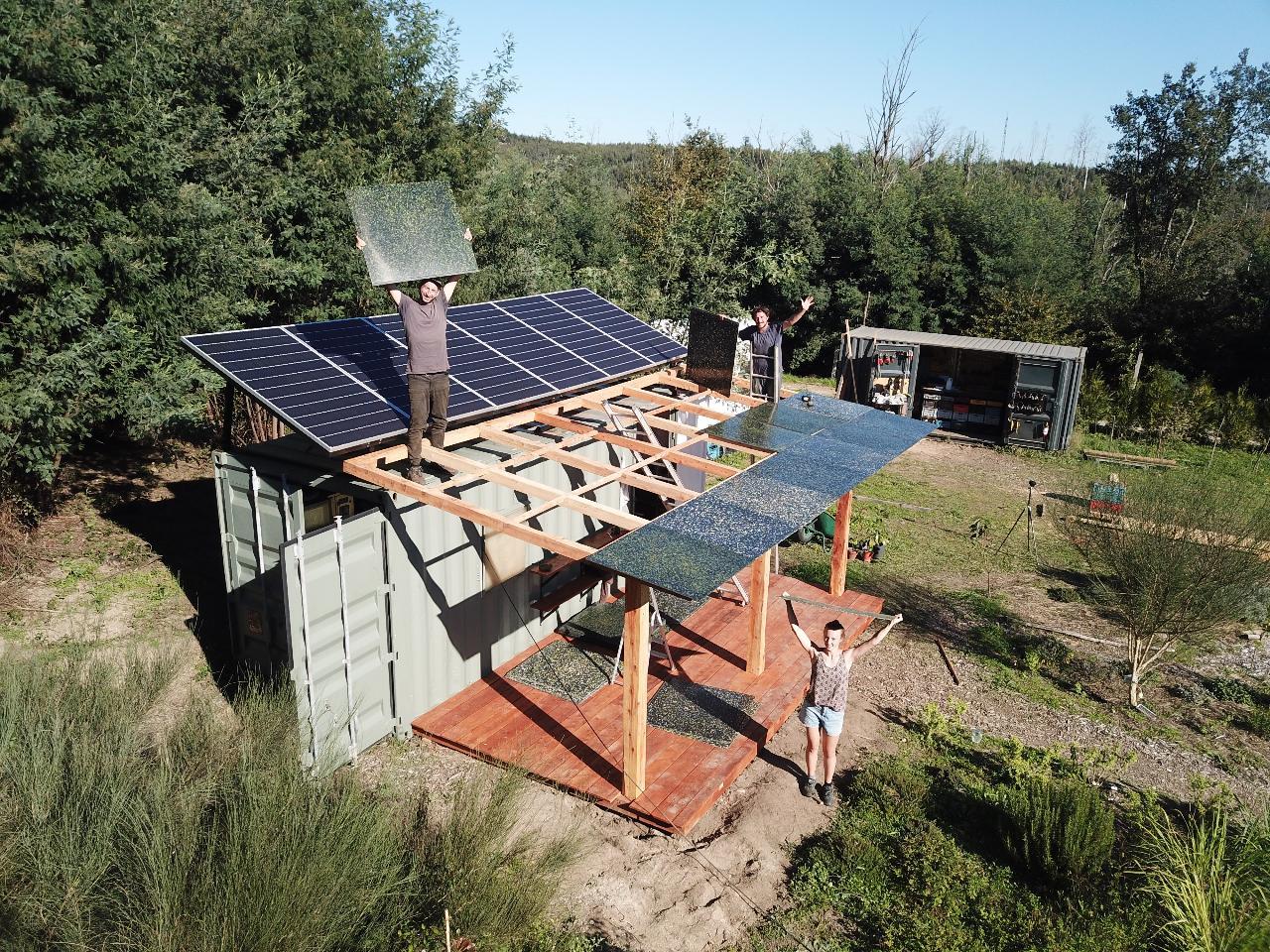



Food
In Progress
ToolNatural
More Information


%20--%3e%3csvg%20version='1.1'%20id='Layer_1'%20xmlns='http://www.w3.org/2000/svg'%20xmlns:xlink='http://www.w3.org/1999/xlink'%20x='0px'%20y='0px'%20viewBox='0%200%2064%2063'%20style='enable-background:new%200%200%2064%2063;'%20xml:space='preserve'%3e%3cstyle%20type='text/css'%3e%20.st0{fill:%23231F20;}%20%3c/style%3e%3cdesc%3eCreated%20with%20Sketch.%3c/desc%3e%3cg%20id='Page-1'%3e%3cg%20id='OA-Logo-Black-Background'%3e%3cpath%20id='Shape'%20class='st0'%20d='M14.1,30.1c-1.5-0.8-8.6-3.8-14.1-7.8c1.8-3.4,3.1-5.6,5-9.1c2.7,1.1,1.9,0.5,4.6,1.7%20c0.8,0.4,10.1,4.5,13.8,6.2c2.4,1.1,4.7,2.2,7,3.3L43,30.5l8.1,3.9c4,2,7.2,3.5,11.3,5.5c0.5,0.3-3.7,9.4-3.7,9.4%20c-1.7-0.6-3.9-1.8-5.5-2.5c-4.7-2.1-9-3.9-13.7-6c-4-1.8-6.7-2.9-10.8-4.5C25,34.9,17.1,31.6,14.1,30.1z'/%3e%3cpath%20id='Shape_1_'%20class='st0'%20d='M12.1,54.9c-0.8,0.6-1.6,1.2-2.5,1.6c-0.4-0.5-0.9-1-1.3-1.5c-0.3-1.2-2.3-4.9-2.7-6.2%20c-0.1-0.4-0.7-2.2-0.8-2.6c0,0,5-3.4,8.2-5.9c3.2-2.6,6.2-5,9.3-7.5c1.4-1.1,3.9-2.5,5.3-3.5c2.5-1.7,13-9.1,15.6-10.5%20c5.4-3.3,11.1-6.3,16.8-9c1.7,3.5,1.8,3,3.8,6.9c0,0-17.8,13.5-22.7,17.1c-3.8,2.8-7.5,5.7-11.3,8.5c-1.7,1.3-3.5,2.4-5.2,3.7'/%3e%3cpath%20id='Shape_2_'%20class='st0'%20d='M20.8,2.9l-0.2-0.8C25,0,31.2-0.3,31.4,0.2c0.4,1.1,0.9,2.2,1.2,3.4c1.4,4.4,2.7,8.7,4,13.1%20c0.4,1.4,2.8,10,2.9,10.5c0.5,2.8,1.2,5.6,1.6,8.4c0.8,4.7,1.4,8.6,2.3,13.3c0.6,3.1,1.3,6.3,2.3,11.3c0,0-5.8,1.4-7.5,1.8%20c-0.8,0.2-1.5,0.4-2.4,0.6c-0.3-1.1-0.2-1.2-0.5-2.1c-0.9-3.7-1.8-7.3-2.6-11c-1.5-6.4-3-12.9-4.4-19.3%20c-1.2-5.4-2.6-10.7-4.4-15.9c-1-3.1-1.8-6.3-2.7-9.5C21.1,3.8,21,3.8,20.8,2.9z'/%3e%3c/g%3e%3c/g%3e%3c/svg%3e)


1
Options to dehydrate food that we already have
Published 1moPublished about 1 month ago

In the oven
We can use the residual heat from the oven to dry out food.
Issues with this: we only light the oven twice a week, so could only use this method twice a week; actually only once a week cause one of the times is friday nights, where we are up late using the oven for pizzas. There is also no easy way for moisture to escape using this method (although with our pizza oven this might be a bit different). The higher heat could also be less desirable for herbs.
In the storage container
We have been using the storage container for drying herbs quite successfully, however it can get a bit messy + we cannot use this method for other kinds foods, and there is the issue of maybe rats being present there and possibly contaminating the foods drying there, if there are not closed of properly.
Out in the open
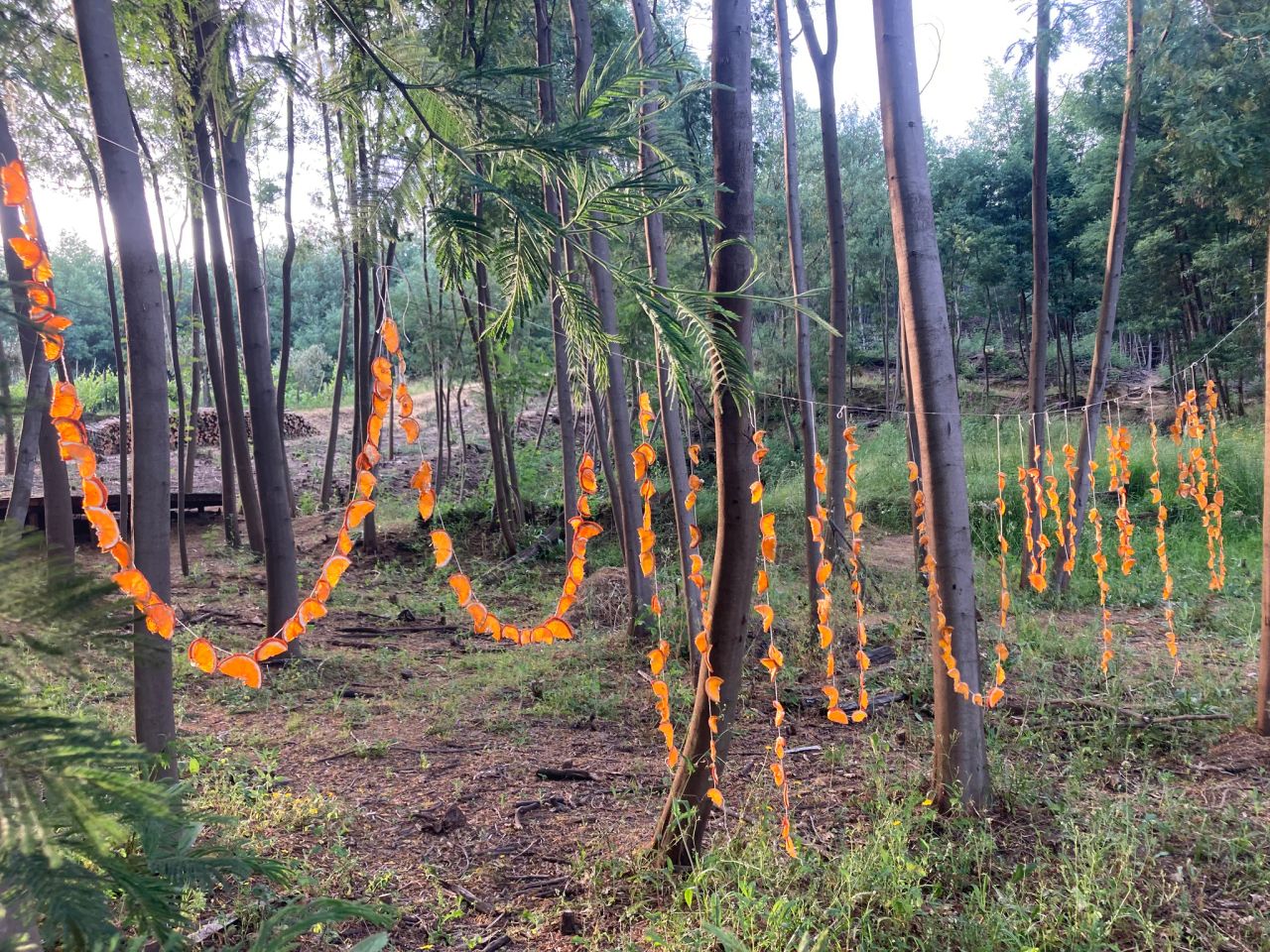
Earlier in the season we had a lot of oranges from a neighbour (see oranges video). We tried drying some of the oranges by cutting them into slices and hanging them out to dry. We did not consider that this came with some problems: it gets humid at night so the slices got moist again every evening, insects would sit in them,..
→ Possible solutions:
- use screens that we cover for the insects and taking them into the storage container every night to keep it from getting humid again
- build a closed container specifically designed to dry food efficiently with the sun: a solar dehydrator
2
Solar dehydrator
Published 1moPublished about 1 month ago
A solar food dehydrator is a device used to remove moisture from food using the power of the sun. Solar food dehydrators are a low-cost alternative to electric food dehydrators.
Drying is an excellent way to preserve produce, but exposing fruits and vegetables to direct light can cause vitamin loss. Solar dehydrators rely on indirect solar power, meaning the drying food is not exposed to the sun but instead to solar-heated air.
What is the purpose of having a solar dehydrator
- Easy way to process big batches of food (good way to use up local overproduction of zucchini, tomato, oranges, …)
- Dehydrated food can be stored for a long time
- Dehydrated food takes up less space
- Actively combat food waste
- Less energy-intensive than canning/other preserving methods (energy-intensive both for humans and for literal energy as in gas/electricity)
- Availability of summer produce in winter; for example: dried zucchini/tomatoes can be used in tons of winter stews/soups/baked goods to add extra vitamins/minerals/flavour
- More nutrients are preserved when dehydrating food vs canning
Examples of solar dehydrators and materials needed
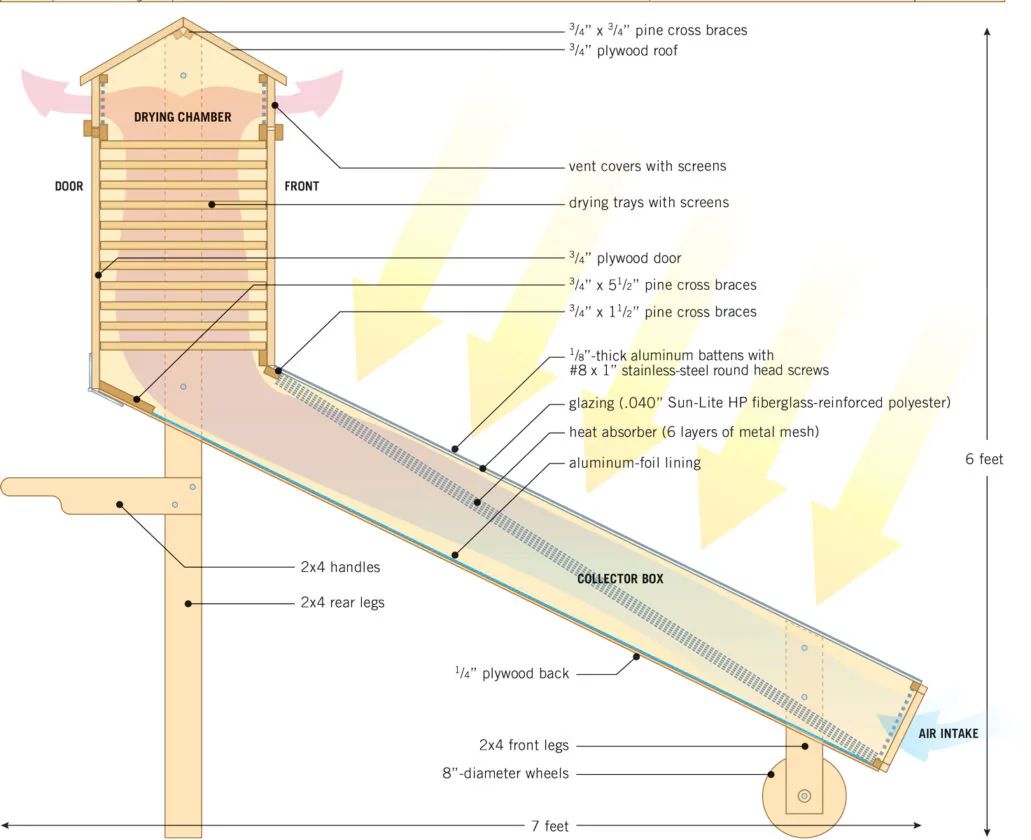
- https://www.motherearthnews.com/diy/solar-food-dehydrator-plans-zm0z14jjzmar/
Pros: this dehydrator has wheels so is easy to move
This person did a lot of research into solar dehydrators and different models and this design is the result of that research
The dryer takes advantage of the natural process of rising hot air to operate efficiently without any electric fans
- https://solar-food-dehydrator.com/#learn
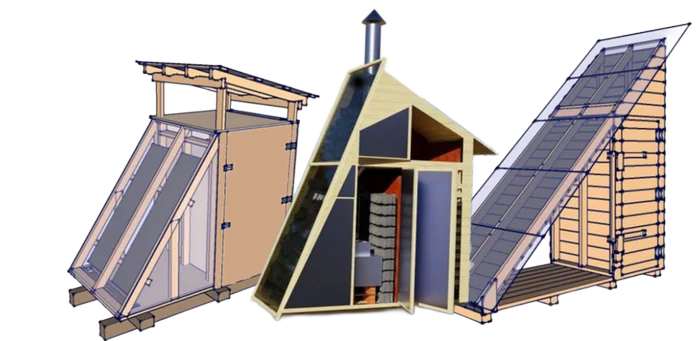
The models from this website are very interesting and well researched: both models have interesting features
- the Wheaton ATC1 food dehydrator model has an extended solar collector, allowing for faster drying
- the Missoula food dehydrator model has an overhang for weather protection & enclosed sides to stabilise temperature fluctuations which could be an interesting choice for Kamp
3
Building a solar dehydrator
Published 1mo. Edited 1moPublished about 1 month ago. Last edit about 1 month ago
We looked at different designs online. A good solar dehydrator does not expose the food directly to sunlight (which could lead to a loss of nutrients) but works by conserving the heat on a dark surface and airflow moving that heat through the food, effectively drying it out. These systems however, require quite big, intricate setups.
More simple diy dehydrators do work with a glass and having the food directly exposed to the sun.
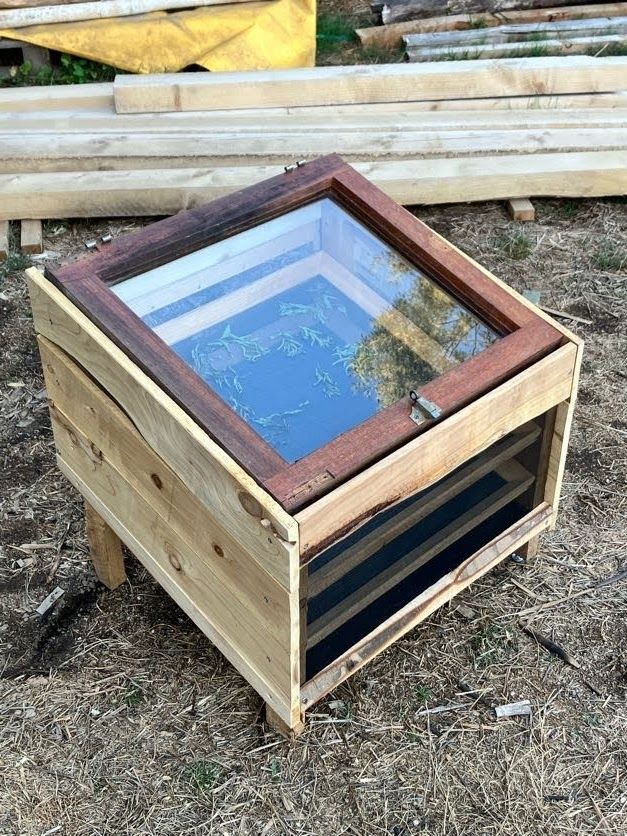
For our first test we decided to make a combination of both; we will work with glass, a dark surface on the bottom of the dehydrator, and creating airflow by having the dehydrator sheets at an angle. We also created a design that will make it easy to take out and put in the food and something that is small enough to move around to find the ideal placement.
Our chosen design is based on the one shown in this video: https://www.youtube.com/watch?v=Cgoyeo25igo&t=217s
The reason we chose this to base our first test-dehydrator on is because it has following features:
- smaller (we don't have a lot of space to put it right now)
- 2 trays
- angle (kind of using the "moving airflow" concept of the more intricate designs)
- top part transparent
- bottom dark (to conserve the heat caught by the sun)
- sides fully closed (for bugs)
- back opens
- trays we can slide out to put the food
%20--%3e%3csvg%20version='1.1'%20id='Layer_1'%20xmlns='http://www.w3.org/2000/svg'%20xmlns:xlink='http://www.w3.org/1999/xlink'%20x='0px'%20y='0px'%20viewBox='0%200%2064%2063'%20style='enable-background:new%200%200%2064%2063;'%20xml:space='preserve'%3e%3cstyle%20type='text/css'%3e%20.st0{fill:%2320B7EB;}%20.st1{fill:%23E9475A;}%20.st2{fill:%23FECE4E;}%20%3c/style%3e%3cdesc%3eCreated%20with%20Sketch.%3c/desc%3e%3cg%20id='Page-1'%3e%3cg%20id='OA-Logo-Black-Background'%3e%3cpath%20id='Shape'%20class='st0'%20d='M14.1,30.1c-1.5-0.8-8.6-3.8-14.1-7.8c1.8-3.4,3.1-5.6,5-9.1c2.7,1.1,1.9,0.5,4.6,1.7%20c0.8,0.4,10.1,4.5,13.8,6.2c2.4,1.1,4.7,2.2,7,3.3L43,30.5l8.1,3.9c4,2,7.2,3.5,11.3,5.5c0.5,0.3-3.7,9.4-3.7,9.4%20c-1.7-0.6-3.9-1.8-5.5-2.5c-4.7-2.1-9-3.9-13.7-6c-4-1.8-6.7-2.9-10.8-4.5C25,34.9,17.1,31.6,14.1,30.1z'/%3e%3cpath%20id='Shape_1_'%20class='st1'%20d='M12.1,54.9c-0.8,0.6-1.6,1.2-2.5,1.6c-0.4-0.5-0.9-1-1.3-1.5c-0.3-1.2-2.3-4.9-2.7-6.2%20c-0.1-0.4-0.7-2.2-0.8-2.6c0,0,5-3.4,8.2-5.9c3.2-2.6,6.2-5,9.3-7.5c1.4-1.1,3.9-2.5,5.3-3.5c2.5-1.7,13-9.1,15.6-10.5%20c5.4-3.3,11.1-6.3,16.8-9c1.7,3.5,1.8,3,3.8,6.9c0,0-17.8,13.5-22.7,17.1c-3.8,2.8-7.5,5.7-11.3,8.5c-1.7,1.3-3.5,2.4-5.2,3.7'/%3e%3cpath%20id='Shape_2_'%20class='st2'%20d='M20.8,2.9l-0.2-0.8C25,0,31.2-0.3,31.4,0.2c0.4,1.1,0.9,2.2,1.2,3.4c1.4,4.4,2.7,8.7,4,13.1%20c0.4,1.4,2.8,10,2.9,10.5c0.5,2.8,1.2,5.6,1.6,8.4c0.8,4.7,1.4,8.6,2.3,13.3c0.6,3.1,1.3,6.3,2.3,11.3c0,0-5.8,1.4-7.5,1.8%20c-0.8,0.2-1.5,0.4-2.4,0.6c-0.3-1.1-0.2-1.2-0.5-2.1c-0.9-3.7-1.8-7.3-2.6-11c-1.5-6.4-3-12.9-4.4-19.3%20c-1.2-5.4-2.6-10.7-4.4-15.9c-1-3.1-1.8-6.3-2.7-9.5C21.1,3.8,21,3.8,20.8,2.9z'/%3e%3c/g%3e%3c/g%3e%3c/svg%3e)